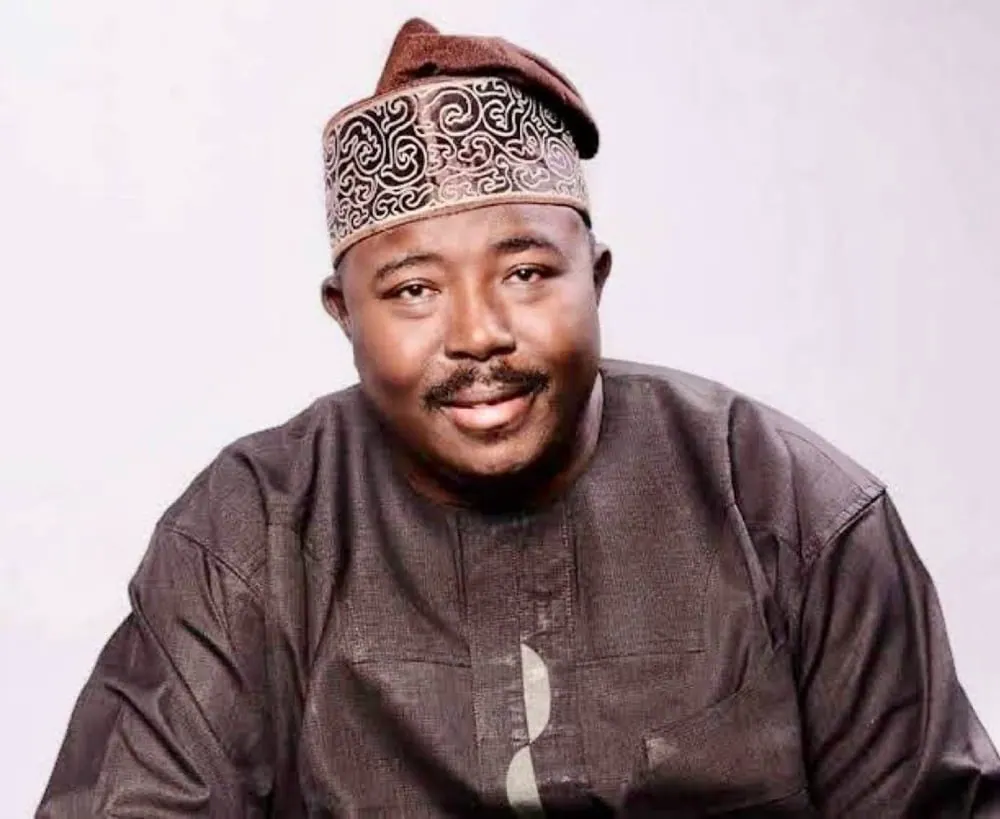
The Senator Sharafadeen Alli Campaign Organisation has criticized Oyo State Governor Seyi Makinde for blaming poor electricity supply for the continued use of diesel-powered generators to operate streetlights in the state. The campaign organisation described Makinde's explanation as "disingenuous" and a sign of leadership failure. According to the organisation, Makinde has no excuse for his incompetence and glaring failure, given that Oyo State has the legal and regulatory authority to attract investors, license electricity projects, and develop sustainable power solutions tailored to its needs.
The Electricity Act 2023, signed into law by President Bola Tinubu, empowered states to generate, transmit, and distribute electricity to meet their energy needs. Oyo State, like 16 others, has ceased the opportunity created by the law and now possesses the legal and regulatory authority to attract investors, license electricity projects, and develop sustainable power solutions tailored to its needs. The Alli Campaign Council stated that Makinde's administration has failed to utilize this opportunity effectively.
The organisation alleged that the state government's 11-megawatt Independent Power Project (IPP), awarded to Elektron Energy at a cost of ₦8.5 billion, failed to deliver electricity. The project was terminated late last year after billions of naira had been spent, describing it as a "white elephant" and "poorly planned." The campaign council compared Oyo's electricity project with projects in other states, citing Abia, Akwa Ibom, and Ekiti as examples of successful power projects.
The Alli Campaign Organisation questioned why the Oyo project had not provided electricity for critical public infrastructure, including streetlights, the government secretariat in Agodi, and health facilities, as promised. The organisation further alleged that the diesel-powered streetlights had stopped functioning on some major roads and criticized the cost of fueling and maintaining the generators. The campaign council also criticized Makinde for attributing the streetlight problem to inadequate electricity supply, noting that Makinde is an electrical engineer.
The organisation proposed a state electricity strategy involving solar-powered streetlights, embedded generation, renewable energy, independent distribution networks, and private-sector investment. This strategy would be the focus of Sharafadeen Alli when he becomes the governor of Oyo State next year. The organisation stated that what the people do not need is a government that spends heavily on publicity-driven projects and later manufactures excuses when such projects turn out to be a fiasco.
The campaign council also criticized Makinde for his current activities, stating that he is "junketing all over the country in search of elusive national network for his unrealizable presidential aspiration." The organisation emphasized that even the diesel-guzzling streetlights are no longer working, leaving many major roads dark at night. The cost of fueling and maintaining the generators is also prohibitively inflated, and the generators are being replaced every six months in a deal that is at best a job for the boys.
The Alli Campaign Organisation emphasized that Makinde cannot continue blaming external forces for problems that fall within the authority and capacity of his administration to address. The organisation stated that after more than seven years in office, Makinde should take responsibility for his administration's failures rather than manufacturing excuses. The organisation's statement was made by Bisi Oladele, Director of Media and Publicity of the Alli Campaign Council.
Key points
- The Senator Sharafadeen Alli Campaign Organisation has criticized Oyo State Governor Seyi Makinde for blaming poor electricity supply for the continued use of diesel-powered generators to operate streetlights in the state.
- The organisation alleged that the state government's 11-megawatt Independent Power Project (IPP) failed to deliver electricity despite ₦8.5 billion being spent on it.
- The organisation proposed a state electricity strategy involving solar-powered streetlights, embedded generation, renewable energy, independent distribution networks, and private-sector investment.