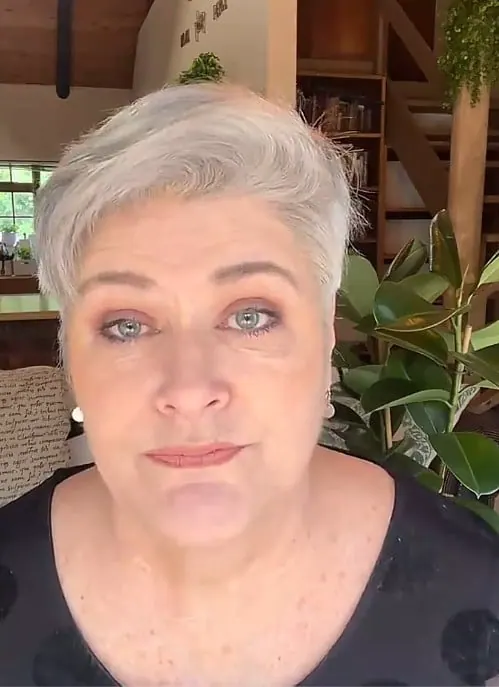
Alison Botha, a well-known figure in South Africa, has spoken out about the emotional toll of being under constant scrutiny. In a recent statement, she expressed her frustration and exhaustion with constantly looking over her shoulder. Her comments have sparked a national conversation about the impact of continuous scrutiny on individuals, particularly public figures. Many have expressed empathy and understanding for Botha's situation, acknowledging the challenges that come with being in the public eye.
Botha's statement has resonated with many South Africans who have experienced similar feelings of being under constant scrutiny. Her words have highlighted the need for greater empathy and understanding towards individuals who are subjected to intense media attention and public scrutiny. The issue has also raised questions about the role of the media in South Africa and the impact of their reporting on individuals and communities.
The conversation sparked by Botha's statement has also touched on the topic of mental health and the importance of prioritizing well-being in the face of adversity. Many have called for greater support and resources to be made available to individuals who are struggling with the emotional toll of being in the public eye. The issue has also highlighted the need for a more nuanced and compassionate approach to reporting on public figures.
Botha's comments have been met with an outpouring of support from across the country, with many expressing solidarity with her experiences. Her statement has also sparked a wider conversation about the impact of social media on individuals and communities, with many calling for greater accountability and responsibility in online discourse.
The issue has also raised questions about the role of the media in shaping public discourse and the impact of their reporting on individuals and communities. Many have called for a more balanced and nuanced approach to reporting, one that prioritizes empathy and understanding over sensationalism and scrutiny.
Botha's statement has highlighted the need for greater awareness and understanding about the impact of continuous scrutiny on individuals. Her comments have sparked a national conversation about the importance of prioritizing well-being and mental health in the face of adversity. The issue has also raised questions about the role of the media in South Africa and the impact of their reporting on individuals and communities.
The conversation sparked by Botha's statement is expected to continue, with many calling for greater empathy and understanding towards individuals who are subjected to intense media attention and public scrutiny. The issue has highlighted the need for a more nuanced and compassionate approach to reporting on public figures, and the importance of prioritizing well-being and mental health in the face of adversity.
Key points
- Alison Botha speaks out against continuous scrutiny, highlighting the emotional toll it takes on individuals.