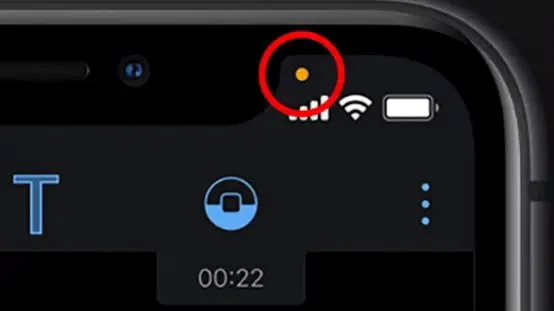
Many smartphone users have experienced receiving targeted advertisements for products they have discussed in person, without conducting any online searches for those products. This phenomenon has led to widespread speculation that large tech companies are constantly monitoring smartphone microphones. However, recent technological and security research suggests that this notion is unfounded. Continuous audio monitoring would pose significant logistical challenges, including excessive battery consumption and high data processing costs.
Researchers at Northeastern University examined over 17,000 popular mobile applications and found no evidence of hidden audio recordings being sent to companies. According to the Washington Post, these findings suggest that the technology used for targeted advertising is more complex and sophisticated than simple audio monitoring. The methods employed by global advertising companies rely on predictive modeling and matching behavioral data, enabling software systems to accurately predict users' future needs without requiring microphone access.
These mechanisms include geofencing, which uses location-determining technologies and Wi-Fi signals to track individuals within a specific area. When someone searches for a product, algorithms assume that those around them may also be interested, and the advertisement appears on their phones immediately. Data traders actively collect millions of digital points about users' daily behavior, including browsing speed and time spent on posts, to build comprehensive predictive profiles.
Artificial neural networks use retrained models based on the behavior of millions of people to predict what a user is thinking about, based on subtle changes in their usage patterns. To limit the predictive capabilities of algorithms, cybersecurity experts recommend reviewing privacy permissions, starting with disabling activity tracking across applications and restricting location access to specific periods of application use.
Additionally, experts suggest withdrawing microphone and camera permissions from unnecessary applications. By taking these steps, users can regain some control over their digital data and limit the effectiveness of targeted advertising. The widespread use of smartphones and the increasing sophistication of advertising technologies have raised concerns about user data protection and the need for greater transparency in data collection practices.
The Moroccan and global online communities have expressed concerns about the implications of these technologies on individual privacy and the potential for exploitation. As a result, there is a growing demand for regulatory measures to ensure that tech companies prioritize user data protection and transparency in their data collection and advertising practices.
In conclusion, while algorithms' predictive capabilities and targeted advertising have become increasingly sophisticated, users can take steps to protect their digital data and limit the effectiveness of these technologies. By understanding how these mechanisms work and taking control of their privacy permissions, users can mitigate the impact of targeted advertising on their online experiences.
Key points
- Algorithms' predictive capabilities rely on complex technologies, including predictive modeling and matching behavioral data, rather than simple audio monitoring.
- Users can limit the predictive capabilities of algorithms by reviewing and adjusting their privacy permissions.
- The use of targeted advertising has raised concerns about user data protection and the need for greater transparency in data collection practices.