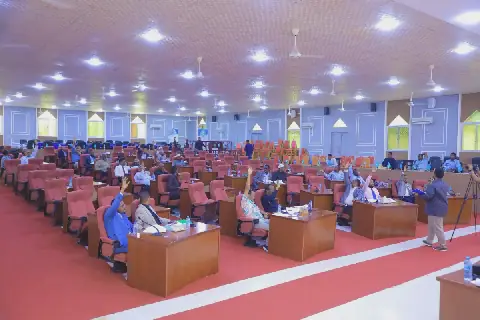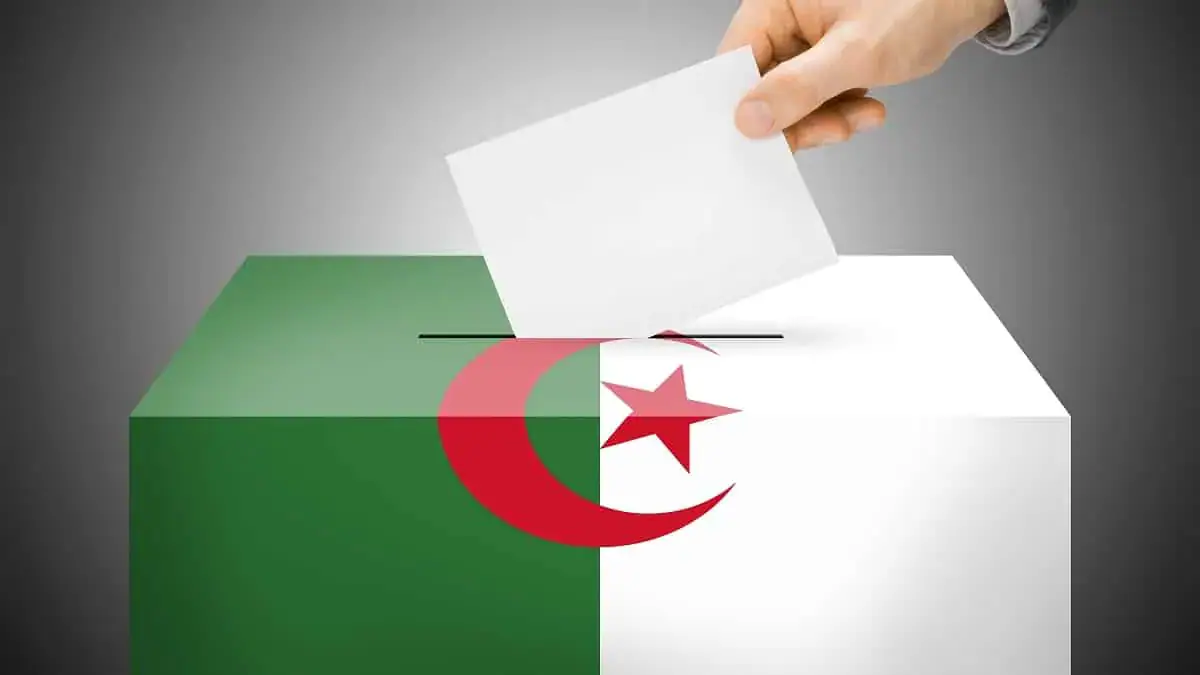
Algerians began voting on Saturday, November 28, to elect representatives in the Assemblées populaires communales (APCs) and Assemblées populaires de wilaya (APWs) in local elections. The Autorité nationale indépendante des élections (Anie) reported that voting started at 08h00 with the opening of polling stations. An estimated 24 million Algerians are eligible to cast their ballots. The elections aim to determine the composition of local governing bodies.
The Anie announced that it would release preliminary voter turnout rates at three intervals: 13h00, 17h00, and 21h00. These updates will provide insights into the participation levels throughout the day. Algerians will be voting to elect members of the APCs and APWs, which play crucial roles in local governance. The elections have garnered significant attention, with various stakeholders closely monitoring the process.
The local elections hold considerable importance for Algeria's political landscape. The elected representatives will be responsible for addressing local issues, implementing development projects, and providing essential services to their constituents. The voting process is expected to be closely watched, both domestically and internationally, as it reflects the country's commitment to democratic processes.
In the lead-up to the elections, the Algerian government and various organizations made efforts to encourage voter participation and ensure the integrity of the electoral process. The Anie played a pivotal role in organizing the elections, while the government sought to address concerns and promote transparency. These efforts aimed to build trust in the electoral process and foster a sense of civic engagement.
The elections come at a time when Algeria is navigating various challenges, including economic and social issues. The outcome of the local elections may have implications for the country's future development and its relations with neighboring countries. As the voting progresses, stakeholders will be closely monitoring the situation to assess the impact of the elections on Algeria's political and social landscape.
The Algerian media and various news outlets provided extensive coverage of the elections, highlighting the significance of the event and the issues at stake. Rafik Tadjer, a journalist, reported on the elections, providing updates and insights into the voting process. The coverage helped to keep the public informed and engaged, while also underscoring the importance of the elections.
As the polls closed and votes were counted, the Algerian people awaited the results, which would determine the composition of their local governing bodies. The elections marked a crucial moment in Algeria's democratic journey, with the outcome expected to have a lasting impact on the country's development and its people's lives.
Key points
- 24 million Algerians were eligible to vote in the local elections.
Reporting sources
- EN DIRECT. Élections locales : suivez le déroulement du scrutin · tsa-algerie.com