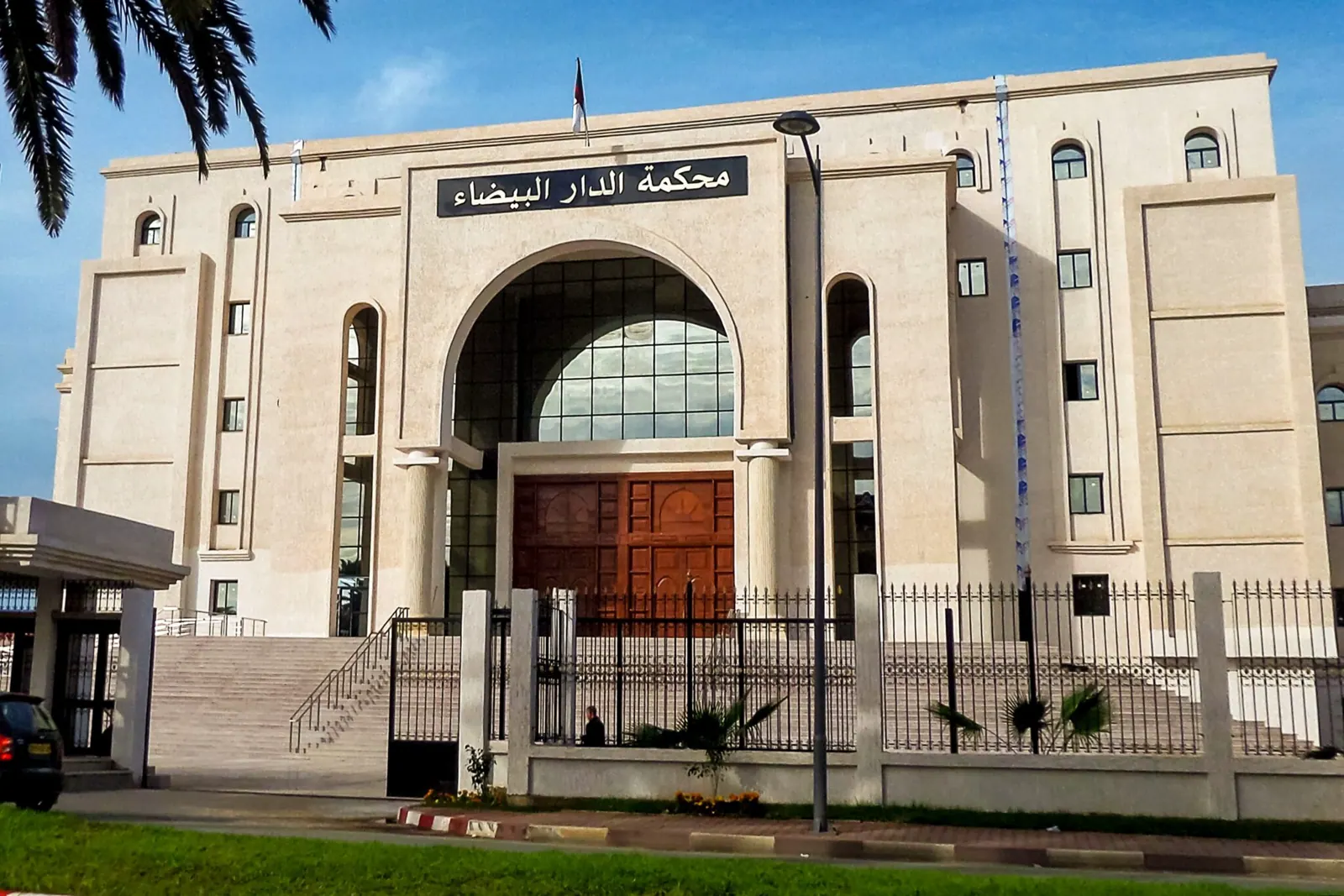
A young Algerian woman with a master's degree in law from the University of Algiers appeared before the Dar El Beïda correctional court, charged with aggression with a white weapon. The victim in this unusual case was her own father, A. Abdelmadjid, who surprisingly appeared in court to disculpate his daughter and publicly grant her his pardon.
According to the court proceedings, the incident began as a marital dispute between the complainant and his ex-wife, the girl's mother. The altercation turned physical, prompting the daughter, A. N., to intervene with a white weapon, intending to protect her mother. Her father, feeling wounded and angry, decided to pursue the matter through legal channels, filing a complaint against his daughter.
The case took a five-year journey through the judicial system. In February 2021, the court initially delivered a default judgment against the defendant, who was absent from the proceedings. However, this judgment had little effect until 2026, when the young woman was notified of the decision made against her. She immediately filed an opposition, which led to the reopening of the case.
During the trial, the defendant's lawyer raised a procedural exception, arguing that the public action had expired due to the time elapsed since the incident. The lawyer claimed that his client's opposition allowed the court to declare this prescription, in accordance with the most recent provisions of the code of criminal procedure.
The complainant's testimony further weakened the prosecution. When questioned, the father denied that his daughter had aggressed him, reversing his initial complaint. This change of heart by the victim is not unusual in Algerian courts, where family cases often involve dramatic reversals.
The father explicitly expressed his pardon for his daughter, stating that she had only acted to defend her mother. He downplayed the severity of the incident, attributing it to the context of the marital conflict before the couple's final separation. The court recorded his pardon, and he requested that the case be closed as if nothing had happened.
The prosecution, however, called for the strict application of the law. The public prosecutor emphasized that the victim's pardon does not automatically erase the criminal offense. The court has put the case under deliberation, and the verdict will be rendered within a week, largely depending on the fate of the prescription exception pleaded by the defense.
Key points
- The defendant's lawyer successfully argued for the case's reopening after his client was notified of the judgment against her in 2026.
- The victim, A. Abdelmadjid, publicly pardoned his daughter during the trial, stating she acted to defend her mother.
- The prosecution requested the strict application of the law, despite the victim's pardon.