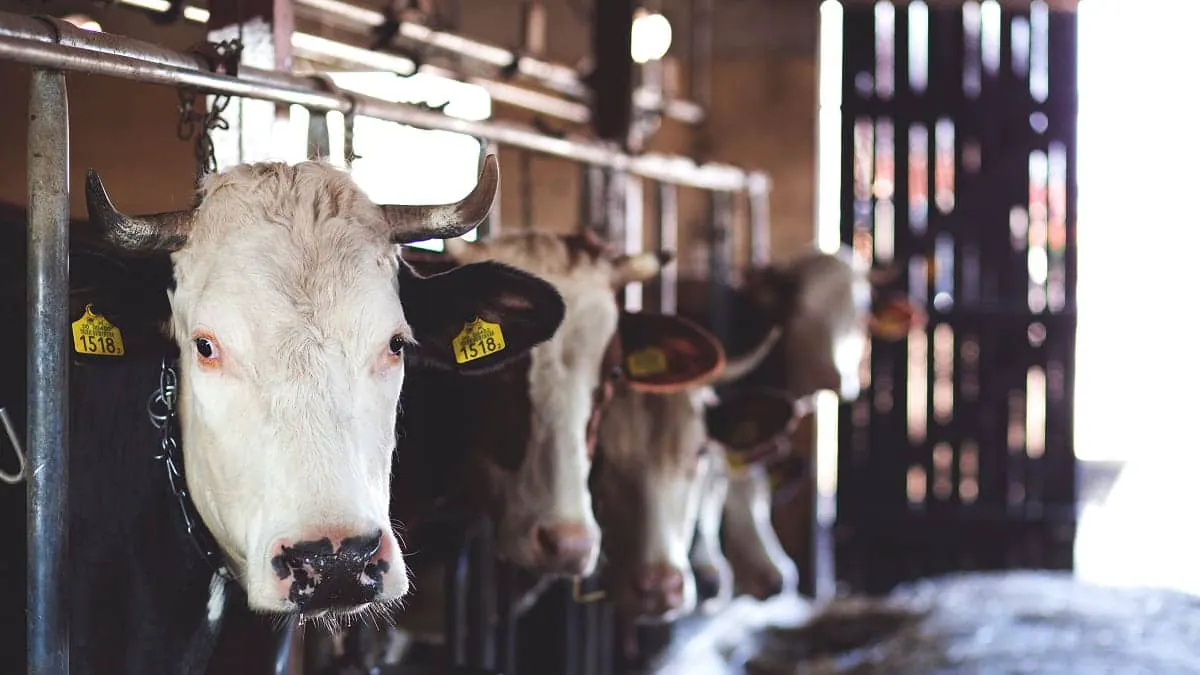
The Algerian government is set to receive the first batch of US cattle for the giant Baladna farm in Adrar, southern Algeria, on November 25. The project, a $3.5 billion investment, aims to produce milk and dairy products. The farm will have a capacity for 270,000 cows and produce 193,000 tons of powdered milk per year. The project is a partnership between the Algerian government and Qatari Baladna.
Virologist Yahia Chebloune, a member of the Algerian Scientific Council abroad, has called for maximum vigilance to prevent the introduction of animal diseases with the imported cattle. He warned that with a large number of cattle, the risk of disease transmission increases, and if not controlled, it could lead to a catastrophe. Chebloune emphasized the need for vaccines that are manufactured and known in Algeria to mitigate the risks.
The Baladna project involves the importation of 30,000 cattle from the United States, with the first batch arriving on November 25. The cattle will be part of a larger herd of 270,000 cows that will be raised on the farm. The project also includes the production of fodder on 219,000 hectares of land and the construction of a powdered milk factory.
Chebloune, a researcher at the University of Grenoble and the French National Institute for Agricultural Research, stressed that the risks associated with the imported cattle are not limited to animal health but also human health, as the milk produced will be consumed by humans. He emphasized the need for 100% certainty that the milk is safe for consumption.
The Algerian government has taken steps to ensure the success of the project, including the construction of infrastructure such as water supply systems, hangars, and roads. A team of workers has been trained to manage the farm and care for the cattle. The project is expected to boost Algeria's dairy industry and reduce its reliance on imports.
Chebloune's warning comes as the Algerian government prepares to receive the first batch of US cattle. The government has a responsibility to ensure that the necessary measures are in place to prevent the introduction of diseases and protect both animal and human health. The project has significant economic and social implications for Algeria, and its success will depend on careful planning and management.
The importation of US cattle for the Baladna farm is a significant development for Algeria's dairy industry. The project has the potential to increase milk production and reduce Algeria's reliance on imports. However, as Chebloune emphasized, it is crucial to prioritize animal and human health to ensure the project's success.
Key points
- Algerian virologist Yahia Chebloune urges vigilance over disease risks with import of 270,000 US cattle for giant Baladna farm.
- The Baladna project is a $3.5 billion investment aimed at producing milk and dairy products in southern Algeria.
- The first batch of US cattle is set to arrive on November 25, with 30,000 cattle imported from the United States.