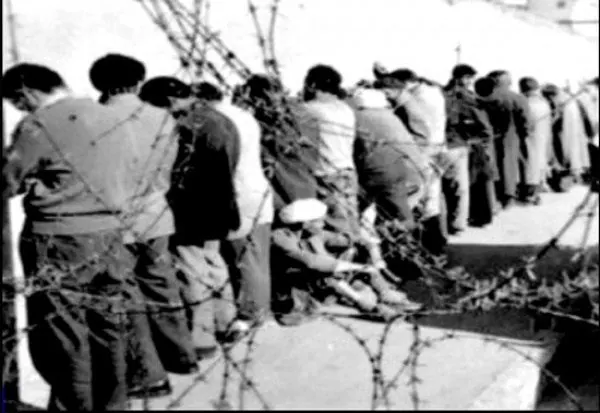
The village of Cap-Aokas in Algeria is remembering the tragic events of May 1945, when the local population rose up against French colonial rule. The insurrection was sparked by a combination of factors, including poverty, famine, and the harsh treatment of Algerians by the colonial authorities. In the months leading up to the uprising, the village had been experiencing severe food shortages, with many residents forced to survive on wild plants and roots. The local cell of the Amis du Manifeste pour la Liberté (AML) party, led by Ferhat Abbas, had been actively organizing and sensitizing the population to their rights.
On May 11, 1945, the villagers of Cap-Aokas joined the wider insurrection, but the French colonial forces responded with brutal force. The reaction of the soldiers and colons was "effroyable," with many prisoners subjected to torture, including immersion in water and being marked with hot irons. Some were even executed, with their bodies thrown into the sea. The repression was led by Maurice Aubertier, a reserve officer and son of a wealthy colon, who showed no mercy to the villagers. His actions were particularly notorious, with reports of him executing two caïds who had refused to sign the condemnation to death of AML members.
The French colonial forces used a range of tactics to quell the uprising, including aerial bombardment and naval gunfire. A cruiser armed with long-range cannons launched explosive shells from the sea, causing widespread destruction and fires. The villagers were also subjected to humiliation, with some forced to dig their own graves before being executed. The repression continued for several days, with many villagers killed or injured. The events of May 1945 were a traumatic experience for the people of Cap-Aokas, and their legacy continues to be felt today.
In the aftermath of the uprising, the French colonial authorities attempted to intimidate the population into submission. On May 21, 1945, the authorities ordered all able-bodied men and women to gather at the beach of Melbou, ostensibly for disarmament. The villagers complied, with many making their way to the beach in processions, including women and children. However, the gathering was also an opportunity for the French to demonstrate their military might, with fighter-bombers and warships deployed to intimidate the crowd.
The demonstration of force had a profound impact on the villagers, with many experiencing traumatic shock. The presence of legionnaires and their mascot, a ram in a French flag jersey, added to the sense of unease. The French general Duval and a retinue of officers and Muslim personalities also attended the gathering, further emphasizing the colonial authorities' determination to maintain control. The events of May 1945 were a turning point in the struggle for Algerian independence.
The massacres of May 1945 were a traumatic experience for the people of Cap-Aokas, and their legacy continues to be felt today. In the years following independence, a memorial was erected on the site of the massacres, and the village has continued to remember and commemorate the events of that fateful period. The story of Cap-Aokas serves as a reminder of the brutal nature of colonialism and the importance of acknowledging and learning from the past.
The impact of the massacres on the village and its people cannot be overstated. Many families were affected, with some losing loved ones or experiencing trauma that has been passed down through generations. The events of May 1945 also had a profound impact on the wider struggle for Algerian independence, highlighting the need for resistance against colonial rule. Today, the village of Cap-Aokas continues to remember and honor the victims of the massacres.
Key points
- The French colonial authorities responded to the 1945 uprising with brutal force, leading to widespread killings and destruction in the village of Cap-Aokas.
- The massacres of May 1945 had a profound impact on the village and its people, with many families affected and a legacy of trauma that continues to be felt today.
- The events of May 1945 were a turning point in the struggle for Algerian independence, highlighting the need for resistance against colonial rule.