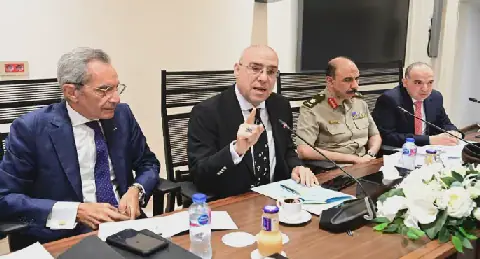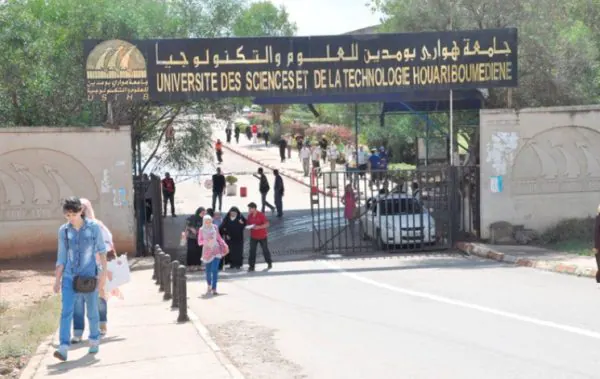
The University of Science and Technology Houari-Boumediene (USTHB) in Algeria recently hosted an international meeting of 16 African universities to discuss climate change challenges. The conference was part of the Clare CO-CAT project, a collaboration with the Association of African Universities (AUA). The event brought together researchers, university administrators, and experts to examine the results of a pilot institutional climate change capacity assessment tool. The goal was to share experiences and strengthen adaptation and resilience to climate change effects.
The meeting's opening ceremony was attended by Pr Azzeddine Chafa, USTHB's vice-rector for External Relations, Cooperation, Animation, Communication, and Scientific Events. He welcomed the initiative, highlighting the university's expertise in climate-related fields such as Earth sciences, environmental studies, and natural resources. Chafa emphasized the importance of cooperation and scientific development in Africa. The USTHB's participation allows for sharing experiences, benefiting from other universities' work, and developing new partnerships.
Mohamed Loucif Seiad, director of international programs at the General Directorate of Scientific Research and Technological Development, stressed the institutional aspect of the project. The goal is to strengthen universities' institutional capacities to address climate change through adaptation, scientific research, and competency development. Algeria is directly affected by climate change, with frequent and intense forest fires in recent years. Seiad emphasized the need for adaptation through scientific research, competency development, and institutional capacity building.
The project has a strong African dimension, allowing for the exchange of experiences and development of tailored responses to each country's realities. Participating institutions can learn from each other's practices and prepare their teachers and researchers to focus on climate issues. The meeting also provides an opportunity for USTHB researchers and doctoral students to present their projects and exchange ideas with African counterparts.
The conference facilitates collaboration and joint projects in climate, agriculture, research, and resilience. The Algerian Ministry of Higher Education and Scientific Research views the event as an opportunity to enhance the country's scientific visibility on the African continent. The meeting enables the sharing of knowledge, expertise, and best practices in addressing climate change.
The USTHB's Faculty of Earth Sciences, Geography, and Territorial Planning has significant expertise in climate-related fields. The university's participation in the project allows for the sharing of this expertise with African partners. The event promotes cooperation and scientific development in Africa, aligning with the AUA's goals.
The project's outcomes will help strengthen the capacities of African universities to address climate change. The exchange of experiences and knowledge will enable participating institutions to develop effective strategies for adaptation and resilience. The conference marks a significant step towards enhancing cooperation and scientific development in Africa.
Key points
- 16 African universities gathered to address climate change challenges
- The conference aimed to strengthen adaptation and resilience to climate change effects
- The project promotes cooperation and scientific development in Africa