The town of Ouadhias, located in the Tizi-Ouzou province of Algeria, is facing a multidimensional crisis. With a population of over 20,000 inhabitants, the town struggles with high unemployment rates, a lack of housing projects, and inadequate infrastructure. The environment is also deteriorating, and several development projects, including an oval-shaped project, are stalled. The local market is yet to be operational, and the town's natural gas network is blocked.
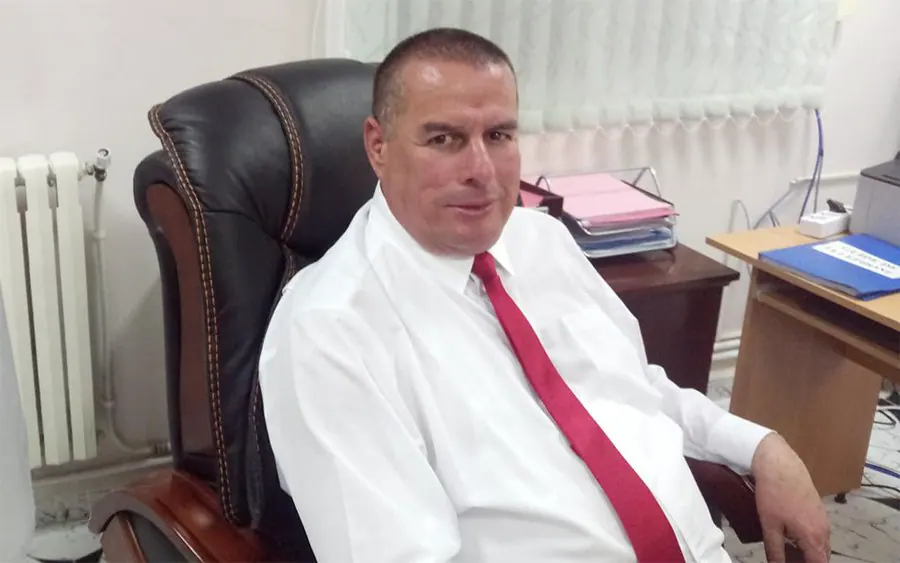
Mayor Youcef Akir attributes the town's woes to insufficient funding. He mentions that the commune received 3.5 billion Algerian dinars from the 2019 PCD (Programme de Développement Communal) funds, which is inadequate for a town of 24,000 inhabitants. The funds were allocated to various projects, including sanitation, road construction, and the extension of the town hall. However, Akir believes that much more is needed to spur development and create jobs.
Akir suggests that the town needs significant investment to create jobs and stimulate economic growth. He proposes that the local government acquire land from private owners and create industrial zones to attract private enterprises and create employment opportunities. The mayor emphasizes that this approach is essential to reducing unemployment and achieving tangible development.
However, Akir criticizes the current PCD system, saying it only addresses minor issues such as sanitation and road maintenance. He argues that the mayor's role should be strengthened, and they should be given more autonomy to make decisions. Akir also highlights the issue of land ownership in Ouadhias, stating that there is a "mafia" controlling the land, making it difficult for the town to develop.
The town's unemployment issue is further complicated by the lack of industrial zones. A proposed industrial zone between Ouadhias and Ait Toudert was cancelled years ago, and the land was returned to its owners, leading to anarchy. Akir notes that the town has approached several walis (provincial governors) for financial assistance to acquire the land, but so far, none have been forthcoming.
Several key infrastructure projects in Ouadhias are stalled or facing challenges. The former COMETAL factory is currently occupied by the army, and the nearby market, although completed, lacks electricity and is not operational. Akir also mentions that the town's villages are not connected to the natural gas network due to opposition from a neighboring commune.
The town's hospital project, which was visited by the Minister of Health, is expected to be completed by the end of the year. The minister's visit was positive, as he responded to the town's concerns, including the establishment of a hemodialysis service and the expansion of the hospital. The town is hopeful that the hospital will be operational by the end of the year, providing much-needed healthcare services to its residents.
Key points
- Insufficient funding hinders development in Ouadhias
- Land ownership issues and lack of industrial zones exacerbate unemployment
- Several key infrastructure projects in Ouadhias face challenges or are stalled