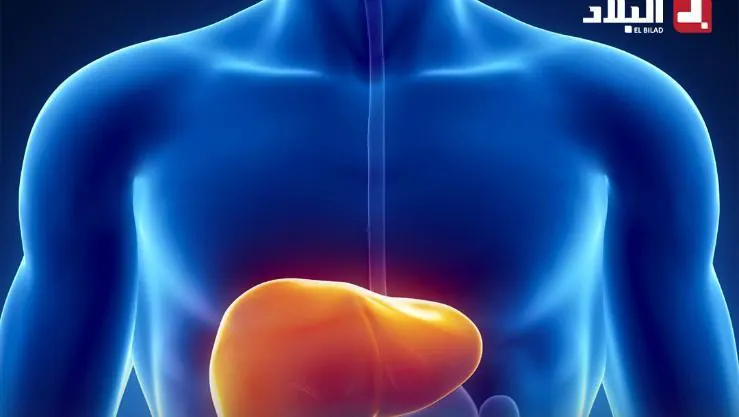
A recent study has found that tea consumption may have a positive impact on liver health. The research, which analyzed the tea-drinking habits of over 20,000 people, revealed that those who consumed higher amounts of tea, particularly black tea, were less likely to develop fatty liver disease. This condition occurs when excess fat builds up in the liver.
The study, conducted in 2024, focused on the effects of green tea, black tea, and herbal tea on liver health. These types of tea are rich in antioxidants, which help protect cells from damage caused by environmental factors and normal metabolic processes in the body. According to a report by Health, antioxidants are found in many plant-based foods and can help shield cells from harm.
Another study published in 2015 found a link between green tea consumption and a reduced risk of various liver diseases. However, the scientific evidence is still insufficient to conclude that drinking tea can prevent or treat liver diseases. Further research is needed to fully understand the relationship between tea consumption and liver health.
While the studies suggest a potential benefit of tea consumption for liver health, it is unclear how many cups of tea should be consumed daily to achieve this effect. Most studies have focused on the typical tea-drinking habits of participants rather than testing the impact of a specific number of cups per day.
A balanced diet and healthy lifestyle remain the most critical factors in maintaining liver health and overall well-being. Eating a diet rich in whole foods, such as whole grains, legumes, nuts, seeds, fruits, and vegetables, and lean protein sources can provide essential nutrients for liver health. Regular physical activity also plays a significant role in supporting liver function.
However, there are some considerations to keep in mind when consuming tea. Green and black tea naturally contain caffeine, which can cause side effects like anxiety, insomnia, and headaches in some individuals. Additionally, some tea products may contain added sugar, which can increase the risk of fatty liver disease. It is recommended to choose unsweetened tea to support liver health.
When selecting tea to support liver health, it is essential to consider a few factors. Be cautious of herbal tea blends, which may interact with medications or contain unknown ingredients. Check the nutritional label to ensure the tea is unsweetened, and be mindful of caffeine content, particularly if you are sensitive to it. Proper storage of tea is also crucial to preserve its flavor, aroma, and beneficial compounds.
Key points
- Tea consumption, particularly black tea, may be associated with a reduced risk of fatty liver disease.
- A balanced diet and healthy lifestyle are essential for maintaining liver health and overall well-being.
- When choosing tea to support liver health, consider factors such as caffeine content, added sugar, and herbal blends.