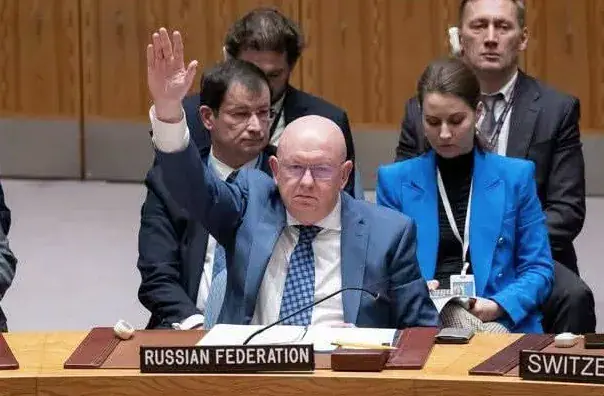
A recent debate at the UN Security Council has highlighted the deep-seated differences between Algeria, Morocco, and Russia regarding the future of Western Sahara. The discussion centered on the defense of the decolonization process, the future of the MINURSO mission, and the instrumentalization of humanitarian issues. Algerian Representative Amar Bendjama emphasized the importance of respecting international law, relevant UN resolutions, and the principle of self-determination for the Sahrawi people.
The Moroccan representative's response was deemed contestable by many, as it sought to predetermine the outcome of a political solution. This approach has raised concerns about the legitimacy of the negotiation process. Bendjama's intervention highlighted several key points, including the role of the penholder in drafting resolution projects, the right to self-determination, and the need for a mutually acceptable political solution. These elements are fundamental to the principles that should guide UN action in decolonization matters.
A key issue at the heart of the debate is the right of the Sahrawi people to freely determine their future without external pressure or manipulation. The Algerian position emphasizes the need to respect international law and the principle of self-determination. In contrast, the Moroccan proposal for autonomy has been presented as the exclusive framework for a political settlement, which Algeria sees as an attempt to impose a predetermined outcome.
The Moroccan representative's response to Algeria's intervention was criticized for its tone and content. The accusations leveled against Algeria regarding the treatment of Sahrawi refugees and the census of these populations were deemed unfounded and lacking in evidence. The debate has highlighted the need for a serious and independent examination of humanitarian conditions in refugee camps, rather than the use of polemics and accusations.
The issue of the MINURSO mission's mandate has also been a point of contention. The mission was established in 1991 to enable the Sahrawi people to determine their future through a referendum. The Russian proposal for a technical extension of the mandate aims to preserve the continuity of the mission without prejudging the political outcome of the dossier. This approach has raised questions about how to maintain the UN mission and its legal framework without implicitly redefining the initial objective of the process.
The Western Sahara issue remains a complex and contentious problem, with deep-seated differences between the parties involved. The debate at the UN Security Council has highlighted the need for a negotiated solution that respects the principles of international law and the right to self-determination. The role of the MINURSO mission and the future of the Sahrawi people remain uncertain, as the international community continues to grapple with this long-standing issue.
The controversy surrounding Western Sahara has far-reaching implications for the international community. The issue has sparked a diplomatic confrontation between Algeria and Morocco, with Russia also playing a significant role in the debate. As the international community continues to engage with this complex issue, it remains to be seen how the competing interests and principles will be reconciled.
Key points
- The debate at the UN Security Council highlighted the deep-seated differences between Algeria, Morocco, and Russia regarding the future of Western Sahara.
- The Algerian representative emphasized the importance of respecting international law and the principle of self-determination for the Sahrawi people.
- The Moroccan representative's response was deemed contestable by many, as it sought to predetermine the outcome of a political solution.