The Algerian presidential election, scheduled for July 4, is facing significant uncertainty just a week before the deadline for submitting candidatures. The pre-electoral atmosphere is marked by widespread rejection, with the population, mayors, and magistrates expressing their opposition to the election. As of now, 68 candidates have withdrawn the necessary forms to submit their candidatures to the Constitutional Council.
On May 16, the Prime Minister, Noureddine Bedoui, met with President Abdelkader Bensalah to discuss the preparations for the election. Bedoui presented a comprehensive report on the election preparations, including the revision of electoral lists, the distribution of candidacy forms, and the logistical arrangements made by the government. The President emphasized the importance of respecting the constitutional deadlines and ensuring the transparency and regularity of the election.
To be eligible, candidates must submit a complete dossier, including either 600 endorsements from elected officials from at least 25 provinces or 60,000 signatures from voters distributed across 25 provinces. The minimum number of signatures required per province is 1,500. However, it remains to be seen whether the candidates can meet these requirements, particularly in light of the widespread rejection of the election.
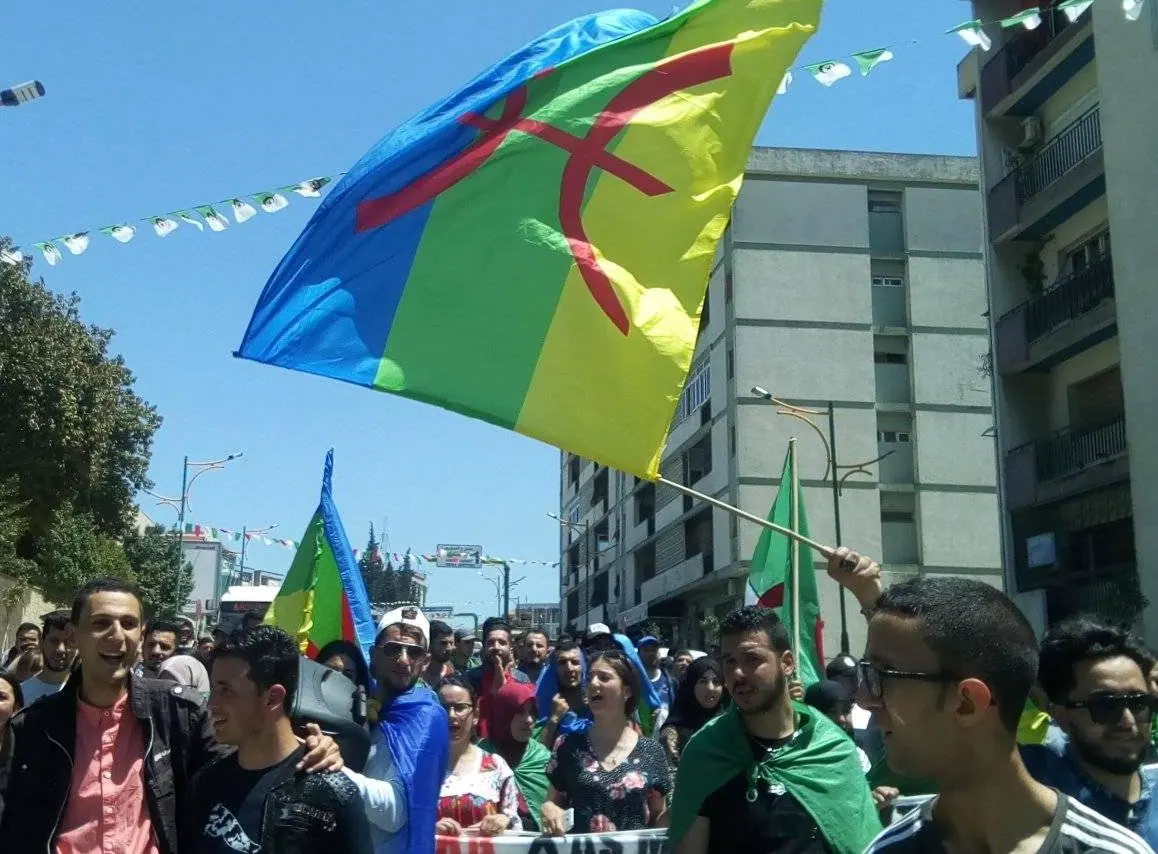
The rejection of the election by the population is a significant challenge for potential candidates. The mass protests that began on February 22 have continued, and the succession of events in the country's high spheres has made it difficult for parties to present a candidate. Only one party, El Moustakbal, has publicly expressed its intention to participate in the election.
The major parties, including the FLN, RND, HMS, TAJ, and MPA, have not yet expressed their intention to participate in the election. These parties have a significant number of elected officials, but it is unclear whether they will present a candidate or not. The deadline for submitting candidatures is May 20, and it remains to be seen whether any of these parties will change their stance.
President Bensalah has called for dialogue, and it is unclear whether he can persuade the parties to participate in the election. He has also emphasized the importance of maintaining open channels of consultation and dialogue with all concerned parties. However, the boycott by mayors, officials, and magistrates who have expressed their refusal to organize, supervise, or facilitate the election is a significant challenge.
The uncertainty surrounding the election has raised questions about its feasibility. With widespread rejection and boycotts, it remains to be seen whether the election can be held on July 4. The government and the President will need to address these challenges and ensure that the election is held in a transparent and regular manner.
Key points
- The Algerian presidential election faces significant uncertainty amid widespread rejection and boycotts.
- The deadline for submitting candidatures is May 20, and it remains to be seen whether any major parties will participate.
- The boycott by mayors, officials, and magistrates is a significant challenge to the election's feasibility.