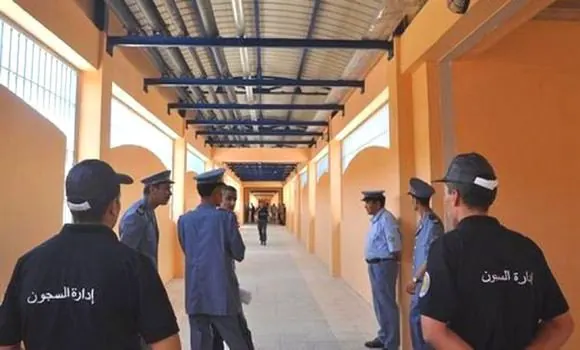
On Wednesday, April 1, Algerian President Abdelmadjid Tebboune signed a presidential decree granting clemency to 5037 inmates, according to a statement from the Presidency of the Republic. The decree aims to reduce the prison population and alleviate the burden on the country's correctional facilities. This move is seen as a humanitarian gesture, particularly in light of the COVID-19 pandemic that has been affecting the country.
The clemency measures apply to inmates who have been sentenced to 12 months or less, as well as those with 18 months or less remaining on their sentences. Additionally, inmates with sentences exceeding 18 months but not more than 20 years will have their sentences reduced by 18 months. Inmates aged 60 or older will be eligible for a reduction of 24 months. These measures aim to provide relief to low-risk offenders and those who have demonstrated good behavior.
However, the clemency measures exclude individuals convicted of serious crimes, including terrorism, treason, espionage, and massacre. Inmates convicted of crimes such as drug trafficking, murder, and corruption will not be eligible for clemency. Furthermore, those convicted by military courts or accused of crimes against minors, including sexual assault, will also be excluded from the clemency program.
According to the Presidency, the decree is part of the government's efforts to address the humanitarian situation in prisons and ensure the protection of inmates from the COVID-19 pandemic. The move is also seen as a way to decongest prisons and reduce the risk of transmission among inmates and prison staff.
The Algerian government has been taking measures to mitigate the impact of the pandemic on the country's population, including the implementation of a nationwide lockdown and restrictions on movement. The clemency program is part of these efforts, aimed at reducing the strain on the country's healthcare system and protecting vulnerable populations.
Human rights organizations have welcomed the move, citing concerns about prison overcrowding and the risk of COVID-19 transmission in prisons. However, some have also raised concerns about the exclusion of certain categories of inmates, including those convicted of terrorism-related offenses.
The clemency program is expected to have a significant impact on the country's prison population, with over 5000 inmates set to be released or have their sentences reduced. The move is seen as a positive step towards addressing the humanitarian situation in prisons and promoting rehabilitation and reintegration of inmates into society.
Key points
- Algerian President Abdelmadjid Tebboune grants clemency to 5037 inmates amid COVID-19 pandemic
- Clemency measures exclude individuals convicted of serious crimes, including terrorism and corruption
- Move aims to decongest prisons and reduce risk of COVID-19 transmission among inmates and prison staff