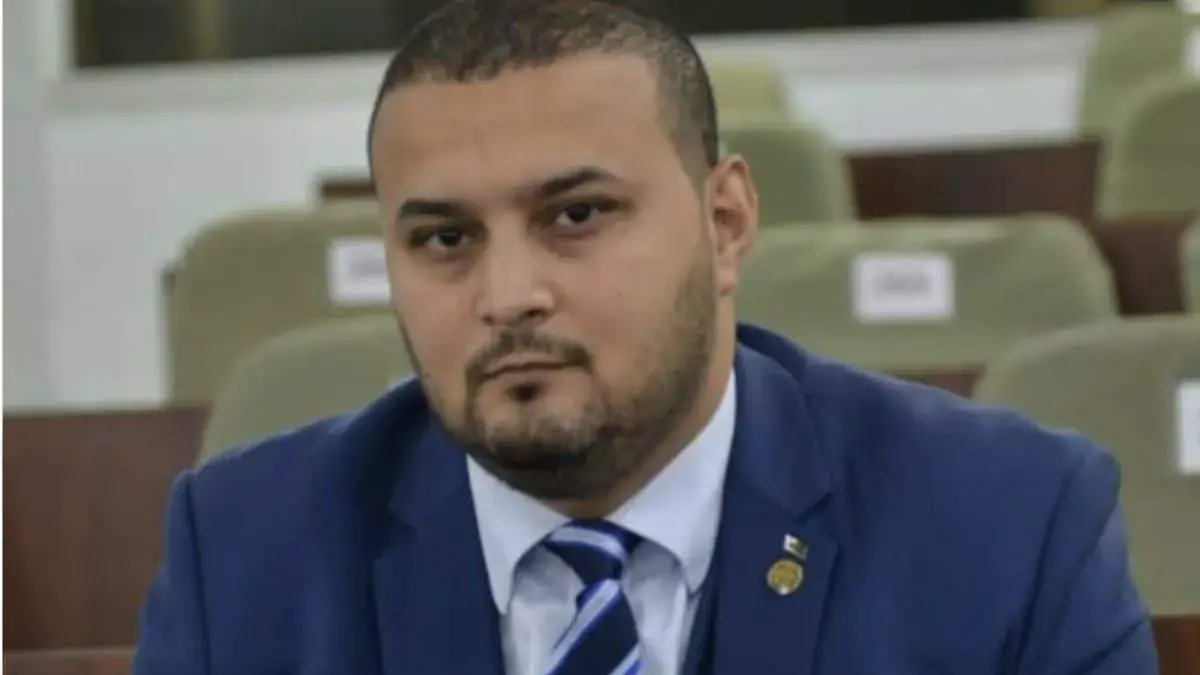
The debate on reforming Algeria's subsidy policy has resurfaced in the country's parliament. Deputy Fares Rahmani of the Front El Moustakbel party, representing the Algerian community in North Europe, has proposed that subsidies be directed towards vulnerable classes of society. He argues that it is unfair for everyone to benefit from subsidies, especially when some individuals have a high purchasing power. Rahmani suggests that lawmakers, who receive good salaries, should not benefit from subsidies and should pay a higher price for bread.
Rahmani's proposal involves adjusting the price of bread to reflect the individual's income level. He suggests that lawmakers and high-income earners should pay around 40 or 50 dinars for a loaf of bread, rather than the current 10 dinars. This move aims to preserve public funds and ensure that subsidies are targeted towards those who need them most. Rahmani cites the example of citizens with three or four children who earn a monthly salary of 20,000 dinars, arguing that they are more deserving of subsidies than high-income earners.
The proposed 2027 finance bill allocates 2.414,15 billion dinars, approximately 18 billion dollars, for subsidies. The bill prioritizes preserving citizens' purchasing power and improving their living conditions through social transfers. A significant portion of the budget, 717,7 billion dinars, is dedicated to supporting and stabilizing prices of essential consumer products. This move reflects the government's efforts to address the issue of subsidy reform, which has been debated by economists and politicians for several years.
The Algerian government has long justified maintaining universal subsidies due to the lack of reliable data on household incomes. However, the 2022 finance law provided for the implementation of targeted subsidies through a monetary compensation mechanism for households. The rollout of this system was later postponed. President Abdelmadjid Tebboune has emphasized the importance of protecting the social policy of the state and ensuring that no one is unfairly deprived of their rights.
The state currently subsidizes prices of several food products, including bread, oil, sugar, and coffee. Rahmani's proposal is part of a broader discussion on reforming the subsidy policy to make it more targeted and efficient. The debate highlights the challenges of balancing the need to protect low-income families with the need to preserve public funds and promote economic growth.
Economists and politicians have been discussing the need for subsidy reform in Algeria for several years. The government's efforts to address this issue reflect its commitment to improving the living conditions of citizens and promoting economic growth. The proposed changes to the subsidy policy are expected to have a significant impact on the lives of Algerian citizens, particularly low-income families.
The Algerian government's efforts to reform the subsidy policy are ongoing. The implementation of targeted subsidies is expected to improve the efficiency of the subsidy system and ensure that those who need it most receive support. The government's commitment to protecting the social policy of the state and promoting economic growth is reflected in its efforts to address the challenges of subsidy reform.
Key points
- Deputy Fares Rahmani proposes targeting subsidies for low-income families and adjusting bread prices based on income level.