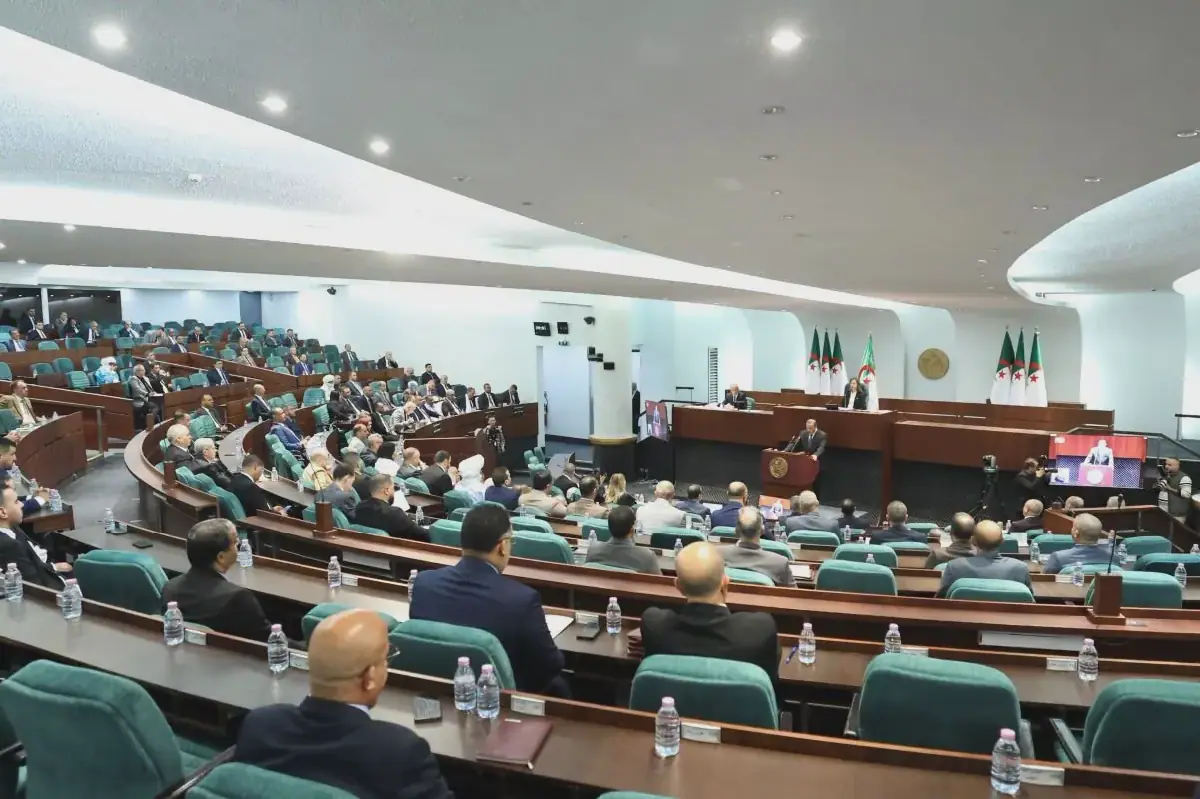
Algeria's National People's Assembly (APN) finance and budget committee has proposed several amendments to the 2027 finance bill, according to a preliminary report presented on November 2, 2026. The committee, led by rapporteur Boutchicha Djemai, suggested changes to 15 articles and the introduction of 6 new articles. These amendments aim to improve the bill's clarity and effectiveness. The proposals were presented during a plenary session chaired by APN President Khalida Boufedeche.
The committee's amendments focus on two main areas: form and substance. The first area involves linguistic corrections to 5 articles to ensure precision and clarity. The second area concerns 15 articles and includes the proposal to modify Article 218. This article currently allows concerned parties to adjust fuel prices, but the committee suggests that any price revisions require parliamentary approval. This change aims to promote transparency and protect citizens' purchasing power.
The proposed modification to Article 218 is justified by the need to uphold the social character of the state and align with Algeria's national constants. The committee believes that involving people's representatives in fuel price adjustments is essential. The current Article 218 allows for targeted and regulated price adjustments to ensure the financial stability of the refining and distribution sectors.
The committee also proposed introducing new articles, including Article 169 bis. This article would allow Algerian citizens living abroad for at least three years to import equipment and materials related to their economic or professional activities without being subject to foreign trade and exchange controls or customs duties. Another proposed article, Article 227 bis, would extend the deadline for construction compliance and completion until December 31, 2027.
The committee emphasized the importance of continuing efforts to diversify the national economy and enhance its resilience to international economic fluctuations. They stressed the need for realistic financial and budgetary forecasts, considering that some budget resources are linked to hydrocarbon market developments. The committee also highlighted the importance of improving public resource mobilization, particularly non-oil revenue.
To achieve these goals, the committee suggested improving tax collection, broadening the tax base, and combating tax evasion and fraud. They also recommended rationalizing public spending and allocating budget credits based on defined priorities to enhance public expenditure efficiency. These efforts should be balanced with the need to preserve the state's financial equilibrium and finance development programs.
The committee's proposals aim to support the viability of public finances and contribute to balanced economic development. They believe that pursuing economic and financial reforms requires reconciling the need to preserve financial equilibrium with the need to protect citizens' purchasing power and promote transparency in public fund management.
Key points
- The Algerian parliament's finance committee proposes to modify Article 218 to require parliamentary approval for fuel price revisions.
- The committee suggests introducing new articles to support Algerian citizens living abroad and to extend construction compliance deadlines.
- The proposed amendments aim to promote transparency, protect citizens' purchasing power, and support economic development.