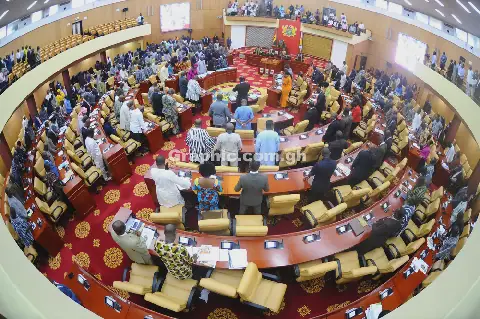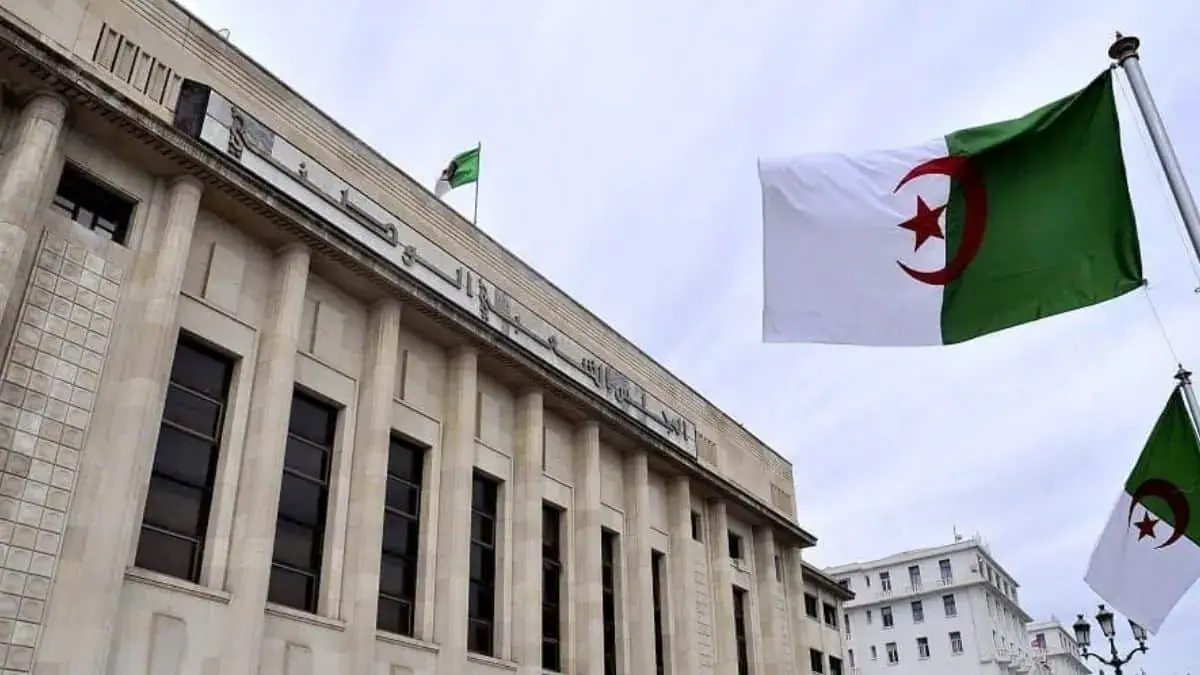
The 2027 finance bill was adopted by a majority of members in the Algerian National People's Assembly on November 16. However, four opposition parties - the Movement of Society for Peace (MSP), the Socialist Forces Front (FFS), the Rally for Culture and Democracy (RCD), and Jil Jadid - voted against the bill. The MSP, with 43 seats in the assembly, criticized the government for not presenting its action plan as stipulated in Article 106 of the Constitution and the report on the economic situation in the first quarter of the year.
The MSP also expressed concerns over the lack of a clear vision to address structural financial imbalances caused by budget deficits, increasing public debt, and declining foreign exchange reserves. Additionally, the party noted a significant gap between the volume of mobilized financial resources and the achieved economic and social results. These concerns led the MSP to vote against the finance bill.
The FFS, with 12 deputies, also voted against the bill, citing its failure to propose new economic perspectives, ensure sustainable budget trajectory, and provide institutional means for genuine public responsibility. The FFS criticized the government for not presenting its action plan and annual general policy statement, as well as delays in presenting budget settlement laws, which they believe weaken constitutional control and accountability mechanisms.
Jil Jadid, with only three seats in the assembly, voted against the bill due to concerns over the significant budget deficit. The party noted that the projected 2027 budget anticipates 9,251.1 billion dinars in revenues and 17,882.6 billion dinars in expenditures, resulting in a deficit of over 8,600 billion dinars. Jil Jadid called for clear explanations on financing expenditures, their sustainability, and the consequences of this trajectory on public finances.
The RCD also voted against the finance bill, citing concerns over the scale of the budget deficit, which they believe has become unsustainable. The party, led by Athmane Mazouz, emphasized the need for transparency, accountability, and effective parliamentary control, which they consider essential for good governance. The RCD criticized the government's model of financing, which they believe relies heavily on public spending and is insufficiently supported by wealth creation.
The Workers' Party (PT), led by Louisa Hanoune, abstained from voting on the finance bill, citing the rejection of 10 proposed amendments by its deputies. The PT's position reflects its dissatisfaction with the bill, although it did not vote against it. The opposition parties' votes against the finance bill highlight their concerns over Algeria's economic trajectory and the need for greater transparency and accountability in budget management.
The 2027 finance bill has sparked controversy in Algeria, with opposition parties calling for a more sustainable and transparent approach to budgeting. The government's response to these concerns remains to be seen, as Algeria navigates its economic challenges.
Key points
- The four opposition parties that voted against the 2027 finance bill are the Movement of Society for Peace (MSP), the Socialist Forces Front (FFS), the Rally for Culture and Democracy (RCD), and Jil Jadid.
Reporting sources
- PLF 2027 : pourquoi quatre partis d’opposition ont voté contre à l’APN · tsa-algerie.com