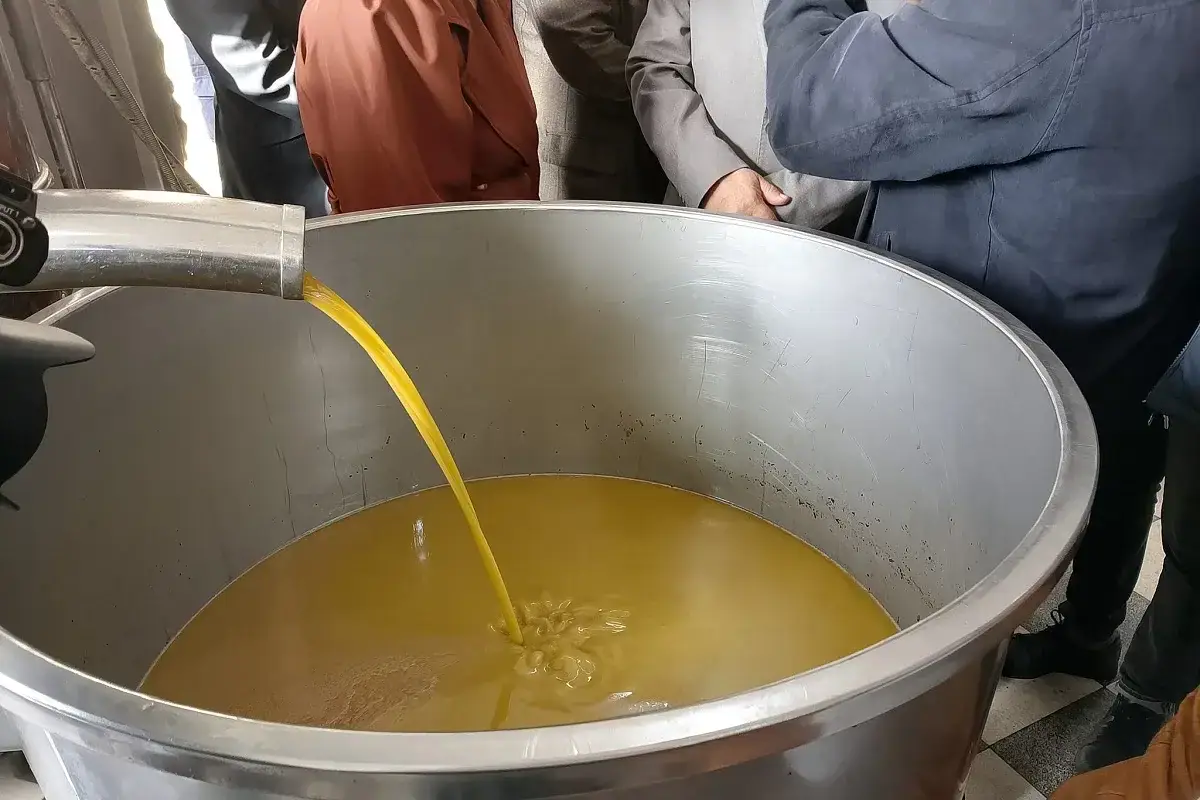
The Algerian province of Bejaia is expecting a significant olive oil production in the 2026/2027 season, with estimates suggesting 16 million liters. According to the local agricultural services director, Mohamed Boutiba Benkelaouz, the production forecast was announced on November 2 by the Direction locale des services agricoles (DSA). The olive harvest campaign began on October 29 in the commune of Bouhamza.
Bejaia province boasts an impressive 57,000 hectares of olive groves, accounting for 12% of Algeria's national olive tree cultivation. This represents nearly 45% of the region's agricultural land. The province has made significant investments in olive cultivation, including a program to plant 100,000 olive trees over 230 hectares in the 2025/2026 season, valued at 470 million Algerian dinars.
The region is home to 393 olive oil mills, comprising 133 semi-automatic, 100 continuous chain, and 160 traditional units. These mills have a combined processing capacity of 2,260 quintals of olives per hour. To support the growth of the sector, the government is offering agricultural credits to encourage the development of modern olive oil mills.
Looking ahead, the DSA is focusing on renewing and intensifying olive groves, as well as expanding irrigation systems to boost productivity. The modernization and expansion of olive oil mills are also priorities, particularly in the region's 160 traditional units. Furthermore, efforts will be made to promote local olive oil in both domestic and international markets.
The olive oil sector in Bejaia has faced challenges, including damage from fires. However, the DSA has assured that affected areas will be rehabilitated and replanted as part of compensation measures. A meeting with local olive oil industry professionals is planned to discuss various issues related to the sector's development.
Bejaia's olive oil production is a significant contributor to Algeria's overall production. The country's olive oil sector is expected to benefit from investments in infrastructure, technology, and sustainable practices. The growth of the sector is also likely to create new economic opportunities for local communities.
The Algerian government is committed to supporting the development of the olive oil sector, with a focus on improving productivity, quality, and competitiveness. The sector's future prospects look promising, with potential for expansion and growth in both domestic and international markets.
Key points
- Bejaia province expects to produce 16 million liters of olive oil in the 2026/2027 season.
- The province has 57,000 hectares of olive groves, accounting for 12% of Algeria's national olive tree cultivation.
- The region has 393 olive oil mills with a combined processing capacity of 2,260 quintals of olives per hour.