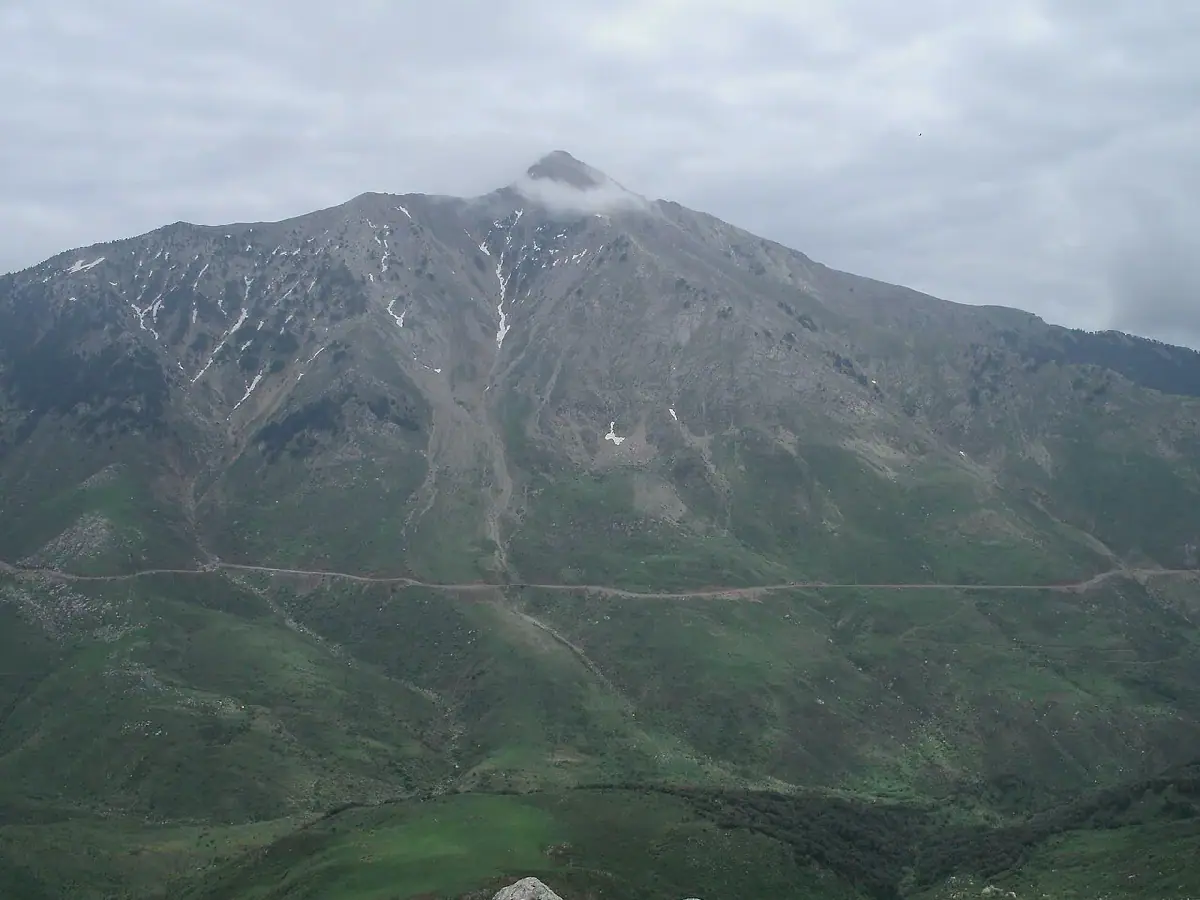
The Algerian National Park of Djurdjura, a UNESCO-recognized biosphere reserve, has published a map of authorized hiking trails to promote eco-tourism and protect the environment. The park, which features six sectors, including Aït Ouabane and Tirourda, has outlined specific rules for visitors to follow. These rules include staying on designated trails, not picking or destroying vegetation, and not feeding wild animals. Park officials stress that preserving the natural heritage of the park requires visitors to be mindful of their actions and respect the environment.
The park's administration has reported several incidents of visitors and tour guides behaving irresponsibly, including attempting to access restricted areas and harassing park rangers. In one instance, tensions arose between park agents and individuals trying to access the Aït Ouabane forest without permission. Park officials have warned that they will not tolerate any form of intimidation or aggression towards their agents and will take legal action against those who break the rules.
One of the main concerns of park officials is the practice of feeding wild animals, which can have severe consequences for their health and behavior. In the Tala Guilef sector, several chacals have lost their fear of humans and are now approaching visitors and vehicles. Park officials warn that feeding these animals can lead to obesity, diabetes, and dental problems, as well as alter their behavior and make them dependent on humans.
The park's administration is also concerned about the risks that habituated animals pose to both humans and other animals. When wild animals lose their fear of humans, they become vulnerable to poaching and vehicle collisions. Additionally, they may transmit diseases to humans or other animals, and their altered behavior can disrupt the balance of the ecosystem.
To mitigate these risks, park officials are urging visitors to respect the rules and regulations of the park. They are also calling on tour guides and nature enthusiasts to help educate the public about the importance of responsible behavior in protected areas. By working together, park officials hope to promote a culture of environmental stewardship and protect the unique biodiversity of the Djurdjura National Park.
The park's efforts to promote eco-tourism and protect the environment are crucial to preserving the natural heritage of Algeria. As a popular tourist destination, the Djurdjura National Park attracts many visitors each year, and it is essential that they are aware of the impact of their actions on the environment. By providing clear guidelines and regulations, park officials hope to minimize the negative impacts of tourism and promote a sustainable and responsible approach to exploring the park.
The map of authorized hiking trails and information about park rules are available at park visitor centers. Park officials encourage visitors to plan ahead, stay on designated trails, and respect the natural environment. By doing so, visitors can help protect the unique biodiversity of the Djurdjura National Park and ensure that it remains a beautiful and unspoiled destination for future generations.
Key points
- The Algerian National Park of Djurdjura has published a map of authorized hiking trails to promote eco-tourism and protect the environment.
- Park officials are warning visitors about the dangers of feeding wild animals, which can have severe consequences for their health and behavior.
- The park's administration is urging visitors to respect the rules and regulations of the park to protect the unique biodiversity of the Djurdjura National Park.