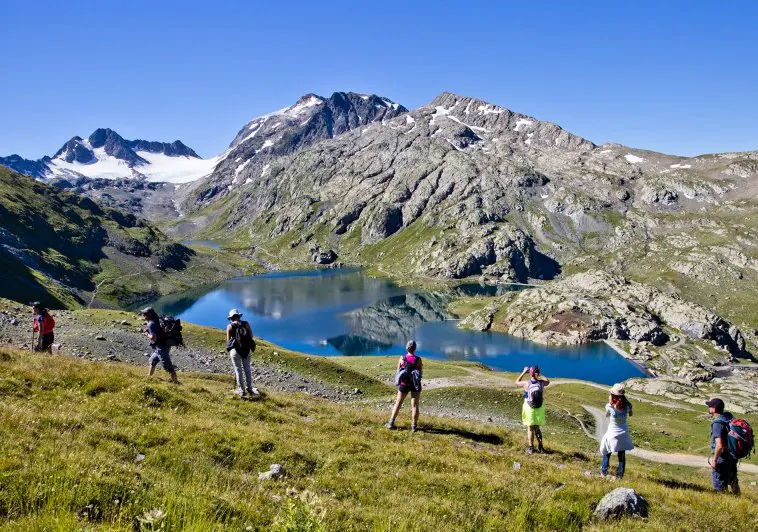
Nestled in the heart of the Djurdjura mountain range, Tikjda stands at an altitude of 1,478 meters, boasting a diverse range of flora and fauna. As part of the Djurdjura National Park, established in 1983, Tikjda was recognized as a UNESCO biosphere reserve in 1997, spanning 18,500 hectares. The region's varied landscape features virgin forests of cedar, Aleppo pine, and black pine, alongside an array of protected species, including the striped hyena and the booted eagle.
In the 1970s and 1980s, Tikjda was a favored destination for Algerian and European tourists, who would often go hiking and explore the region's numerous caves and gorges. One such site, Anou N'Iflis, is considered Africa's deepest gorge, measuring 1,115 meters in depth. However, the rise of terrorism in the 1990s led to a decline in tourism, with many facilities, including a ski lift and chairlift, falling into disrepair.
Despite these challenges, Tikjda's natural beauty remains intact, with attractions like Lake Agoulmim, the highest lake in Africa at 1,700 meters, and the Pic de Lalla Khedidja, which stands at 2,308 meters. The region is also home to a historic ski resort, which was once a popular destination for skiers in the 1960s and 1970s. The Ski Club de Tikjda, established in 1963, is Algeria's oldest ski club.
However, the lack of effective tourism strategies and infrastructure has hindered Tikjda's revival. Although several projects have been proposed, few have come to fruition, and the region's potential remains largely untapped. The local community and authorities have expressed concerns about the need for sustainable development and conservation efforts to protect the region's unique ecosystem.
Tikjda also holds significant historical importance, having been a key site during Algeria's war of independence. The region was the scene of several clashes between the National Liberation Front and French forces. In recent years, the area has also been associated with terrorist activities, including the tragic killing of French mountaineer Hervé Gourdel in 2014.
In an effort to promote conservation and sustainable tourism, the Djurdjura National Park has implemented measures to protect the region's biodiversity. The park's management has worked to engage local communities in conservation efforts and develop eco-friendly tourism initiatives. However, more needs to be done to address the region's infrastructure challenges and ensure the long-term sustainability of Tikjda as a tourist destination.
The legacy of Mustapha Muller, an Austrian-born conservationist who dedicated his life to creating biosphere reserves in Algeria, including the Djurdjura National Park, continues to inspire efforts to protect and preserve the region. As Tikjda seeks to reclaim its former glory, it is essential to balance tourism development with conservation and environmental protection, ensuring the region's unique natural beauty and cultural heritage are preserved for future generations.
Key points
- Tikjda's unique ecosystem and biodiversity make it an attractive destination for eco-tourists and nature lovers.
- The region's infrastructure challenges and lack of effective tourism strategies have hindered its revival as a prime tourist destination.
- Conservation efforts and sustainable tourism initiatives are essential to protect Tikjda's natural beauty and cultural heritage.