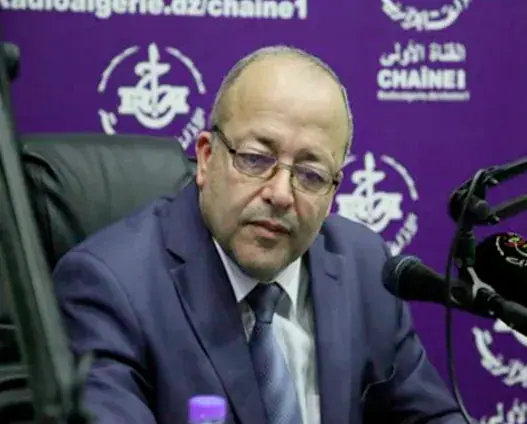
Algerian Minister of Communication, Mohamed Bouslimani, recently emphasized the need to continue dialogue with media professionals. In an interview with Radio Algeria's Channel III, Bouslimani explained that the goal is to consolidate rules governing the profession, strengthen regulatory mechanisms, and support the development of various media outlets, including audiovisual, print, and digital media. This initiative aims to promote a more structured and reliable media environment in Algeria.
Bouslimani highlighted that several meetings have already been held between media professionals and government officials, including at the Ministry of Communication and the Presidency of the Republic. He announced that more meetings are planned to ensure regular consultation and address the concerns of journalists and press companies. This ongoing dialogue is crucial for understanding the needs and challenges faced by media professionals in Algeria.
On October 28, 1962, Algerian workers at Radio and Television took control of national broadcasting, ensuring continuity of public service despite the departure of French technicians. Bouslimani paid tribute to these pioneers, acknowledging their role in maintaining media operations with limited resources and expertise. He praised their patriotism, determination, and professional responsibility, which he believes should inspire new generations of journalists.
The Algerian audiovisual sector has undergone significant transformations since 1962, including a 1986 reform that established the Public Enterprise for Sound Broadcasting and the Public Enterprise for Television. Bouslimani noted that the sector continues to evolve, with a growing emphasis on digital media. He stressed that the transition to digital is no longer optional but necessary for the survival and viability of press companies.
Bouslimani highlighted the rapid growth of the Algerian media landscape, with over 200 print titles, 142 news websites, and 11 television channels. He also emphasized the need for reliable audience measurement tools to enhance digital content. Furthermore, he discussed the importance of protecting journalists' rights, including social coverage, insurance, and contract regularization.
The minister stressed that state support for the media sector extends beyond economic assistance to include protection of professionals, social coverage, and contract regularization. He insisted on the need to generalize work contracts and eliminate undeclared work practices. Bouslimani also mentioned existing legislation and indirect state support, such as subsidies for printing and paper costs.
Bouslimani concluded by emphasizing the importance of balancing journalists' rights and responsibilities. He encouraged media professionals to adapt to the changing media landscape and to prioritize digital transformation. The Algerian government remains committed to supporting the media sector and promoting a free and responsible press.
Key points
- Algerian Minister of Communication, Mohamed Bouslimani, emphasizes the need for continued dialogue with media professionals to regulate the sector and promote a more structured media environment.
- The Algerian government is committed to supporting the media sector, including protecting journalists' rights and promoting digital transformation.
- Bouslimani highlights the importance of balancing journalists' rights and responsibilities in the rapidly evolving media landscape.