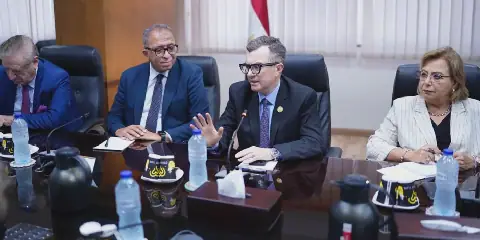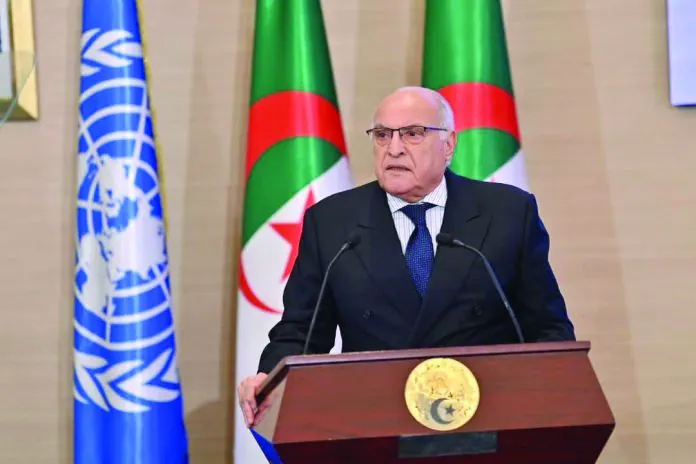
Algerian Minister of State for Foreign Affairs, Ahmed Attaf, participated in the 14th Ministerial Meeting of the Committee of Ten Heads of State and Government of the African Union (C-10) in Tripoli. The meeting focused on reforming the UN Security Council. Attaf advocated for the African Union's position, aligning with the 2005 Ezulwini Consensus. This consensus proposes that Africa be granted at least two permanent seats with full prerogatives, including veto power if it is maintained for current members.
During his address, Attaf emphasized that reforming the UN Security Council is no longer a matter of ordinary negotiation but a necessity. He argued that this reform would render justice to Africa, enhance the legitimacy, and consolidate the credibility of the international system. Attaf highlighted the significant changes the world has undergone since the UN's establishment in 1945. He noted that most African countries were then under colonial rule and lacked a voice in the creation of the international system.
Attaf pointed out that the international multilateral system faces a critical test in its ability to address current challenges and crises while restoring trust in international institutions. He recalled that African countries suffered greatly from conflicts and crises after gaining independence. The continent paid a heavy price for these global issues. Attaf stressed that the world has seen profound transformations in various fields, including political power dynamics and international configurations.
The Algerian minister noted that new countries and regional groups have emerged, and the UN membership has substantially expanded. However, the structure of the UN Security Council has not adequately adapted to these changes. Attaf argued that this discrepancy raises questions about the compatibility of the Council's composition with the current international landscape. He emphasized that Africa's representation in the Council does not reflect its importance and interests.
Attaf highlighted that the African continent was not adequately represented during the establishment of the current international system. He argued that the existing structure of the UN Security Council does not align with the transformations in the international community. The minister stressed the need for reform to ensure a more equitable representation of Africa within the international system.
The ministerial meeting of the Committee of Ten is part of Africa's efforts to push for UN Security Council reform. The goal is to enhance Africa's presence in the UN's central organ for maintaining international peace and security. This reform aims to address the requirement for more equitable representation in global governance. Attaf's participation in the meeting underscores Algeria's commitment to advocating for African interests on the international stage.
The push for UN Security Council reform reflects the evolving nature of international relations and the growing importance of Africa's role in global affairs. As the international community continues to face complex challenges, the need for a more representative and inclusive global governance structure becomes increasingly apparent. Algeria and other African nations are working to ensure that the continent's voice is heard and its interests are represented in key international institutions.
Key points
- Ahmed Attaf advocates for at least two permanent seats for Africa in the UN Security Council.
- The 2005 Ezulwini Consensus outlines proposals for UN Security Council reform.
- Attaf emphasizes that reform is necessary to reflect changes in the international community and to ensure Africa's fair representation.