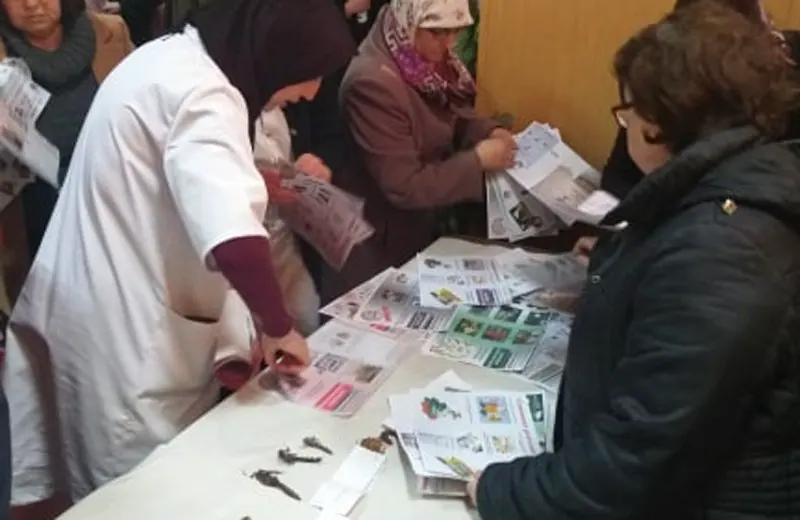
The Algerian Ministry of Health is set to establish an inter-ministerial device to monitor and prevent snake bites, according to Dr. Aliane Farida, head of the scorpion program at the ministry. The announcement was made during a seminar on "amphibian, scorpion, and reptile envenoming" organized by the Tizi Ouzou hospital. This move aims to address the lack of a similar device for snake bites, unlike scorpion stings which have been recognized as a public health issue since the mid-1980s.
The device will bring together several ministries, including the Interior, Agriculture, Housing, Environment, and Health. Dr. Aliane emphasized that the fight against amphibian envenoming is closely linked to environmental protection. She explained that the presence of snakes in an area is often facilitated by a degraded environment, characterized by poor road conditions, inadequate lighting, precarious housing, and the presence of household and inert waste.
The seminar was part of a broader effort to raise awareness and prevent snake bites. Dr. Aliane noted that the World Health Organization's (WHO) program advocates for a "One Health" approach, which integrates animal, plant, and human health. This approach aims to protect the three interconnected components. The doctor stressed the importance of prevention, alertness, and education in addressing the issue of snake bites.
According to an inventory conducted in 2018, Algeria recorded 700 snake bites and one death. Despite this relatively low number, Dr. Aliane emphasized the need for vigilance and proactive measures to prevent and respond to snake bites. She called for the development of training programs for healthcare practitioners and public awareness campaigns to inform citizens about the risks and prevention strategies.
The recent appearance of snakes in the Tizi-Ouzou region in December was attributed to climate change by Dr. Aliane. She explained that climate disruption inevitably affects the ecosystem and the lives of reptiles, highlighting the urgency of environmental prevention. The doctor's comments underscore the need for a comprehensive approach to addressing the issue of snake bites in Algeria.
Snake bites are considered a neglected tropical disease (NTD) in Algeria, and as such, are not recognized as a public health priority. However, Dr. Aliane argued that this does not diminish the importance of taking preventive measures and raising awareness about the risks associated with snake bites. The ministry's plans to establish an inter-ministerial device are seen as a step in the right direction.
The implementation of the device is expected to improve the monitoring and prevention of snake bites in Algeria. Dr. Aliane's announcement has raised hopes that the country will take a more proactive approach to addressing this public health issue. The involvement of multiple ministries is seen as a positive step towards a more comprehensive and coordinated response to the problem of snake bites.
Key points
- Algerian Health Ministry to set up an inter-ministerial device to monitor and prevent snake bites.
- Device will bring together several ministries, including Health, Interior, and Environment.
- Climate change cited as a factor in recent snake sightings in Tizi-Ouzou region.