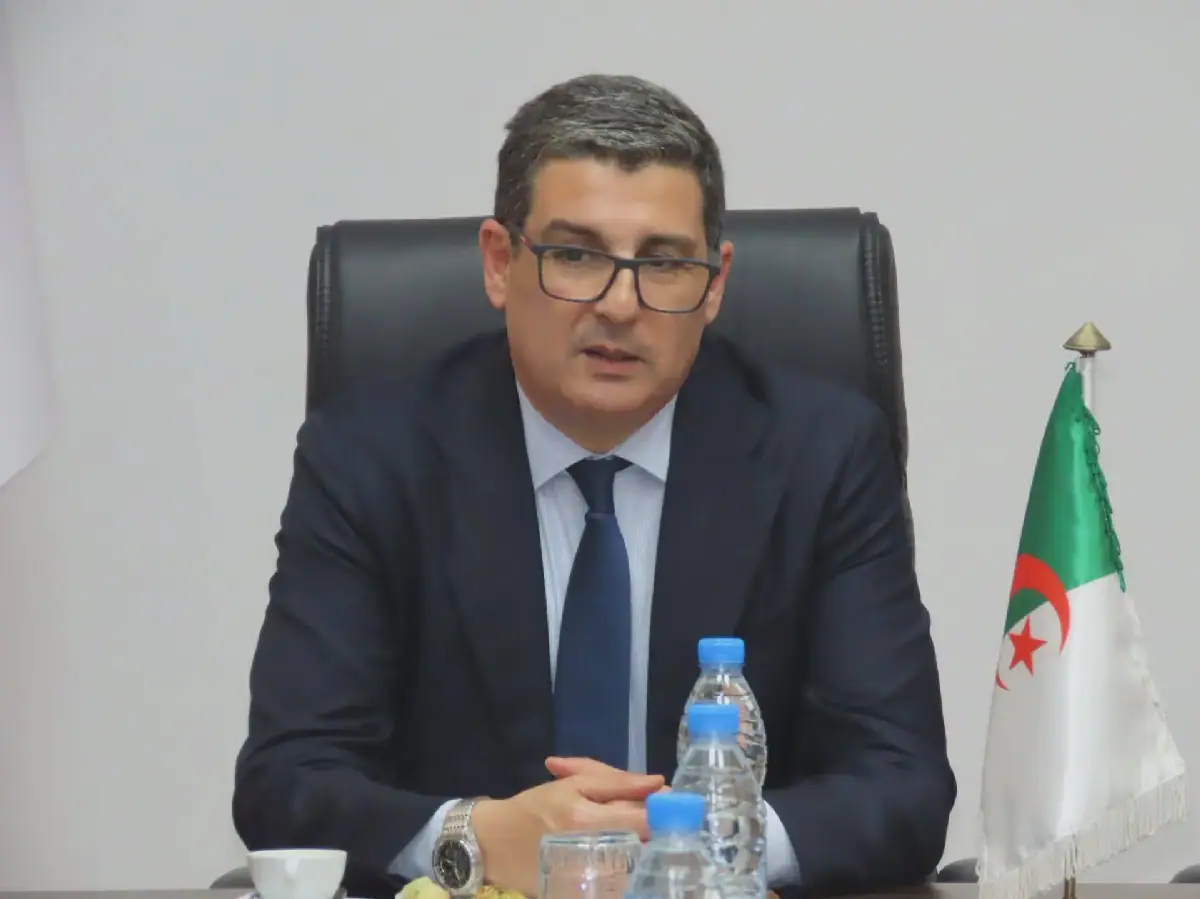
Algerian Health Minister Mohamed Seddik Aït Messaoudane has emphasized the importance of the national cancer registry network in developing and implementing the country's strategy to combat cancer. The registry's data shows that 14,712 new breast cancer cases are diagnosed annually in women, while 4,334 men are diagnosed with prostate cancer each year. These statistics were presented at the annual meeting of the national cancer registry network for 2026.
Breast cancer remains the most common type of cancer among women in Algeria, accounting for over 42% of all female cancer cases. In men, prostate cancer has taken the top spot, followed by colorectal cancer, which affects 4,066 individuals annually. The minister stressed the need to strengthen prevention efforts, combat risk factors, and improve diagnostic and treatment pathways to address the growing number of cancer cases.
The national cancer registry network has made significant progress since 2015, producing detailed epidemiological indicators by sex, age, disease location, and region. These data are crucial for informing strategic decisions in the healthcare sector and have contributed to the development of the national cancer prevention and control strategy for 2025-2035.
The registry network enables better allocation of resources and enhances patient care. To improve cancer treatment, the ministry plans to expand the network of cancer treatment centers, develop radiotherapy services, and equip them with linear accelerators. New units are also set to open, and additional equipment will be acquired to support the National Cancer Control Fund.
Minister Aït Messaoudane has identified several priorities for the coming years, including extending registry coverage to the entire national territory, accelerating digitization, and improving information system interoperability. He also emphasized the importance of strengthening human resources, continuous training, and improving working conditions.
The minister encouraged the development of prevention and early detection programs, as well as scientific research and international cooperation. Vanouil Habimana, the World Health Organization's representative in Algeria, highlighted that cancer registries are a vital component of an effective healthcare system, serving as a tool for guiding public policy.
The Algerian government is committed to mobilizing significant financial resources to support the National Cancer Control Fund and ensure the availability of anticancer medications. The ministry's efforts aim to improve cancer care and outcomes in Algeria, addressing the growing burden of this disease.
Key points
- The Algerian Health Minister reports 14,712 new breast cancer cases and 4,334 prostate cancer cases annually.
- The national cancer registry network has made significant progress since 2015.
- The Algerian government plans to expand cancer treatment centers and develop radiotherapy services.