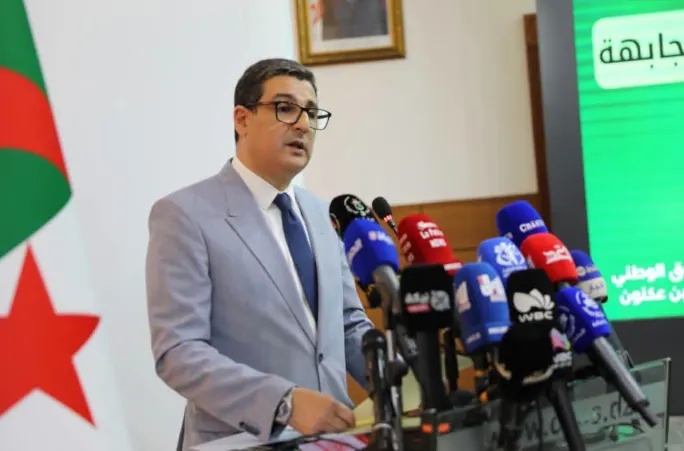
Algerian Health Minister Mohamed Seddik Aït Messaoudène has emphasized the need for the country's healthcare system to prepare for the health risks associated with climate change. Speaking at a recent conference on "health and climate change," the minister highlighted the growing threat of extreme weather events, such as heatwaves, droughts, and floods, which can have devastating effects on public health. The conference was organized by the Ministry of Environment and Quality of Life.
Minister Aït Messaoudène noted that climate change has become a major health concern, with rising temperatures and changing weather patterns increasing the risk of heat-related illnesses, cardiovascular and respiratory diseases, and the spread of infectious diseases. He stressed that the most vulnerable populations, including children, the elderly, pregnant women, and those with chronic illnesses, are particularly at risk. The minister called for a strengthened prevention and preparedness strategy to mitigate these risks.
To enhance preparedness, the Ministry of Health is working to strengthen its surveillance and monitoring systems, as well as the preparedness of healthcare facilities during extreme weather events. The minister highlighted the importance of science, technology, and data integration in anticipating and responding to climate-related health risks. A new convention with the Algerian Space Agency and the National Health Security Agency will enable the use of satellite imagery and geospatial technologies to monitor environmental factors and identify vulnerable areas.
The minister emphasized the need for a multisectoral approach to address the health impacts of climate change, involving not only the health sector but also the environment, local authorities, scientific institutions, and civil society. He noted that the Ministry of Health is already collaborating with the Ministry of Environment on several initiatives, including the national strategy for cancer prevention and control. This cooperation aims to address the environmental factors that contribute to health risks.
The Algerian government has established a multisectoral coordination commission to manage exceptional situations, including those related to climate change. At the local level, crisis cells have been set up to centralize data, assess situations, and coordinate interventions. The minister stressed the importance of having healthcare facilities that are more prepared and resilient to absorb the impact of extreme weather events without disrupting essential services.
Minister Aït Messaoudène outlined a four-priority approach to addressing the health impacts of climate change: prevention, anticipation, coordination, and the use of science and technology to protect citizens and improve their quality of life. He emphasized that the ultimate goal is to strengthen collective resilience and protect human life. The minister's call to action highlights the need for urgent and sustained efforts to address the health risks associated with climate change.
The Algerian government is taking steps to implement these measures, including the development of new technologies and strategies to support climate change mitigation and adaptation efforts. By working together, the government and various stakeholders aim to reduce the health impacts of climate change and promote a healthier and more sustainable future for all Algerians.
Key points
- Algerian Health Minister Mohamed Seddik Aït Messaoudène calls for preparedness and prevention measures to address health risks associated with climate change.
- The Ministry of Health is working to strengthen its surveillance and monitoring systems, as well as the preparedness of healthcare facilities during extreme weather events.
- A new convention with the Algerian Space Agency and the National Health Security Agency will enable the use of satellite imagery and geospatial technologies to monitor environmental factors and identify vulnerable areas.