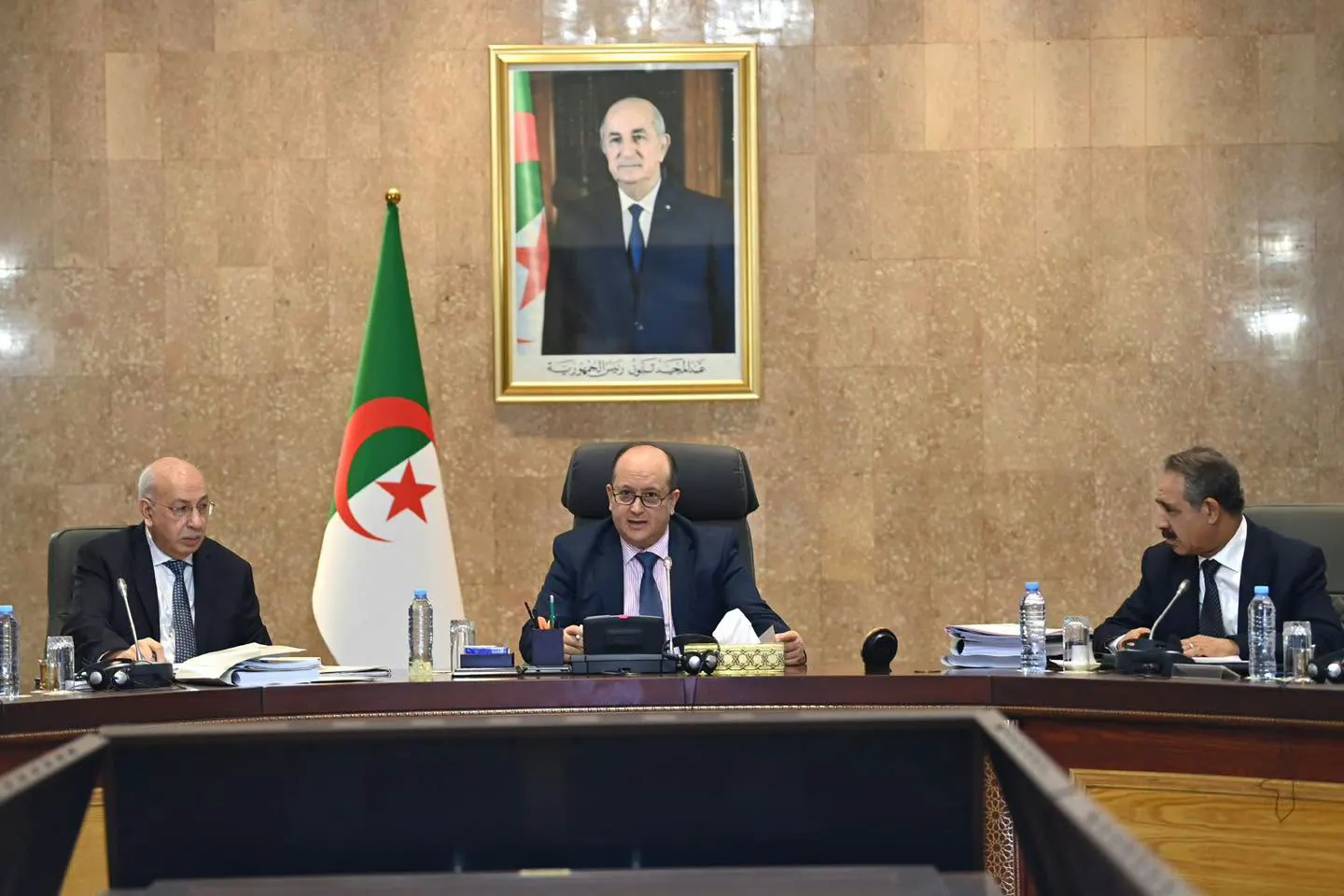
The Algerian government has presented the draft 2027 Finance Bill to the Council of Ministers for adoption. The bill, led by Prime Minister Seifi Gharib, aims to stimulate economic growth, reduce dependence on hydrocarbons, and preserve purchasing power. The government's priorities include supporting sectors outside the oil industry and promoting investment. This approach aligns with President Abdelmadjid Tebboune's instructions to balance economic performance and social protection.
The 2027 Finance Bill emphasizes diversification of the economy, with a focus on supporting non-oil sectors. The government plans to allocate resources to 20,000 investment projects by 2029, following the economic land reform. This effort aims to boost economic growth while protecting the purchasing power of citizens. President Tebboune has consistently stressed the importance of linking economic performance to social protection.
The financing of large-scale projects is a central aspect of the bill. The government will prioritize projects with significant socio-economic benefits, focusing on infrastructure development, territorial planning, and reducing logistics costs. This approach builds on previous efforts, such as the technical encasement of materials used in public works and the quality of road and rail infrastructure.
The bill also addresses social priorities, including education, healthcare, housing, and basic infrastructure. These areas will continue to receive significant public resources. The government's approach aligns with the instructions given to local authorities at the start of the 2026-2027 social year.
To improve the business environment, the bill introduces several measures. These include the full implementation of the Single Investment Desk, which aims to simplify procedures for investors. The government also plans to reform the administration, reduce tax procedures, and increase digitalization of public services.
The 2027 Finance Bill is expected to be examined by President Tebboune at the next Council of Ministers meeting. This step is crucial in determining the bill's future and its potential impact on the Algerian economy. The government has been working on several regulatory texts to reduce administrative delays, particularly in issuing construction permits.
The adoption of the 2027 Finance Bill marks a significant milestone in Algeria's economic policy. The government's efforts to stimulate growth, reduce dependence on hydrocarbons, and improve the business environment are expected to have a positive impact on the country's economy. The bill's implementation will be closely monitored, as it aims to address key challenges facing Algeria's economy.
Key points
- The 2027 Finance Bill prioritizes economic growth, purchasing power, and diversification of the economy.
- The bill focuses on supporting sectors outside the oil industry and promoting investment.
- The government's approach aims to balance economic performance and social protection.