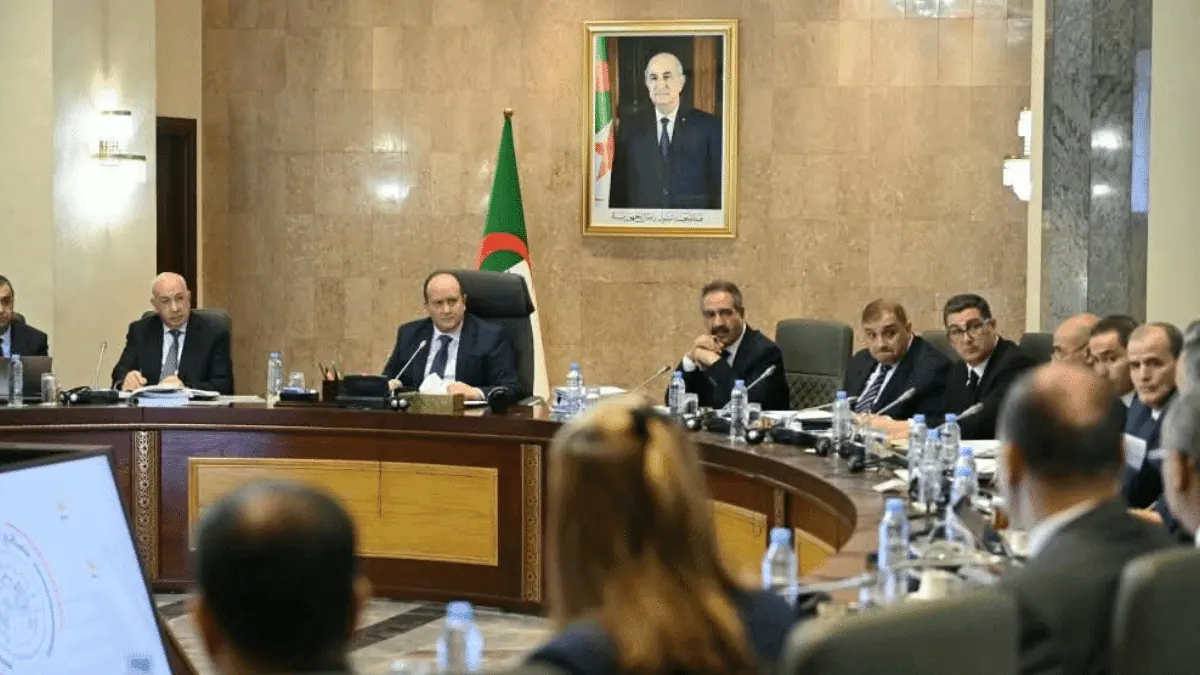
The Algerian government, led by Prime Minister Sifi Ghrieb, has examined the preliminary draft of the 2027 finance bill during its weekly meeting on September 30. This bill aims to enhance the purchasing power of citizens, improve the business climate, and continue public investments that have a substantial impact on economic and social development. The draft is aligned with the high orientations of the President of the Republic, emphasizing a strategy that consolidates economic growth, accelerates the diversification of the national economy, and supports productive investment.
The 2027 finance bill prioritizes projects with a significant impact on economic and social development, focusing on reinforcing support for productive investment and the realization of structuring projects. These projects are expected to strengthen the national infrastructure network, improve territorial planning, and reduce logistical costs. By doing so, the government aims to foster a more favorable business environment and stimulate economic growth.
The bill also underscores the government's commitment to preserving purchasing power and addressing social needs. This will be achieved by consolidating support mechanisms and continuing public programs in priority sectors such as education, health, housing, and infrastructure. These measures are designed to improve the standard of living and provide essential services to citizens.
To improve the investment climate, the 2027 budget includes several measures. These involve enhancing support for economic operators, notably through the implementation of a single investment desk. The government also plans to accelerate the modernization of the administration and improve the mobilization of public resources. This will be achieved by simplifying procedures, reinforcing tax compliance, and continuing the digital transformation of the administration.
The draft finance bill is set to be submitted to the next Council of Ministers for adoption. Once approved, it will play a crucial role in guiding Algeria's economic and social policies for 2027. The bill reflects the government's efforts to address current challenges and promote sustainable development.
The Algerian government's approach to economic development emphasizes the importance of investment, infrastructure, and social welfare. By focusing on these areas, the government aims to create a more favorable business environment, stimulate economic growth, and improve the standard of living for its citizens.
The 2027 finance bill is part of a broader strategy to consolidate economic growth, diversify the national economy, and support productive investment. The government's commitment to improving the business climate and preserving purchasing power is expected to have a positive impact on the country's economic and social development.
Key points
- The 2027 finance bill focuses on improving citizens' purchasing power, business climate, and public investments with significant economic and social impacts.
- The bill prioritizes projects with a substantial impact on economic and social development, aiming to strengthen the national infrastructure network and improve territorial planning.
- The government aims to foster a more favorable business environment and stimulate economic growth through measures such as enhancing support for economic operators and modernizing the administration.