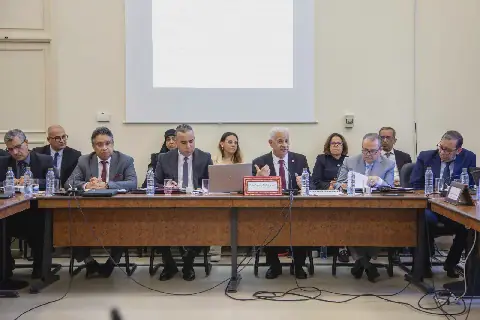
The Algerian government has dispatched a ministerial delegation to Tlemcen to address the growing pollution crisis affecting the region's waterways. Led by Minister of Interior and Local Authorities Brahim Merad, the delegation aims to implement measures to mitigate the impact of pollution on the environment and public health. The crisis has been escalating, with contamination detected in the Mouilah, El-Mehaguene, and Abbès waterways, posing a significant threat to the Hammam Boughrara dam.
Merad emphasized that protecting water resources, ensuring public health and safety, and preserving ecological balance and biodiversity are top priorities for the government. The delegation's visit to the Maghnia region revealed severe contamination, with high levels of biological and chemical pollutants, including pharmaceutical substances and heavy metals, detected in the waterways. These pollutants have caused significant fish mortality and ecosystem degradation, raising concerns about long-term environmental damage.
Investigations have identified multiple sources of contamination, including untreated industrial waste, domestic sewage, and agricultural runoff. The pollution poses a significant risk to aquatic life, vegetation, soil quality, and agricultural land. Furthermore, it threatens to contaminate groundwater, which could have severe consequences for public health if left unchecked. The government has assured citizens that it is working to prevent disruptions to their water supply.
Merad announced that the government will take firm action against those responsible for the pollution, including pursuing legal action and requiring them to treat their wastewater. He stressed that these "criminal practices" will not be tolerated and that the government will work to protect the environment and public health. The issue has international implications, with the government vowing to pursue the matter through international channels if necessary.
The Algerian government has committed to pursuing investigations, strengthening protection of water resources, and taking necessary steps to hold those responsible for the pollution accountable. The priority remains preserving water quality, public health, and ecological balance in the region. Merad's statements underscore the government's resolve to address the crisis and prevent similar incidents in the future.
As part of its response, the government will enhance monitoring and surveillance, assess treatment capacities, and engage with relevant sectors to address the crisis. The situation in Tlemcen highlights the importance of protecting water resources and the need for concerted efforts to prevent environmental degradation. The government's actions aim to mitigate the impact of pollution and ensure a safer, healthier environment for local communities.
The pollution crisis in Tlemcen has sparked concerns about the long-term sustainability of the region's water resources and the potential for similar incidents to occur elsewhere. The government's response underscores its commitment to environmental protection and public health, and it remains to be seen how effective these measures will be in addressing the crisis and preventing future pollution incidents.
Key points
- Algerian government launches multisectoral response to address pollution in Tlemcen region.
- Contamination detected in Mouilah, El-Mehaguene, and Abbès waterways poses significant threat to environment and public health.
- Government vows to pursue those responsible for pollution, including through international channels if necessary.
Reporting sources
- Pollution des oueds à Tlemcen : L’État engage la riposte pour protéger la sécurité hydrique · Le Jeune Indépendant