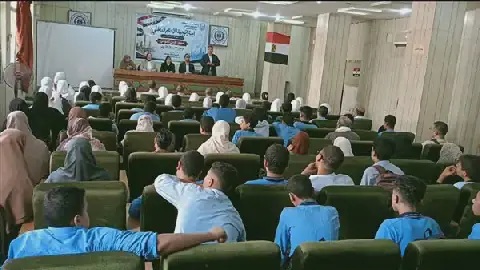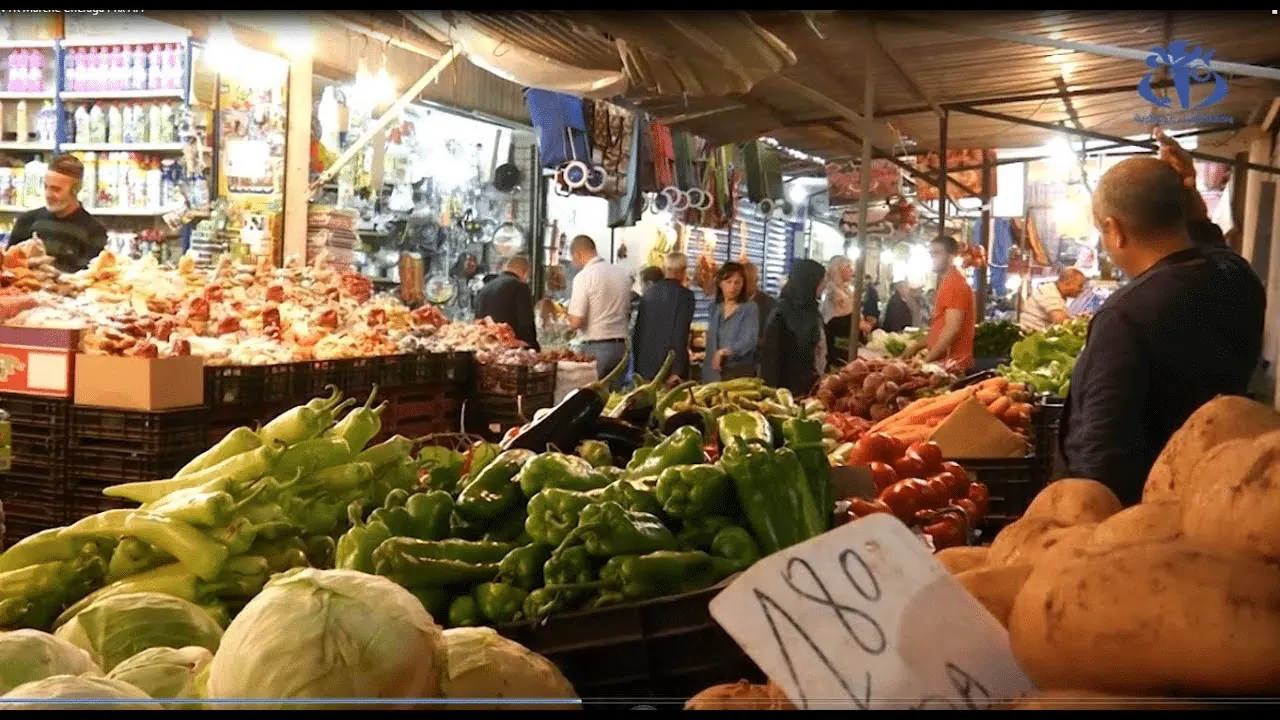
The Algerian government has taken steps to address the recent surge in food prices, particularly in fruits and vegetables. On October 1, Prime Minister Sifi Ghrieb chaired a meeting with representatives from various agricultural sectors to discuss the issue. The meeting resulted in the adoption of nine measures aimed at regulating the market and protecting the purchasing power of citizens. These measures aim to bring order to the sector and ensure a stable supply of essential products.
One of the key measures introduced is a zero-tolerance policy towards speculators and intermediaries who are contributing to the price hikes. The government will exercise strict control over the entire supply chain, from production to consumption. Any storage of agricultural products outside of declared channels will be subject to prosecution, with authorities calling for the immediate release of stockpiled products to regulate prices. This move targets speculators who have been accused of hoarding products such as potatoes and poultry to drive up prices.
The government has also introduced a price cap on potatoes, a staple product in Algerian cuisine. The price of potatoes will be limited to 70-80 Algerian dinars at the producer level and 80-90 dinars at wholesale and retail markets. This measure aims to prevent excessive price hikes and make the product more affordable for consumers. Additionally, the government has reaffirmed its commitment to supporting producers by ensuring the availability of supply chains and production means.
To facilitate the importation of essential agricultural inputs, the government has established a "green corridor" for imports of inputs and production means destined for plant and animal sectors. This corridor will be managed by the Ministry of Agriculture in coordination with the Ministry of Foreign Trade. Products concerned will be exempt from registration on the digital platform, streamlining the import process. This measure is expected to help stabilize production and mitigate the impact of price hikes.
The government has also taken steps to support farmers, including the exemption of agricultural debts with the Société algérienne de régulation des produits agricoles (SARPA). Farmers will be exempt from taxes and fiscal surveillance after declaring their production, and their tax situations will be regularized instantly. Furthermore, banks have been instructed to finance all agricultural sectors, easing conditions and reducing processing times for dossiers.
The National Chamber of Agriculture (CNA) has welcomed the government's measures, expressing its commitment to continuing production in abundance and quality despite some imbalances in prices of certain basic products. The CNA has pointed to intermediaries who reap excessive profit margins and called for acceptable profit margins that respect the general interest. The organization has also advised farmers to sell their products directly to consumers at wholesale markets.
The government has established a monitoring and follow-up cell, which will meet monthly under the supervision of the Prime Minister and governors, with the participation of representatives from various agricultural sectors. This cell aims to ensure the effective implementation of the measures introduced and to monitor market trends. The government's efforts to combat rising food prices and support the agricultural sector are ongoing, with the aim of ensuring a stable supply of essential products and protecting the purchasing power of Algerian citizens.
Key points
- The Algerian government has introduced a zero-tolerance policy towards speculators and price caps on potatoes to address rising food prices.
- A "green corridor" has been established to facilitate the importation of essential agricultural inputs.
- The government has also taken steps to support farmers, including the exemption of agricultural debts and increased financing from banks.