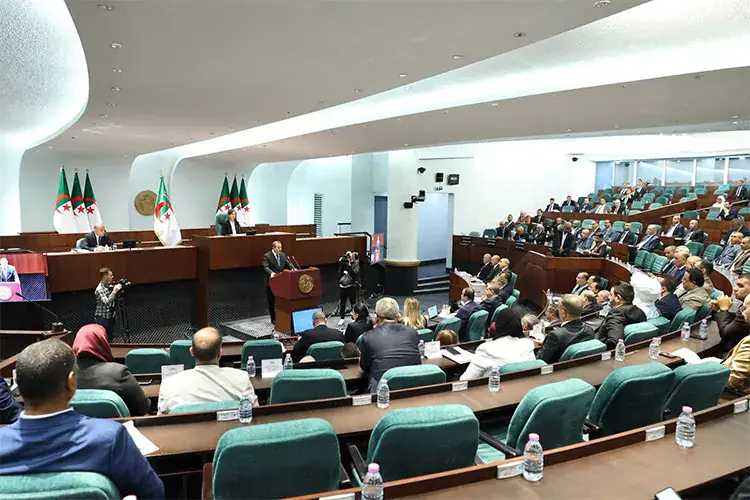
The Algerian government faced intense scrutiny from lawmakers during the first session of parliament to discuss the 2027 finance bill. The focus was on how to cover the budget deficit and find alternative funding sources without imposing new taxes. Deputies emphasized the need to expand the tax base, combat tax evasion, and improve treasury revenue collection. They also called for subsidies to be directed to those who need them most.
The debate extended beyond funding sources to questions about the effectiveness of public spending and the government's ability to translate allocated funds into tangible results. Lawmakers highlighted cases of stalled projects and underutilized healthcare facilities, despite significant funding. They stressed the importance of protecting purchasing power and ensuring subsidies reach their intended beneficiaries. Investment should be directed towards productive sectors to create wealth and jobs.
National Liberation Front deputy Yacine Ben Aissa emphasized the need to link public spending to economic outcomes. He argued that economic strength is not measured by resource consumption but by wealth creation and job opportunities. Ben Aissa called for the implementation of the Organic Law 18-15, which aims to evaluate project results and enhance transparency in public finance management.
Ben Aissa also expressed concerns about the potential impact of fuel price adjustments on transportation and production costs. He advocated for support for production and job creation, alongside stimulating investment. In contrast, Ahmed Bousta of the Movement of Society for Peace questioned the government's ability to balance revenue and expenditure, citing a significant deficit.
Bousta praised measures to support purchasing power but stressed the need for accurate indicators to evaluate government program performance. He called for public spending to be subject to ex-post evaluation to measure its effectiveness. The deputy also advocated for expanding the tax base, accelerating digitalization, and integrating the parallel market into the official economy.
Abdelhamid Belkhal of the Future Front praised the finance bill's measures to support citizens' purchasing power. He emphasized the importance of continuing efforts to protect household income and ensure subsidies reach their intended beneficiaries. Belkhal also called for simplifying administrative procedures for investors and supporting small and medium-sized enterprises.
Mohammed Reza Mouaileh of the National Liberation Front focused on covering the budget deficit, questioning how the government would secure necessary funding without imposing new taxes. He called for intensifying efforts to combat tax evasion and improve tax revenue collection. Meanwhile, Noor Eddine Belhouari of the Movement of Society for Peace criticized the waste of time and resources on project implementation.
Key points
- Algerian lawmakers demand greater transparency and effectiveness in public spending and budget allocation.
- Deputies call for expanding the tax base and combating tax evasion to boost treasury revenue.
- The government faces pressure to protect citizens' purchasing power and ensure subsidies reach those in need.