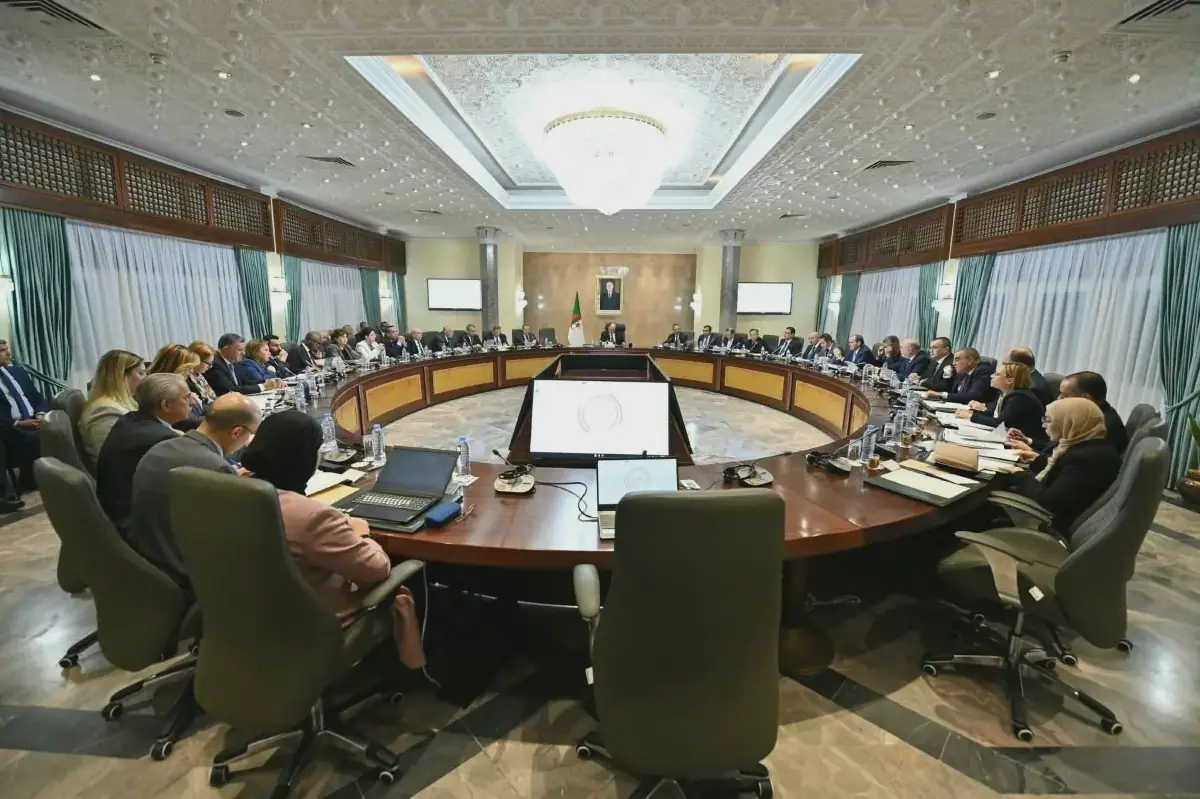
The Algerian government, led by Prime Minister Sifi Ghrieb, has examined mechanisms for financing university projects that are industrializable and commercializable. These projects, innovated by students, aim to support and accompany them in concretizing their ideas and creating their own enterprises. According to a communiqué from the Prime Minister's services, this initiative is part of the state's efforts to valorize the innovation capacities of students, graduates, and PhD holders.
The government has reported that nearly 1,000 innovative projects have been financed through these mechanisms, which are part of a comprehensive ecosystem dedicated to financing innovation and creating added value within the university environment. This ecosystem aims to strengthen the role of universities in diversifying the national economy and creating wealth. The government's efforts focus on promoting innovation and entrepreneurship among students and graduates.
In addition to discussing financing mechanisms, the government reviewed the results of a land census for economic purposes, as well as the progress of investment projects and data digitization. The land census is part of the implementation of the President of the Republic's instructions to launch an immediate census of the country's industrial land and accelerate the digitization of investment operations.
The government aims to establish a clear map of economic land and distinguish between new investment projects and extension projects. This will help accompany economic operators and remove obstacles they face. The examination of results follows the meetings of the Interministerial Council held on September 10 and 13, 2026, with the participation of walis via videoconference.
The government also examined a communication on the National Plan for Adaptation to Climate Change by 2035. This plan complements the Nationally Determined Contribution document submitted by Algeria to the United Nations in June. It defines the necessary orientations to determine national priorities and implement adaptation measures to climate change.
The plan aims to strengthen national resilience to the effects of climate change while integrating adaptation into public policies to promote sustainable development. The government is committed to supporting the development of a resilient and sustainable economy.
Finally, the government discussed measures for the realization of omnisport complexes and Olympic villages to promote sports practice and strengthen national capacities for organizing major sporting events. The development of sports infrastructure is part of the government's efforts to promote a healthy and active lifestyle.
Key points
- The Algerian government has examined mechanisms for financing university projects that are industrializable and commercializable, with nearly 1,000 innovative projects financed so far.
- The government aims to establish a clear map of economic land to accompany economic operators and remove obstacles to investment.
- Algeria has also developed a National Plan for Adaptation to Climate Change by 2035 to strengthen national resilience to the effects of climate change.