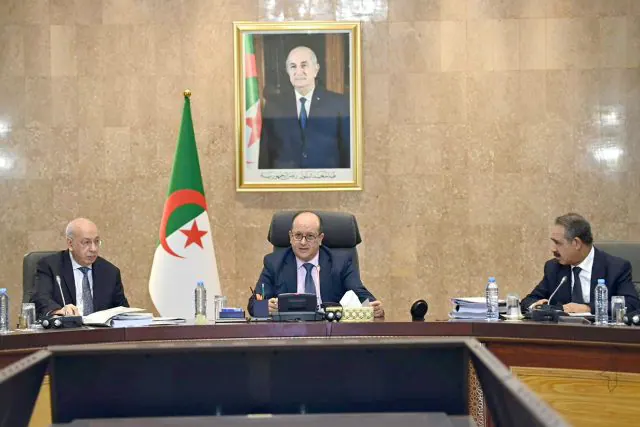
The Algerian government has examined the first draft of the 2027 finance law, aiming to consolidate economic growth, accelerate diversification, and support productive investment. The draft is based on the country's major political, economic, and social orientations set by President Abdelmadjid Tebboune. The meeting was presided over by Prime Minister Sifi Ghrieb, who reviewed the draft through a presented communication. This law is expected to play a crucial role in shaping Algeria's economic future.
The draft finance law for 2027 focuses on implementing the president's high orientations, prioritizing economic growth, diversification, and social cohesion. It aims to sustain the momentum of economic development, accelerate national economy diversification, and support productive investments. The law also seeks to preserve purchasing power and enhance social cohesion. According to the prime minister's services, this approach will ensure a balanced and sustainable economic growth.
The draft law emphasizes the continuation and strengthening of support for productive investment and the realization of structuring projects. It prioritizes operations with a significant impact on economic and social development, infrastructure reinforcement, and territorial planning. Additionally, it aims to reduce logistical costs and enhance the national infrastructure network. These measures are expected to have a positive impact on the country's economic and social development.
The draft law also reflects the government's commitment to preserving purchasing power and addressing social needs. It aims to consolidate support mechanisms and continue public programs in priority sectors such as education, health, housing, and infrastructure. This approach will ensure that the country's social needs are met while promoting economic growth.
The draft law includes several measures to improve the investment climate, enhance support for economic operators, and modernize administration. It provides for the implementation of a single investment window, approved by the president, to facilitate investment procedures. The law also aims to improve public resource mobilization through simplified procedures, reinforced tax compliance, and the continued digital transformation of administration.
The government has also reviewed the implementation of the president's decisions made during the last council of ministers meeting. The prime minister's services presented a communication on the progress of these decisions. This review is part of the government's efforts to ensure the effective implementation of its policies and programs.
The draft 2027 finance law will be submitted to the next council of ministers for adoption. Once adopted, it will play a crucial role in shaping Algeria's economic future. The law's implementation is expected to have a positive impact on the country's economic growth, investment, and social cohesion.
Key points
- The draft law aims to consolidate economic growth, accelerate diversification, and support productive investment.
- The law prioritizes operations with a significant impact on economic and social development.
- The draft law includes measures to improve the investment climate and modernize administration.