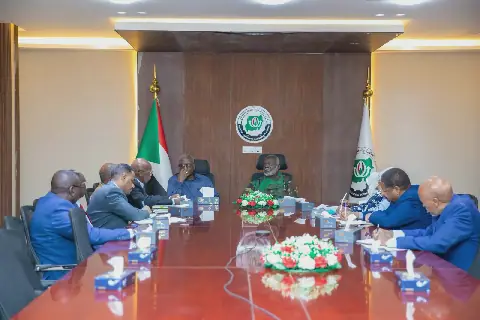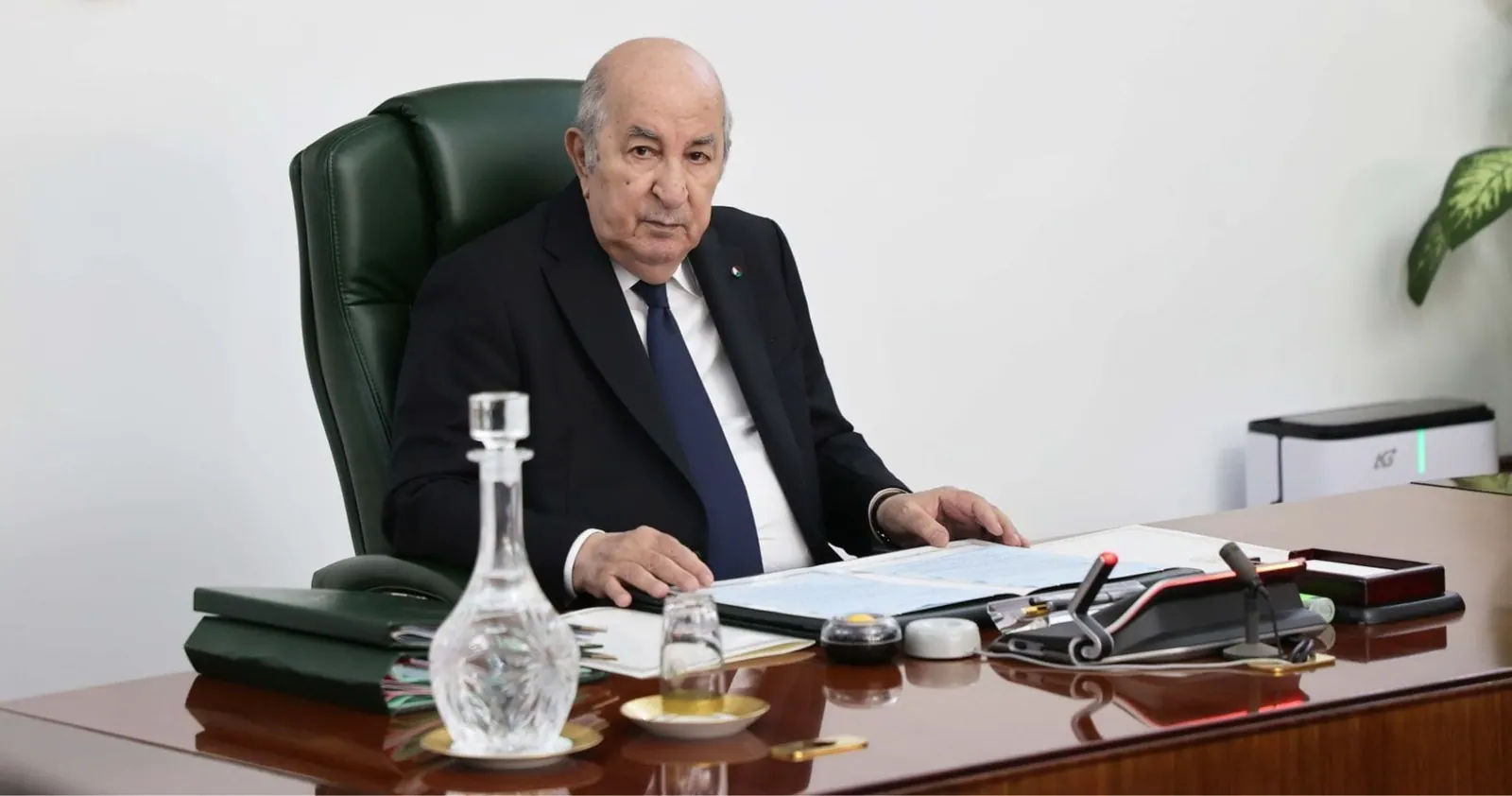
The Algerian government has approved the 2027 finance law, which includes increases in salaries and pensions, during a Council of Ministers meeting presided over by President Abdelmadjid Tebboune on October 4. The law aims to preserve the purchasing power of citizens, a priority for the government. The finance law had been under discussion by the government team led by Prime Minister Seifi Gharib since late September.
The 2027 finance law confirms the government's commitment to increasing salaries and pensions, a promise repeatedly made by President Tebboune. The law will now be examined by parliament. The government's focus on preserving purchasing power reflects its efforts to address economic challenges faced by citizens. The finance law is a key document outlining the government's budget and economic priorities for the upcoming year.
In addition to the finance law, President Tebboune ordered the immediate start of work on the Laghouat-Tamanrasset railway project. The project aims to connect the southern regions of the country to the national network, promoting economic development and reducing isolation. The railway will pass through several cities, including Ghardaïa, El Meniaâ, and In Salah, before reaching Tamanrasset.
The Laghouat-Tamanrasset railway project is a strategic initiative that will have significant economic and logistical impacts. The project will facilitate the transportation of goods and people, opening up new opportunities for trade with Sahelian countries and the export of mining products. The railway will also contribute to the development of the southern regions, which have significant natural resources.
The African Development Bank (BAD) will finance the Laghouat-Tamanrasset railway project, which will help reduce the pressure on Algeria's public finances. The BAD's involvement will also lend credibility to the project, attracting external partners. The project is part of a broader effort to develop Algeria's railway infrastructure, which is being closely followed by the presidency.
The government's decision to prioritize the Laghouat-Tamanrasset railway project reflects its commitment to developing the country's infrastructure. The project is expected to have a positive impact on the economy and improve the quality of life for citizens in the southern regions. President Tebboune has previously emphasized the importance of this project, describing it as a "project of the century".
The approval of the 2027 finance law and the start of the Laghouat-Tamanrasset railway project are significant developments in Algeria's economic and infrastructure plans. The government's focus on preserving purchasing power and investing in infrastructure reflects its efforts to address economic challenges and promote sustainable development. The projects are expected to have a positive impact on the lives of Algerian citizens and contribute to the country's economic growth.
Key points
- The Algerian government has approved the 2027 finance law with salary increases and ordered the immediate start of the Laghouat-Tamanrasset railway project.
- The African Development Bank will finance the Laghouat-Tamanrasset railway project.
- The projects aim to promote economic development, reduce isolation, and improve the quality of life for Algerian citizens.