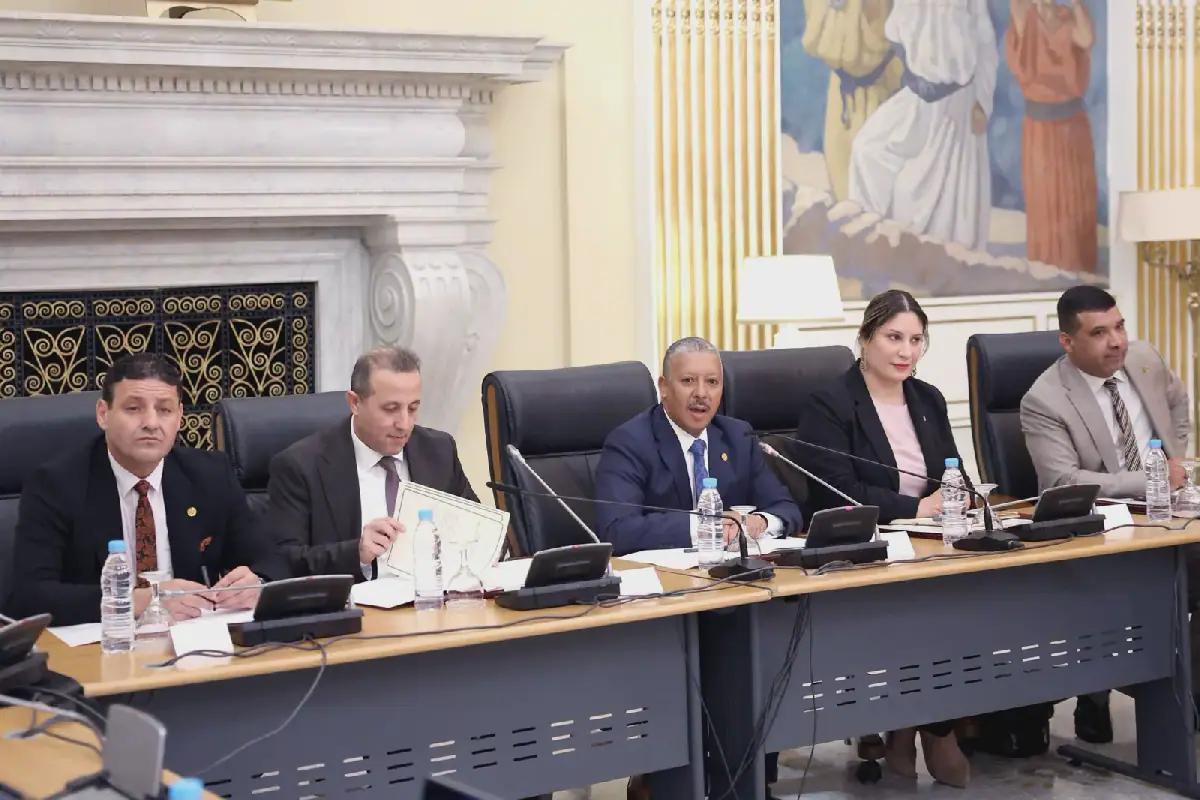
Algerian Finance Minister Mohammed Lamine Lebbou detailed the country's 2027 fiscal and budgetary strategy before the Council of the Nation's economic and financial commission on November 23. He was accompanied by Minister of Relations with the Parliament Nadjiba Djilali. The plan, part of the 2027 Finance Bill (PLF), aims to navigate global economic uncertainties, including geopolitical tensions, persistent inflation, and volatile energy markets.
The 2027 budget is built on cautious assumptions to mitigate external shocks. The government has adopted a budgetary policy aimed at fostering growth without compromising macroeconomic stability. Revenue projections are modest to avoid potential surprises during the fiscal year. This approach is complemented by efforts to diversify income sources, a goal emphasized during the validation of the 2027 budget's main lines last autumn.
The PLF 2027 introduces several operational tools to enhance budget management. Performance indicators will be used to monitor public programs, and a periodic dashboard will track revenue, expenditure, and treasury developments. Additionally, the plan seeks to broaden the tax base without altering tax rates, thereby increasing ordinary resources.
The budget allocations for 2027 prioritize three main objectives: human development, completion of major infrastructure projects, and modernization of the administrative apparatus. Supporting purchasing power, promoting employment, and fostering economic activity are top priorities, alongside the national housing policy, which will receive significant financing.
The education and health sectors will benefit from increased funding. The construction of public facilities in new urban centers and the completion of strategic projects already underway are also part of the plan. Furthermore, accelerating the digitalization of public services is a key component, reflecting the growing trend of electronic payments in the country.
The 2027 Finance Bill is structured around nine legislative axes, focusing on taxation, customs, investment, and the business climate. The bill includes 29 articles on state patrimony management, 21 measures to expand the tax base, and 19 provisions for customs reform. It also covers support for investment and the national economy, fiscal civic-mindedness, and the fight against fraud.
The Algerian government aims to strike a balance between fiscal discipline and incentives. This approach was evident in the strategy for recovering funds from the informal market presented to deputies. The implementation of the 2027 budget plan will be closely monitored to assess its impact on the country's economic growth and social development.
Key points
- The 2027 budget prioritizes human development, infrastructure completion, and administrative modernization.
- The plan aims to broaden the tax base and enhance budget management through performance indicators and a periodic dashboard.
- The budget allocations reflect a balance between supporting purchasing power and promoting economic activity.