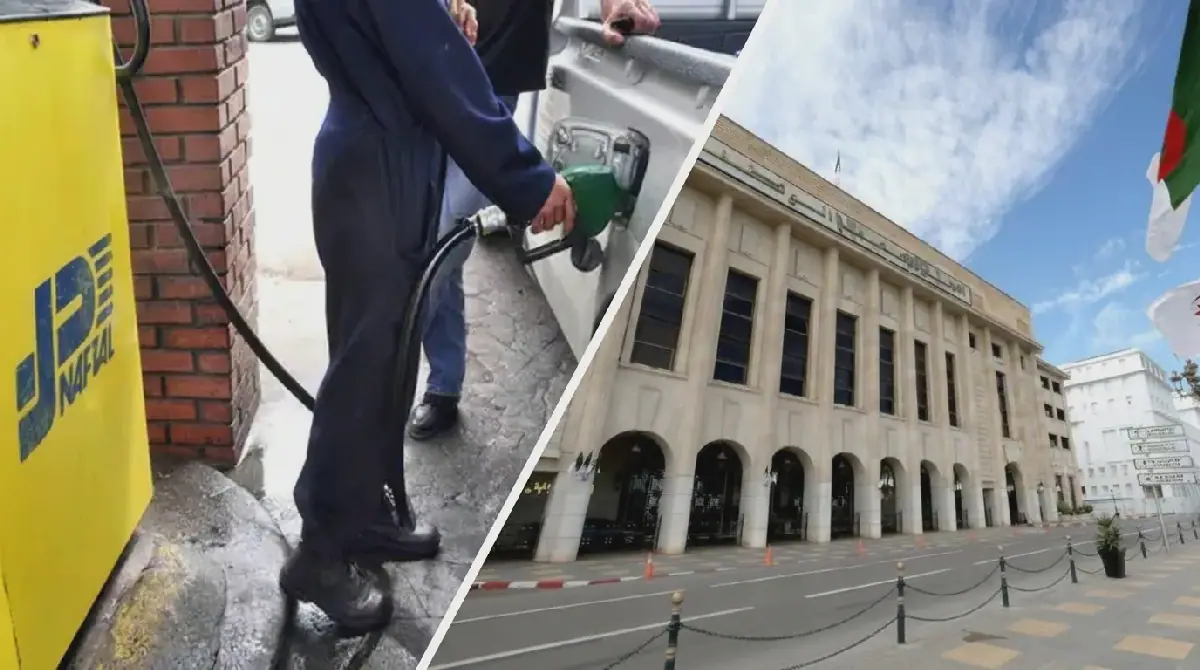
Algeria's finance committee has proposed 26 amendments to the 2027 finance bill, including making fuel price revisions subject to parliamentary approval. The committee, led by Mohamed Fassi, aims to enhance transparency and protect citizens' purchasing power. This move is part of a broader effort to ensure the government's social commitments and align with national constants. The proposed changes also include customs and tax exemptions for Algerians living abroad who wish to return to the country.
The finance committee's proposal involves amending Article 218 of the finance bill to require parliamentary approval for fuel price revisions. This aims to guarantee stability in the refining and distribution sectors while maintaining government support. The committee justifies this move as essential for upholding the state's social role and engaging people's representatives in decisions affecting fuel prices. The proposed article allows for targeted and organized adjustments to fuel prices to ensure the availability of petroleum products nationwide.
The committee has also suggested introducing new articles to the finance bill. Article 169 bis offers a special regime for Algerian citizens living abroad for at least three years who wish to return to Algeria. This regime allows them to import equipment and gear related to their economic or professional activities without undergoing foreign trade and exchange controls or paying customs duties. Another proposed article, Article 227 bis, extends the deadline for building regularization and completion until December 31, 2027.
Economically, the committee emphasizes the need to continue efforts to diversify the national economy and enhance its resilience to international economic fluctuations. This involves maintaining realistic financial and budgetary estimates, given the connection between part of the budget resources and developments in the hydrocarbon markets. The committee also stresses the importance of improving public resource mobilization, particularly non-oil revenues, through enhanced tax collection and combating tax evasion.
The finance committee's proposals are part of a broader strategy to achieve a 4.2% economic growth rate in 2027, 4.1% in 2028, and 4.7% in 2029. The 2027 finance bill projects public expenditures of 17.882 trillion dinars against revenues of 9.251 trillion dinars. The bill assumes a reference price of $60 per barrel of oil, a market price of $70, and a targeted inflation rate of 4%. The bill prioritizes supporting productive investment, diversifying economic activity, and developing non-hydrocarbon sectors.
The proposed measures aim to support food and water security, continue subsidies for essential goods, and implement social housing programs. They also reflect the government's commitment to increasing wages and avoiding taxes that could impact the purchasing power of middle- and low-income households. The finance committee's report highlights the importance of balancing economic and financial equilibrium with social considerations.
The Algerian government's efforts to enhance economic transparency and efficiency in public financial management are ongoing. The finance committee's proposals will be debated in the People's National Assembly, where they may undergo further changes before being adopted. The implementation of these measures will be closely watched by citizens, businesses, and international observers.
Key points
- The Algerian finance committee proposes making fuel price revisions subject to parliamentary approval.
- The committee suggests introducing customs and tax exemptions for Algerians living abroad who wish to return to the country.
- The proposed finance bill projects a 4.2% economic growth rate in 2027 and prioritizes supporting productive investment and social programs.