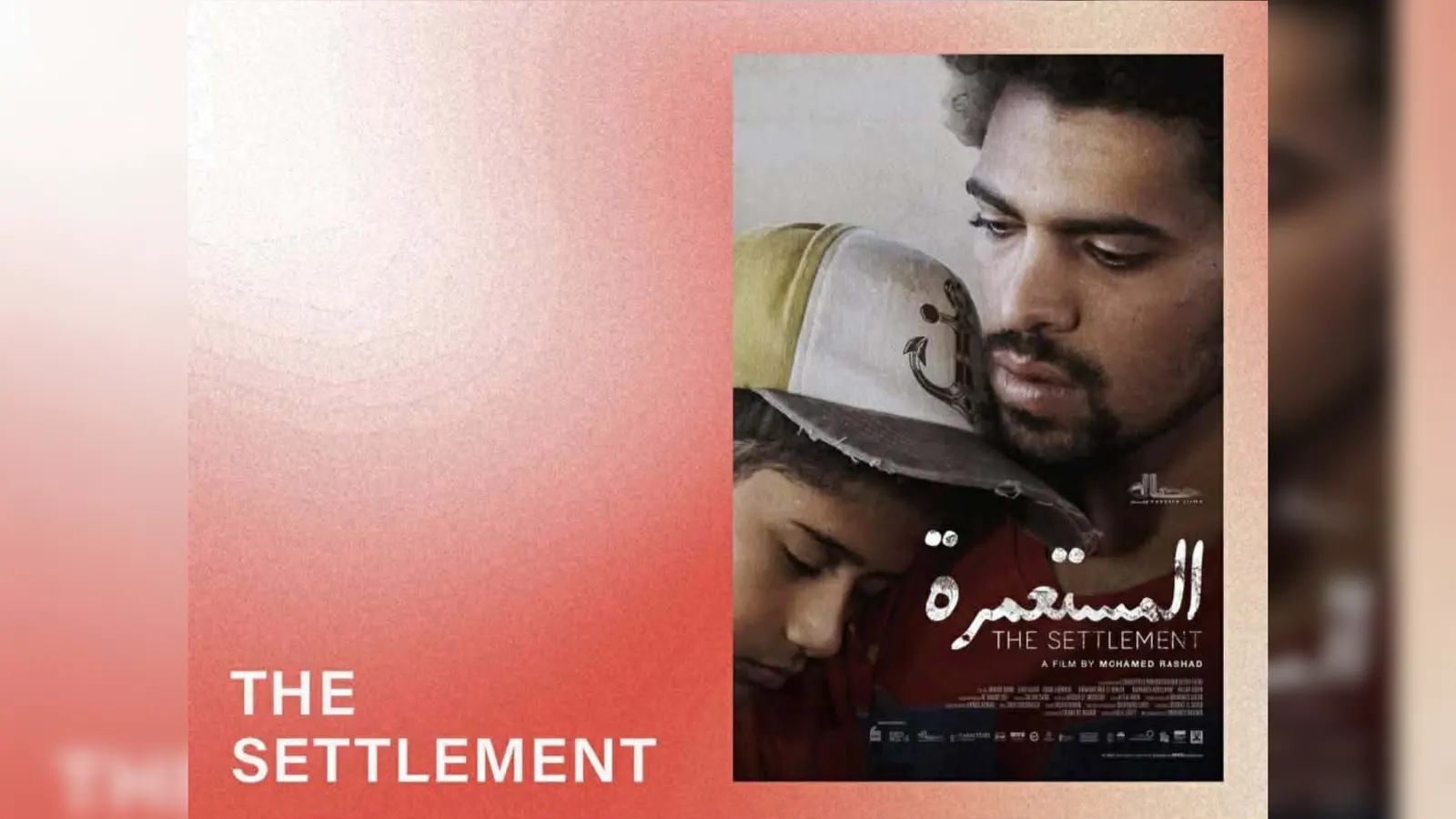
The film "Al-Musta'marah" was screened at the 21st edition of the Béjaïa Cinema Days, an event that brought together film enthusiasts and industry professionals. Directed by Mohamed Rashad, the movie tells the story of a young boy named Marou, who is struggling to come to terms with his family's situation. The film's narrative is woven around Marou's interactions with his family members, particularly his older brother, Hussam, who is forced to work in a factory to support their family.
The film's setting is a rundown neighborhood in Egypt, where the characters live on the fringes of society. The opening scenes depict Marou's daily life, as he navigates his relationships with his family and the harsh realities of his environment. The film's use of vivid imagery and sound design effectively conveys the sense of desperation and struggle that pervades the characters' lives. As the story unfolds, the audience is introduced to Hussam, who is grappling with the loss of his father in a factory accident.
The circumstances surrounding the father's death are shrouded in mystery, and Hussam is left to pick up the pieces and care for his family. The film raises questions about the nature of truth and the complexities of human relationships. Through Hussam's character, the director explores the themes of identity, morality, and the struggle for survival in a society that often seems hostile and unforgiving.
As Hussam navigates his new reality, he finds himself torn between his desire to do what is right and the harsh realities of his environment. The film's portrayal of the factory, where Hussam and other workers toil in difficult conditions, serves as a powerful commentary on the exploitation of the working class. The director's use of symbolism and metaphor adds depth and complexity to the narrative, inviting the audience to reflect on the themes and messages.
One of the key aspects of the film is its exploration of the human condition. Through the characters' experiences, the director sheds light on the struggles faced by many people in similar circumstances. The film's use of non-linear storytelling and multiple narrative threads adds to its complexity and depth. As the story reaches its climax, the audience is left to ponder the fate of the characters and the implications of their struggles.
The film's conclusion is both haunting and thought-provoking, leaving a lasting impression on the viewer. The director's decision to end the film on a note of ambiguity and uncertainty serves to underscore the complexity of the themes and messages. Overall, "Al-Musta'marah" is a powerful and thought-provoking film that offers a nuanced exploration of the human condition.
The film has sparked a lively debate among audiences and critics, with many praising its bold storytelling and nuanced characterization. The director's use of cinematic techniques, such as lighting and camera angles, adds to the film's emotional impact. As a work of Algerian cinema, "Al-Musta'marah" is a significant contribution to the country's rich cultural heritage.
Key points
- The film "Al-Musta'marah" explores the complexities of life on the fringes of society in Algeria.
- The director, Mohamed Rashad, uses vivid imagery and sound design to convey the sense of desperation and struggle that pervades the characters' lives.
- The film raises questions about the nature of truth and the complexities of human relationships.