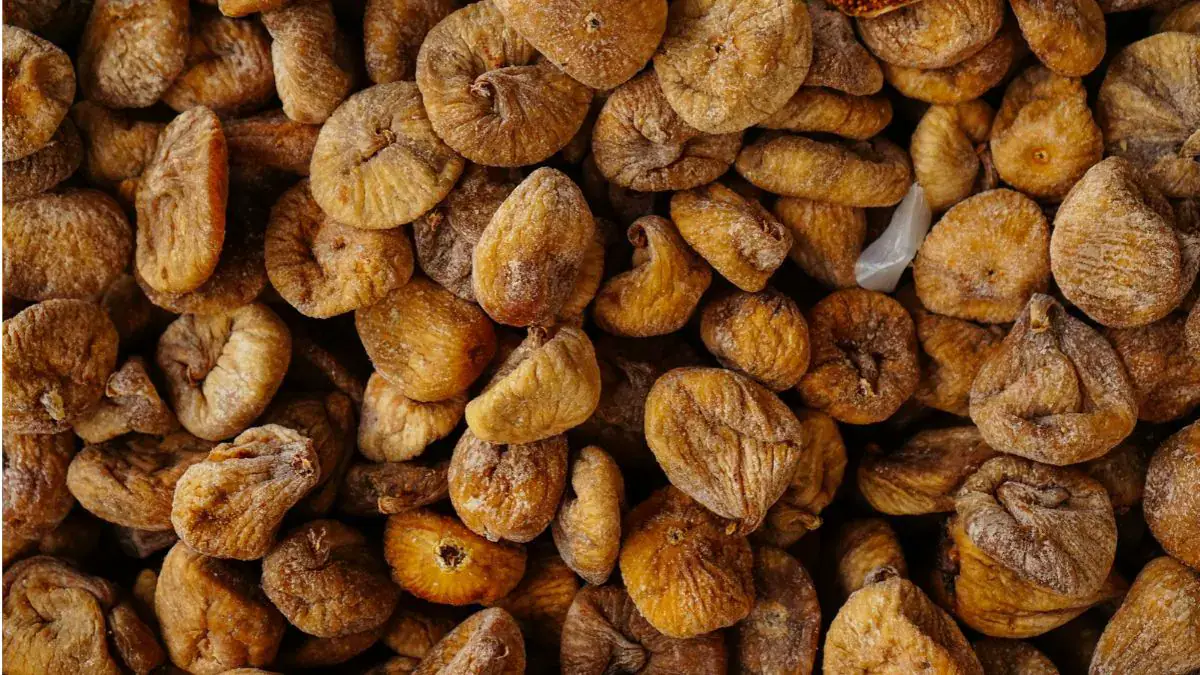
In the Bousselam region of Algeria, a surge in fig tree plantations is underway, fueled by growing demand and high prices for dry figs. The area, known for its high-quality figs, has seen numerous new plantings near the Takintoucht mountain, which towers over the region at 1,600 meters. Local residents have invested heavily in this sector, cultivating previously unused land and transforming it into productive fig orchards.
The popularity of figs in the region has led to a thriving industry, with many residents of Bousselam investing in fig cultivation. The town of Ain Dokar, the main settlement in the commune, is home to numerous fig farmers and traders. Bilel Izri, a local trader and farmer, buys figs from producers at prices ranging from 1,700 to 2,000 Algerian dinars per kilogram, depending on quality. Top-grade figs, known as "toufrinte," fetch up to 2,300 dinars per kilogram.
However, some producers feel that the prices offered by traders are not fair. Yahia Aouchice, a fig farmer and local government official, insists on selling his high-quality "Taâmriwt" figs for 2,300 dinars per kilogram. He explains that the costs of cultivating and harvesting figs are high, including the expense of caprification, which he performs up to four times a season. Aouchice spends around 250,000 dinars on caprification alone, not to mention the cost of hiring a tractor and laborer.
Fig cultivation is a significant source of income for many families in the region. Aouchice notes that the entire family, including women and children, is involved in harvesting and drying figs. He believes that fig cultivation is essential for many families, enabling them to fund construction projects, marry off their children, or purchase vehicles. However, he emphasizes that fig trees require careful attention and generosity, as they will not thrive if neglected.
The region's fig industry faces challenges, including the rise of unscrupulous traders who mix low-quality figs with high-grade produce. Said Mokrane, a young farmer, laments the decline in his fig yields due to inadequate care and caprification. His family's old fig trees produce fewer figs than they once did, and he recognizes that better farming practices are needed to improve yields.
The local fig industry also faces competition from counterfeit products. Halim Bara, a former manager of a company specializing in packaging local products, accuses some traders of mixing figs from other regions with those from Bousselam and selling them at discounted prices. This practice has damaged the reputation of Bousselam's figs, he claims. Bara advocates for investments in modern packaging and drying facilities to improve the quality and competitiveness of Algerian figs.
Prospects for exporting Algerian dry figs are uncertain, according to Bara. He believes that Algerian figs would be too expensive for the European market and could not compete with Turkish figs. To address this challenge, he suggests adopting a large-scale, industrial approach to fig cultivation, similar to that used in olive production. This would involve investing in modern drying and packaging facilities to ensure high-quality products that can compete internationally.
Key points
- Algerian fig farmers in the Bousselam region are benefiting from rising demand and high prices for dry figs.
- The region's fig industry faces challenges, including the rise of unscrupulous traders and competition from counterfeit products.
- To improve competitiveness, industry experts advocate for investments in modern packaging and drying facilities.