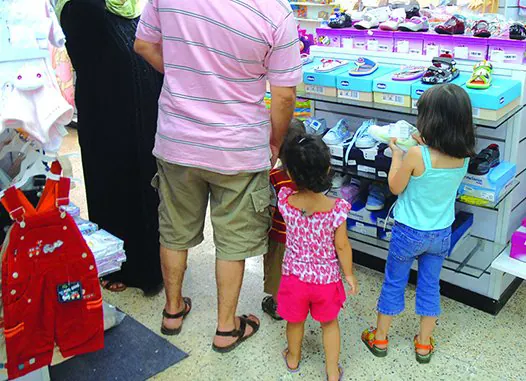
As Eid al-Fitr approaches, Algerian families are facing significant financial strain due to rising costs of essential items. In Tizi-Ouzou, a city in northern Algeria, families are struggling to afford clothing, meat, and other necessities. A father of three, who wished to remain anonymous, said he had started buying clothes for his children early to avoid last-minute rushes, but was shocked by the high prices. "I thought I was being prudent, but children's clothing is too expensive," he said.
The cost of clothing for children is indeed a significant burden for many families. A pair of local children's shoes can cost up to 1,000 Algerian dinars (DA), while imported shoes from Turkey can cost up to 3,000 DA. Jeans and T-shirts are also expensive, with prices ranging from 1,300 to 2,400 DA and 650 to 950 DA, respectively. For a family to dress a 12-year-old child in decent, but not luxurious, clothing, they would need to spend at least 4,000 DA.
The cost of meat is another significant expense for Algerian families during Eid al-Fitr. Traditionally, families buy more meat during this period, but prices have skyrocketed in recent years. A kilogram of meat can cost up to 1,900 DA, while entrecôtes and liver can cost 1,900 DA and 2,800 DA, respectively. The price of imported meat, which was supposed to be sold at 1,100 DA per kilogram, has increased by 350 DA.
The Algerian government had fixed prices for imported meat, but these prices are not being respected. The cost of other essentials, such as fruits and vegetables, is also high. Potatoes are selling for 50 DA per kilogram, while tomatoes and salad are 100 DA and 50 DA, respectively. The prices of fruits are also out of reach for many families, with apples costing 600 DA per kilogram and dates costing 600 DA per kilogram.
The high cost of living is taking a toll on Algerian families, particularly those with modest incomes. A functionary at the APC said he earns a salary just above the minimum wage and struggles to make ends meet, especially during Ramadan and Eid al-Fitr. "I have three children, and I don't know how I will afford the expenses of Eid," he said.
Many families are forced to make difficult choices between spending on essentials or cutting back on non-essential items. Some families have opted to buy smaller quantities of meat or to forego buying certain items altogether. A woman from Tizi-Ouzou said she had given up making traditional Eid cakes at home because the ingredients had become too expensive. "It's just too costly," she said.
As Eid al-Fitr approaches, Algerian families are bracing themselves for further price increases. The cost of living is expected to continue to rise, putting even more pressure on families already struggling to make ends meet. With prices likely to peak on the eve of Eid, many families will be forced to dig deeper into their pockets to celebrate the holiday.
Key points
- Algerian families face significant financial strain due to rising costs of essential items ahead of Eid al-Fitr.
- The cost of clothing, meat, and other essentials has increased significantly, making it difficult for families to afford basic necessities.
- The high cost of living is taking a toll on Algerian families, particularly those with modest incomes.