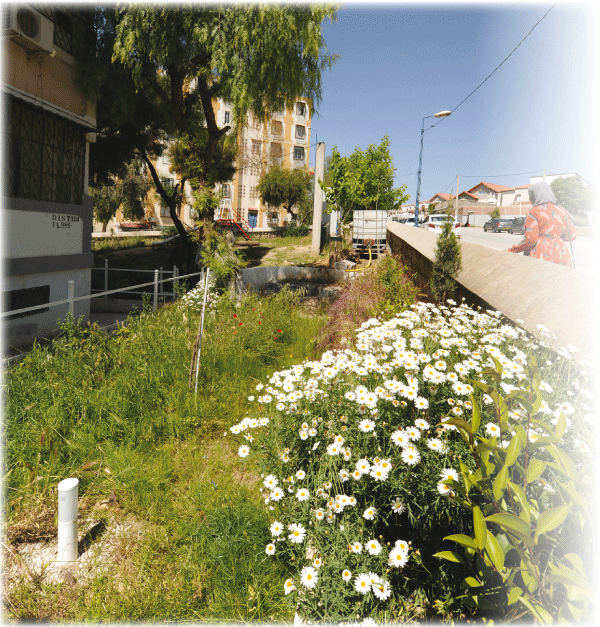
Experts in Algeria are highlighting the crucial role that green spaces play in ensuring a high quality of life in urban areas. They emphasize that green spaces, including trees, parks, and gardens, are essential infrastructure for cities, providing numerous environmental, health, social, and psychological benefits. The lack of green spaces can exacerbate environmental issues such as rising temperatures, urban heat islands, and flooding, while also negatively impacting mental health and overall well-being.
Professor Saifi Merdas, an ecologist and environmental expert, notes that green spaces are vital for maintaining ecological balance and mitigating the urban heat island effect. He explains that the absence of green spaces can lead to increased temperatures, decreased air quality, and heightened risks of pollution and flooding. Moreover, Professor Merdas stresses that green spaces are not just aesthetically pleasing but also provide essential services such as carbon sequestration, air purification, and noise reduction.
The benefits of green spaces extend beyond environmental concerns, with experts highlighting their positive impact on mental health and social interactions. Professor Hazem Hamani, a psychologist, notes that exposure to green spaces can reduce stress levels, improve mood, and promote a sense of well-being. He emphasizes that green spaces provide a peaceful escape from the pressures of urban life, allowing individuals to relax and recharge.
Green spaces also play a critical role in promoting social interactions and community cohesion. Dr. Leila Mesum, a clinical psychologist, notes that parks and gardens serve as community hubs, fostering social connections and a sense of belonging among residents. The absence of green spaces can lead to reduced opportunities for social interaction, potentially exacerbating feelings of isolation and loneliness.
Experts are urging urban planners to prioritize the integration of green spaces into urban development plans. Professor Merdas advocates for the preservation and creation of green spaces, emphasizing that they are essential infrastructure for sustainable urban development. He also recommends the use of native plant species and careful consideration of the environmental and social impacts of urban planning decisions.
The importance of green spaces is not limited to urban areas, with experts highlighting their role in promoting environmental awareness and education. Professor Hamani suggests that incorporating green spaces into educational institutions can enhance students' academic performance, while also promoting environmental awareness and appreciation.
In conclusion, Algerian experts are emphasizing the critical importance of green spaces for maintaining a high quality of life in urban areas. They are urging urban planners, policymakers, and residents to prioritize the creation and preservation of green spaces, recognizing their numerous environmental, social, and psychological benefits. By working together, Algerians can create healthier, more sustainable, and more livable cities for future generations.
Key points
- Green spaces are essential infrastructure for cities, providing numerous environmental, health, social, and psychological benefits.
- The lack of green spaces can exacerbate environmental issues, negatively impact mental health, and reduce social interactions.
- Urban planners must prioritize the integration of green spaces into urban development plans to create healthier, more sustainable cities.