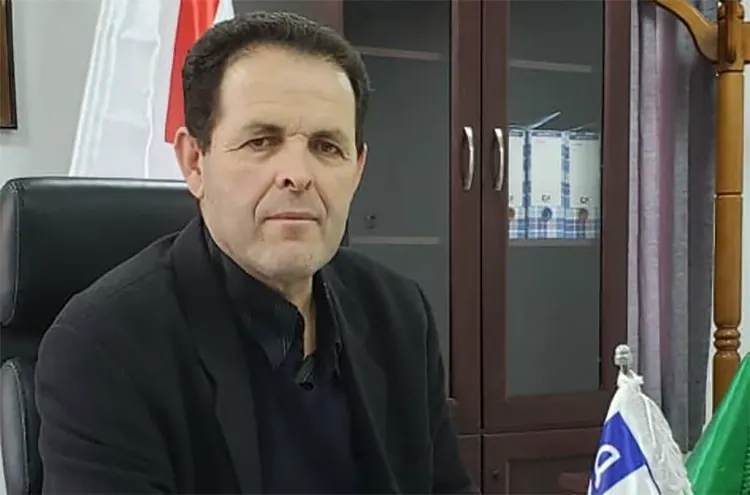
The President-Director General of ENIEM, Djilali Mouazer, has revealed that the Algerian electromenager firm is facing significant financial difficulties. In an exclusive interview with La Dépêche de Kabylie, Mouazer detailed the challenges hindering the company's operations and growth. He attributed the problems to poor management in the past, which led to a decline in market share and revenue. As a result, ENIEM is struggling to secure necessary funding to maintain production levels.
ENIEM recently obtained an emergency fund of 1.1 billion dinars from the Banque Extérieure d'Algérie (BEA). However, Mouazer stated that this amount is insufficient to sustain production for more than two months. The company has requested an additional 700 million dinars to ensure at least four months of activity. The BEA has asked ENIEM to submit a formal request, which was done on the evening of the same day. Mouazer emphasized that the bank's financing mechanism, which involves authorizing credits rather than providing liquid funds, can lead to delays and increased costs.
The company's financial struggles are partly attributed to its reliance on foreign suppliers, primarily from Europe, Asia, and the Middle East. Mouazer explained that European suppliers are more willing to offer credit, while others require payment within 60 days. However, changes to the documentary credit law have extended the payment deadline to 170 days, resulting in higher commission costs for ENIEM. These additional expenses contribute to the increased prices of their products.
Mouazer identified poor management and a lack of commercial strategy as key factors contributing to ENIEM's decline. The company's market share plummeted from 60% during its monopoly era to 8-10% after the market opened to private competitors. He noted that his arrival at the helm of ENIEM in July 2018 marked the beginning of efforts to revamp the company's strategy and distribution network. The company has since opened its tenth showroom and aims to expand to all wilayas by the end of the year.
Contrary to the notion that ENIEM's products sell well but fail to generate profits, Mouazer argued that sales have actually declined significantly. He attributed this decline to the absence of a commercial strategy and the mass retirements of skilled employees in 2016, which resulted in substantial financial losses. Furthermore, the company's development program was poorly conceived and executed, leading to additional financial setbacks.
ENIEM's failed partnership with Italian firm Appliance Engineering (AE) resulted in significant financial losses. The 400 million dinar investment in modernizing refrigerator production yielded no returns due to AE's flawed design. Mouazer emphasized that the company's current challenges are a direct result of past mismanagement and the need for a comprehensive overhaul.
Despite these challenges, ENIEM is exploring new opportunities, including a strategic partnership with Cevital. Mouazer expressed optimism about the company's prospects, both domestically and internationally. The company aims to boost its exports and strengthen its presence in the global market. Key to this effort is addressing the current funding shortfall and implementing a robust strategy to drive growth and sustainability.
Key points
- ENIEM requires additional funding to maintain production levels
- Poor management and lack of commercial strategy contributed to ENIEM's decline
- The company is exploring new opportunities, including a strategic partnership with Cevital