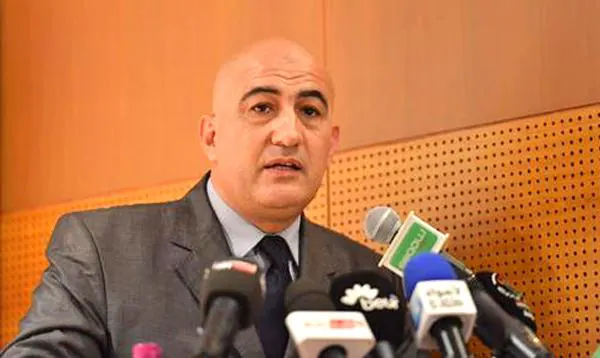
The Algerian High Commission for Amazighity (HCA) is advocating for the mandatory teaching of the Tamazight language in schools. According to HCA secretary-general Si El-Hachemi Assad, the current optional nature of Tamazight language teaching is a major obstacle that needs to be addressed. He emphasized the urgent need to amend the 2008 national education orientation law to reflect the constitutional status of Tamazight as a national and official language.
Assad made these remarks during a preparatory meeting for the Training Forum of Tamazight teachers in Algiers. He stressed that the law should be adapted to the 2016 Constitution, which elevated Tamazight to the status of national and official language. The HCA believes that making Tamazight teaching mandatory is essential to ensure its promotion and development in the education system. This move is seen as crucial to give Tamazight its rightful place in Algerian education.
The teaching of Tamazight has been part of the Algerian education system since 1995, following a nationwide strike initiated by the Berber Cultural Movement (MCB). However, despite progress made since then, Assad noted that there are still significant challenges to overcome. He cited the lack of suitable textbooks and the absence of a unified authority to decide on the alphabet to be used for transcribing Tamazight as some of the key issues.
According to Assad, considerable progress has been made in the teaching of Tamazight, particularly since 2014. He highlighted that the language is currently taught in 44 wilayas, although not all schools offer it. The wilayas of Tizi-Ouzou, Béjaïa, Bouira, and Boumerdès have been identified as pilot regions where Tamazight teaching has been more successful. However, Assad emphasized that more needs to be done to achieve the goal of generalizing Tamazight teaching nationwide.
The HCA secretary-general suggested that a concerted effort between his commission and the Ministry of National Education is necessary to address the challenges facing Tamazight teaching. He proposed developing a plan to prepare for the gradual generalization of Tamazight teaching to all 27,000 schools in Algeria. This goal is seen as imperative to give meaning to the constitutional status of Tamazight as a national and official language.
Assad emphasized that making Tamazight teaching mandatory is a responsibility that falls to the state institutions, particularly the Ministry of Education and the HCA. He called for a collective effort to ensure the promotion and development of Tamazight in the education system. The HCA believes that this move will help to consolidate the progress made so far and ensure the long-term viability of Tamazight teaching.
The push to make Tamazight teaching mandatory comes as Algeria seeks to implement its constitutional commitments to promoting and protecting the Tamazight language and culture. With a growing recognition of the importance of Tamazight, efforts are underway to strengthen its place in the education system and promote its use in public life. The outcome of these efforts will be closely watched by stakeholders and Tamazight speakers across Algeria.
Key points
- Algerian authorities are urged to make Tamazight language teaching mandatory in schools to ensure its promotion and development.
- The current optional nature of Tamazight teaching is seen as a major obstacle to its development.
- The HCA proposes a concerted effort with the Ministry of National Education to address the challenges facing Tamazight teaching.