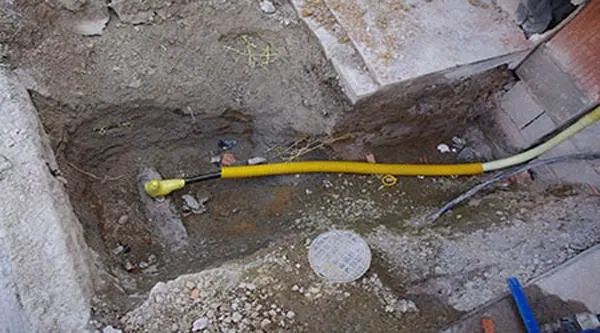
The local authorities in Béjaïa, Algeria, are making concerted efforts to rectify the region's lagging behind in terms of natural gas connections. Regular working sessions are being held within the wilaya, bringing together all parties involved in the gas projects. These meetings aim to address the challenges hindering the progress of these projects and ensure that deadlines are met. The latest meeting took place on Thursday, with the participation of executives from companies responsible for implementing the natural gas connection projects.
The head of the executive, Ahmed Maâbed, emphasized the need to revive stalled projects and adhere to the allotted timelines during these meetings. The communication officer for the wilaya reported that the recent gathering allowed for the resolution of issues raised by company heads, in the presence of daïra chiefs and executive directors. This move is expected to help alleviate the problems faced by numerous entrepreneurs who have been impacted by the non-payment of their invoices, leading to work stoppages on several construction sites.
The delayed completion of these projects has not only caused frustration among entrepreneurs but also affected the local population, who have been waiting for access to natural gas for years. During a previous meeting, electricity and gas company heads in Béjaïa painted a grim picture of the situation, highlighting the worrying state of companies responsible for implementing connection and transportation projects. They expressed concerns about the survival of these enterprises, citing delayed payments, penalties, and unpaid deposits as major obstacles.
The companies responsible for providing natural gas to households are struggling due to outstanding issues, including delayed payments, penalties imposed by the contracting authority, and unpaid deposits. As a result, these companies lack the resources to procure materials and pay employee salaries, leading to construction site shutdowns. The wilaya has decided to take proactive measures to address these challenges and restart stalled projects. According to the wali of Béjaïa, the delays are not caused by a lack of financing, and companies that have signed the terms of reference must adhere to them.
The wali of Béjaïa, Ahmed Maâbed, plans to conduct inspection visits to construction sites in the coming days to assess the progress of the work. He warned that companies responsible for delays will face penalties, emphasizing that he cannot allow citizens to continue suffering. The local authorities are under pressure to deliver on their promises, and the success of these projects will depend on their ability to overcome the existing hurdles.
The situation has been exacerbated by the fact that some companies have already gone out of business, while others are on the verge of collapse. Entrepreneurs are being forced to sell their equipment and take on debt to pay employee salaries, highlighting the gravity of the situation. The authorities' efforts to address these challenges and find a solution to the financial struggles of these companies will be crucial in determining the outcome of these projects.
The Béjaïa wilaya's proactive approach to resolving the issues plaguing the natural gas connection projects is a step in the right direction. With the authorities taking a firm stance on the matter, it is hoped that the projects will be back on track soon, providing much-needed relief to the local population and entrepreneurs who have been affected by the delays. The success of these projects will depend on the effective implementation of the measures being put in place to address the existing challenges.
Key points
- Algerian authorities are working to overcome delays in connecting Béjaïa to the natural gas network.
- The delays have been caused by issues including non-payment of invoices and penalties imposed on companies.
- The authorities have warned that companies responsible for delays will face penalties.