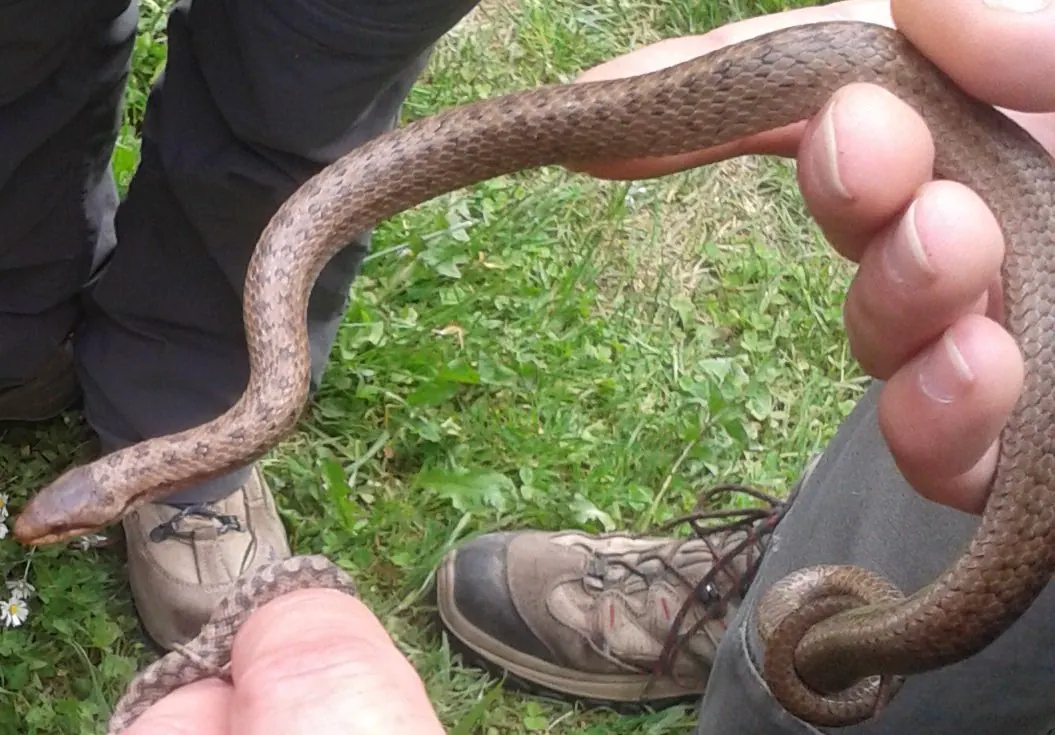
The Algerian region of Tizi Ouzou is grappling with widespread panic and misinformation following a series of snake sightings in local olive groves. A young woman died in early December after being bitten by a snake while working in her family's olive grove in the commune of Makouda. Since then, residents have been on edge, with many expressing fears about the presence of venomous snakes in the area.
Despite assurances from the local agricultural services, health authorities, and reptile experts, the population of Tizi Ouzou has succumbed to mass hysteria. Many residents believe that the snakes are a result of a "plot" or have been transported to the region through sand imports from the Sahara. However, experts say that the phenomenon is natural and linked to climate change.
Fadhila Akli, a representative of the Direction des Services Agricoles (DSA), has sought to reassure the public, stating that the appearance of snakes in olive groves is a natural occurrence. She attributes the phenomenon to changing climatic conditions and temperature fluctuations, which have prevented snakes from hibernating. Akli advises olive farmers to take simple precautions, such as clearing their fields before harvesting, to prevent snakes from inhabiting the area.
Agronomist Kahina D. from the University of Mouloud Mammeri in Tizi Ouzou attributes the proliferation of snakes to favorable climatic conditions, specifically the warm spring season. She notes that the snakes are not yet in hibernation due to persistent heat and that the phenomenon is not unusual. However, she criticizes residents for abandoning their fields and only returning during harvest season, which contributes to the problem.
Experts have sought to dispel myths about the presence of venomous snakes in the region. According to Kahina D., there is only one species of viper in Kabylie, which is small and rare. The majority of snakes found in the area are harmless, and she identifies six species of non-venomous snakes. A team of reptile specialists has been searching for the snake that killed the young woman in Makouda but has yet to find it.
The team of specialists, who claim to have knowledge of reptiles, has been searching for the snake in the area where the fatal incident occurred. They have expressed frustration at not being able to find the snake, despite mobilizing several people to search the area. The specialist notes that Kabylie is not home to venomous snakes like vipers, which are typically found in regions with high temperatures.
The incident has highlighted the need for accurate information and education on snake behavior and safety. Authorities have been criticized for not doing enough to reassure the public and provide accurate information. The situation remains tense, with residents continuing to express concerns about the presence of snakes in their olive groves.
Key points
- The Algerian authorities have reassured the public that the snake infestation in Tizi Ouzou is a natural phenomenon linked to climate change.
- Experts have dispelled myths about the presence of venomous snakes in the region, stating that most snakes found in Kabylie are harmless.
- The incident has highlighted the need for accurate information and education on snake behavior and safety.