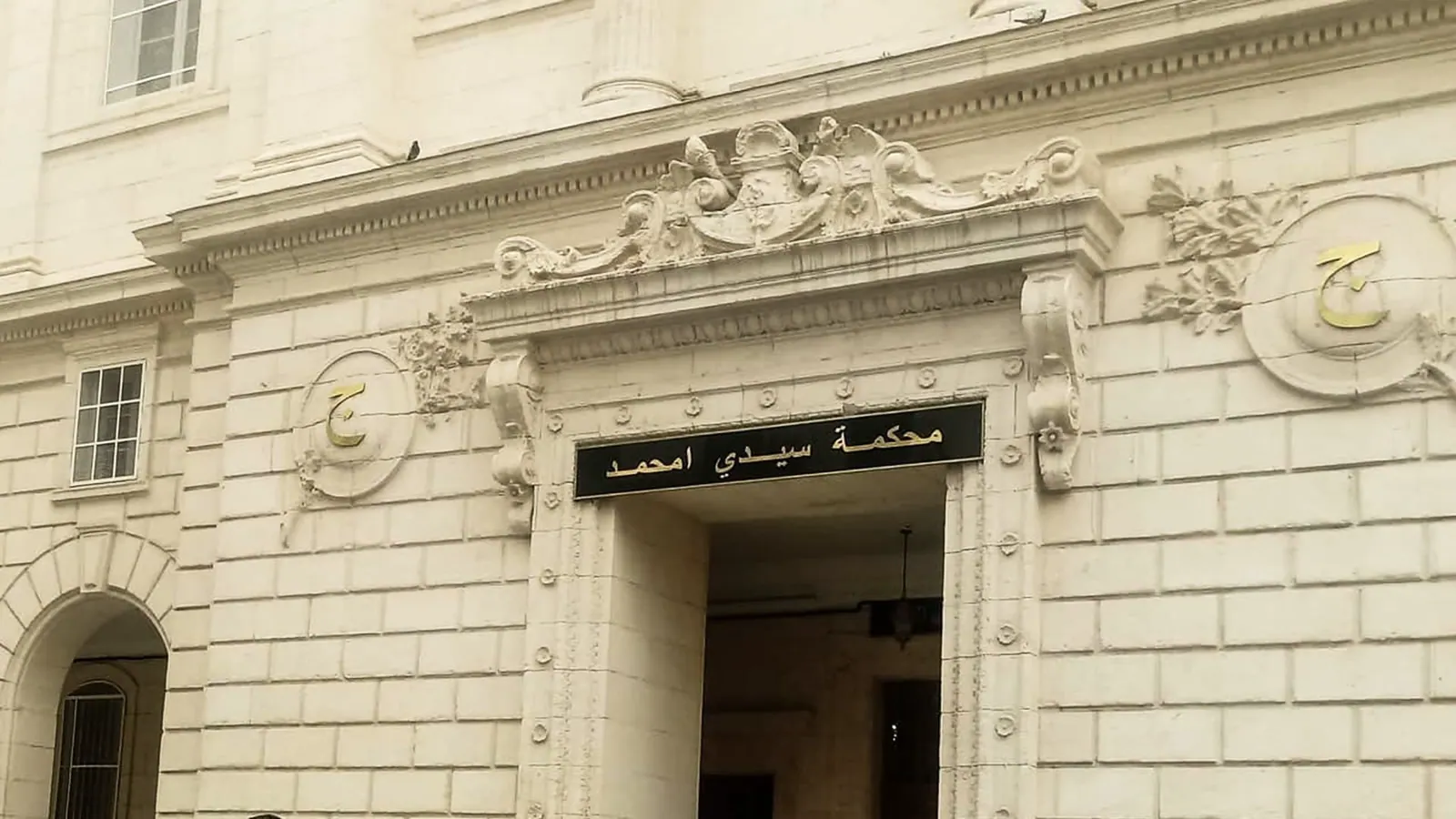
Algerian authorities have taken a significant step in their crackdown on tax evasion and fake invoices, with prosecutors seeking harsh penalties for 32 individuals and companies involved in a massive scheme. The case, which involves importation of clothing, fake invoices, tax evasion, and money laundering, has led to the requisition of 10 years in prison and a fine of 10 million Algerian dinars for the main suspect.
The case, which was announced in September, involves 33 accused individuals who appeared in court via video conference from prisons in Blida, Saïda, and Ouargla. The prosecutor's office has requested penalties ranging from 3 to 10 years in prison and fines of between 1 and 10 million dinars for the other 31 defendants. The companies involved are also facing significant sanctions, including a fine of 50 million dinars, confiscation of all real estate and movable assets, and freezing of bank accounts.
According to the investigation, the scheme involved the use of fake invoices to evade taxes. The accused allegedly imported clothing from China and Turkey and then sold it using fake invoices, which allowed them to avoid paying taxes on the actual value of the goods. The investigation also revealed that some of the accused had used the same commercial register multiple times, with one register being used 50 times.
The prosecutor's office has also discovered that many of the commercial transactions involved in the scheme were fictitious. The accused allegedly used the commercial registers of third parties to sell textiles and then laundered the money by buying real estate. Several of the accused have also been found to have significant tax arrears, while others have no tax existence.
The defendants have rejected the charges against them, with their lawyers arguing that the public prosecution was initiated without a prior complaint, which they consider a necessary condition for tax fraud cases. However, the president of the court has decided to consider this issue along with the merits of the case.
During the trial, several defendants have denied any wrongdoing, with one defendant claiming that he had never visited the company's headquarters and had no bank account. Another defendant claimed that he had declared his turnover and provided a complete list of his clients to the tax authorities. However, the judge expressed skepticism about these claims, pointing out that one defendant had received large sums of money without explanation.
The Treasury has also requested 3000 billion Algerian dinars in compensation for the losses incurred due to the tax evasion scheme. The case highlights the Algerian authorities' efforts to crack down on tax evasion and corruption, and the significant penalties sought reflect the seriousness of the offenses committed.
Key points
- The Algerian authorities are seeking harsh penalties for tax evasion and fake invoices.
- The case involves 32 individuals and companies.
- The Treasury is seeking 3000 billion Algerian dinars in compensation.