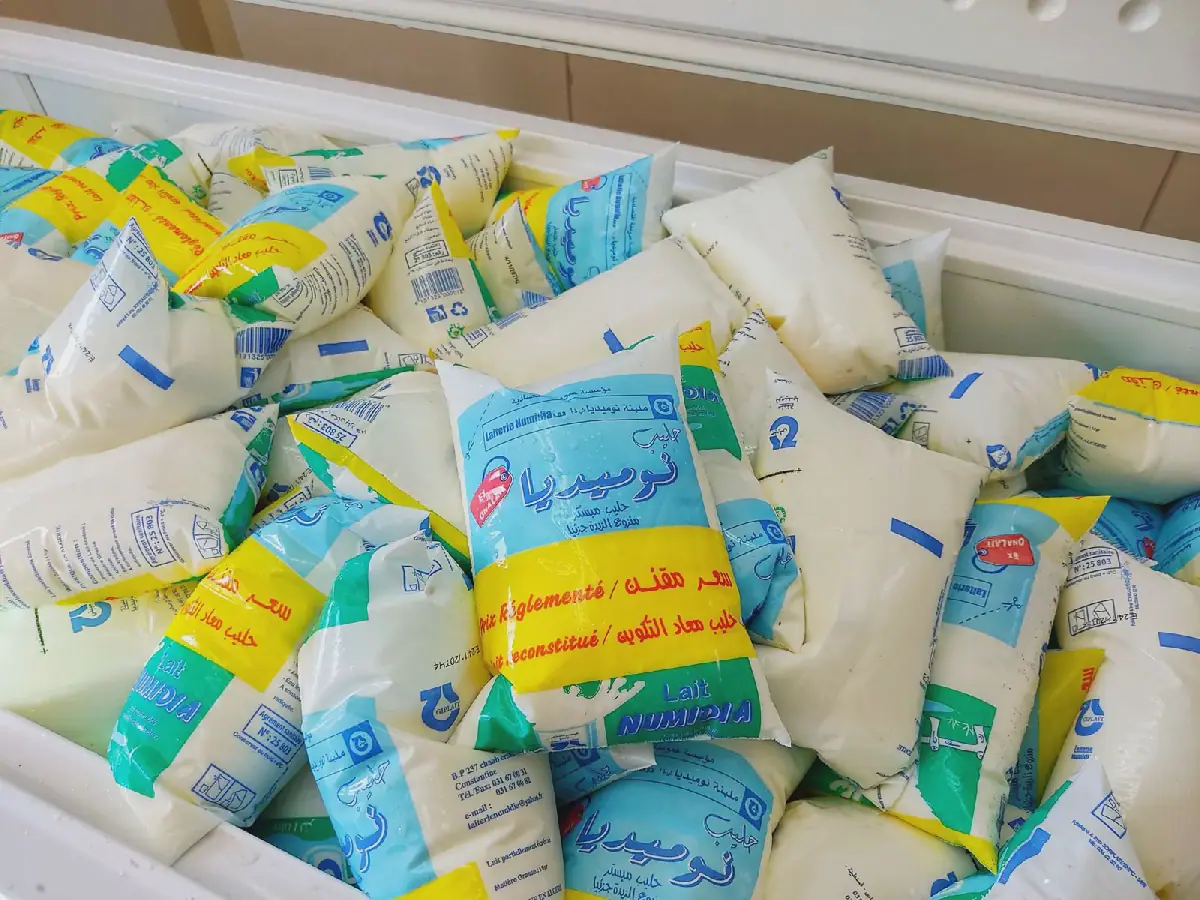
Algerian authorities have taken a strong stance against speculation and corruption in the country's dairy sector, with prosecutors seeking severe penalties for those involved. On November 3, the prosecutor's office at El Harrach court requested 12-year prison sentences and fines of five million Algerian dinars (approximately $38,000) for each of the accused individuals. The defendants were charged with manipulating the subsidized milk market, diverting the product from its intended purpose, and engaging in illicit transactions.
The case centers around the diversion of subsidized milk, which is a staple product in Algeria, into the production of higher-value dairy products such as cheese and ice cream. Prosecutors argue that this diversion not only undermines the government's efforts to provide affordable food to citizens but also creates artificial shortages and drives up costs. The accused individuals allegedly exploited loopholes in the distribution system, using unauthorized channels to sell the subsidized milk to manufacturers of dairy products.
The charges brought against the defendants include spéculation illicite, or illicit speculation, which carries severe penalties under Algerian law. Additionally, the prosecution has highlighted the defendants' failure to comply with hygiene and safety regulations, including the transportation of perishable goods in unrefrigerated vehicles and the operation of unlicensed facilities. These charges reflect the government's growing concern over food safety and security in the country.
The case has been characterized as an example of organized economic crime, with the agent judiciaire du Trésor describing the defendants' actions as "graves," or serious. The prosecution argues that the diversion of subsidized milk not only harms the economy but also undermines social stability. The government's efforts to provide affordable food to citizens are being undermined by the actions of these individuals, who are accused of prioritizing profits over the needs of the population.
The Algerian government has been working to address issues of corruption and speculation in the economy, with a particular focus on the food sector. In recent years, the country has experienced shortages and price increases for staple products, including milk and dairy products. The government's efforts to provide subsidies and support to farmers and consumers have been undermined by corrupt practices and speculation.
The verdict in this case is expected to send a strong message to operators in the economy, particularly those involved in the food sector. The prosecution's requests for severe penalties reflect the government's determination to crack down on corruption and speculation. If the court follows the prosecution's recommendations, it would mark a significant step in the government's efforts to address these issues.
The case is part of a broader trend in Algeria, where the judiciary has been cracking down on economic crimes. In recent months, several high-profile cases have resulted in severe penalties for those involved in corruption and speculation. The government's efforts to address these issues are seen as crucial to maintaining social and economic stability in the country.
Key points
- Algerian prosecutors seek 12-year prison sentences and hefty fines for individuals accused of diverting subsidized milk.
- The case highlights the government's growing concern over food safety and security in Algeria.
- The verdict is expected to send a strong message to operators in the economy, particularly those involved in the food sector.