In response to the recent popular uprising demanding a change in the political system and the establishment of a rule of law, Algerian authorities have taken swift action. The public prosecutor's office near the Algiers Court announced that preliminary investigations have been launched into cases of corruption and illicit capital transfers abroad. This move aims to tackle financial malpractices that have long plagued the country.
The investigations, conducted under Article 11 of the penal code, focus on uncovering the extent of corruption and capital flight. Authorities have confirmed that certain individuals have been banned from leaving the country as a precautionary measure. This ban, issued under Article 36 bis 1 of the penal code, is intended to prevent suspects from fleeing the country and to facilitate the investigation process.
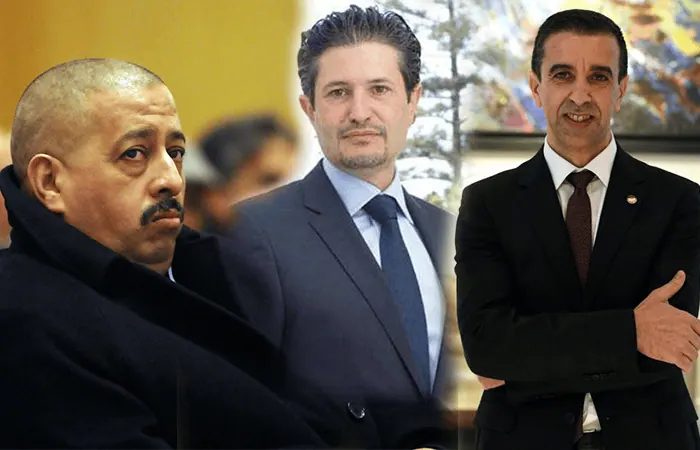
A list of businessmen affected by the travel ban has been published, although the authorities have not provided detailed explanations for the ban on each individual. The list includes prominent figures such as Reda Kouninef, Abdelkader Karim Kouninef, Ali Haddad, Omar Haddad, Mahieddine Tahkout, Rachid Tahkout, Nacer Tahkout, Billel Tahkout, Mohamed Bairi, Mohamed Ould Youcef, and Ibrahim Boudia.
Recent events have highlighted the scope of the issue. The arrest of Ali Haddad, former president of the Algerian Forum for Economic Development and Social Council (FCE), at the Algerian-Tunisian border, and the prevention of businessman Mahieddine Tahkout and his wife from boarding a flight at Algiers airport have drawn significant attention. These incidents demonstrate the authorities' determination to tackle corruption and financial crimes.
In a related development, the Algerian aviation authority has banned private planes from flying in the country. This decision, communicated to all airports on Sunday morning, affects both Algerian-registered and foreign-registered private aircraft. The ban means that no private plane can take off from or land at Algerian airports, either domestically or internationally.
The measures taken by the Algerian authorities reflect a broader effort to address systemic corruption and ensure accountability. By targeting high-profile individuals and imposing strict controls on capital movement, the government aims to restore public trust and promote economic transparency. The outcome of these investigations and the effectiveness of these measures remain to be seen.
The Algerian public prosecutor's office has assured that the investigations will be conducted fairly and impartially. The authorities have urged citizens to cooperate and provide information that may help uncover corruption and illicit financial activities. As the situation unfolds, it is clear that the fight against corruption and capital flight will be a key aspect of Algeria's path towards reform and good governance.
Key points
- Algerian authorities launch investigations into corruption and illicit capital transfers, imposing travel bans on several businessmen.
- The investigations target high-profile individuals and aim to prevent capital flight.
- The authorities have also banned private planes from flying in the country as part of the crackdown.