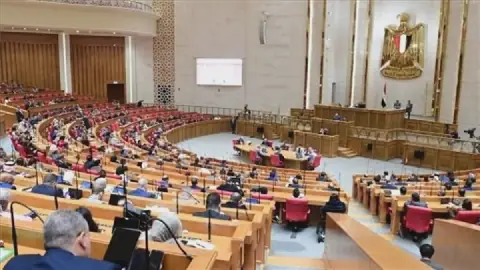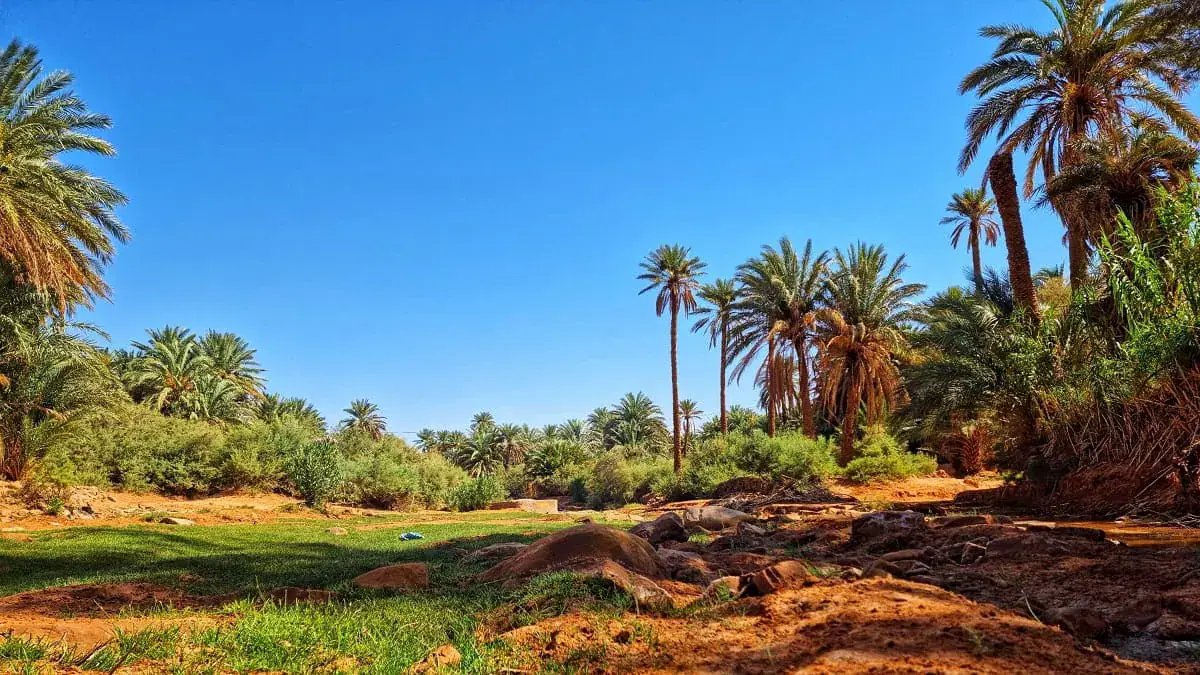
The Algerian government is facing a water crisis in the Biskra region, a vital agricultural hub in the country's south. A deputy from Biskra, Abderrahmane Noui, has warned that the over-extraction of groundwater for agriculture could lead to the depletion of the region's water resources. According to Noui, the region's low rainfall, averaging 150-200 mm per year, has led farmers to rely heavily on groundwater. This has resulted in a significant decline in the water table, threatening the region's agricultural production.
Noui, a researcher in hydraulics and hydrology, has conducted a study on the region's water resources using 107 geophysical operations and comparing old and current data from wells. His findings indicate a significant decline in the water table, particularly in the eastern and western parts of Biskra. The study reveals that the water table has dropped by around 5% per year in some areas, with a substantial cumulative decline over the past few decades. This has severe implications for the region's agricultural sector, which relies heavily on groundwater.
The consequences of inaction are dire, according to Noui. He warns that if the situation persists, the region will no longer be able to produce crops such as Deglet Nour dates, tomatoes, and vegetables within a decade. To mitigate this crisis, Noui proposes a proactive approach to water management, including investing in surface and groundwater resources, and using modern technologies and scientific studies to monitor and manage water resources. This approach would enable the government to anticipate and respond to water shortages before they become critical.
The Algerian Minister of Hydraulics, Lounès Bouzegza, has acknowledged the gravity of the situation, stating that the country's water resources are under threat due to climate change and low rainfall. He revealed that the water table in Biskra has dropped by over 100 meters in recent years, and emphasized the need for a proactive approach to water management. Bouzegza has announced measures to extend the network of water monitoring stations, including those tracking groundwater levels, river flows, and precipitation.
Bouzegza has also emphasized the importance of using modern technologies, including artificial intelligence, to improve water management. He stressed that a coordinated approach between experts, universities, and government agencies is necessary to make informed decisions about water resource management. The minister's comments suggest that the government is taking the water crisis in Biskra seriously and is willing to adopt a more proactive approach to addressing the issue.
The water crisis in Biskra has significant implications for Algeria's food security, as the region is a major producer of agricultural products. The government's response to the crisis will be crucial in determining the long-term sustainability of the region's agricultural sector. According to Noui, the crisis requires a comprehensive and coordinated approach that takes into account the complex relationships between water resources, agriculture, and climate change.
The Algerian government faces a pressing challenge in addressing the water crisis in Biskra and other regions. With the country's population projected to continue growing, the demand for water resources is likely to increase, putting further pressure on already strained resources. The government's ability to manage water resources effectively will be critical in ensuring the long-term sustainability of Algeria's agricultural sector and the country's overall food security.
Key points
- Algerian lawmakers warn of water crisis in Biskra region due to over-extraction of groundwater for agriculture.
- Government proposes proactive approach to water management, including investment in modern technologies and scientific studies.
- Water crisis in Biskra has significant implications for Algeria's food security and agricultural sector.