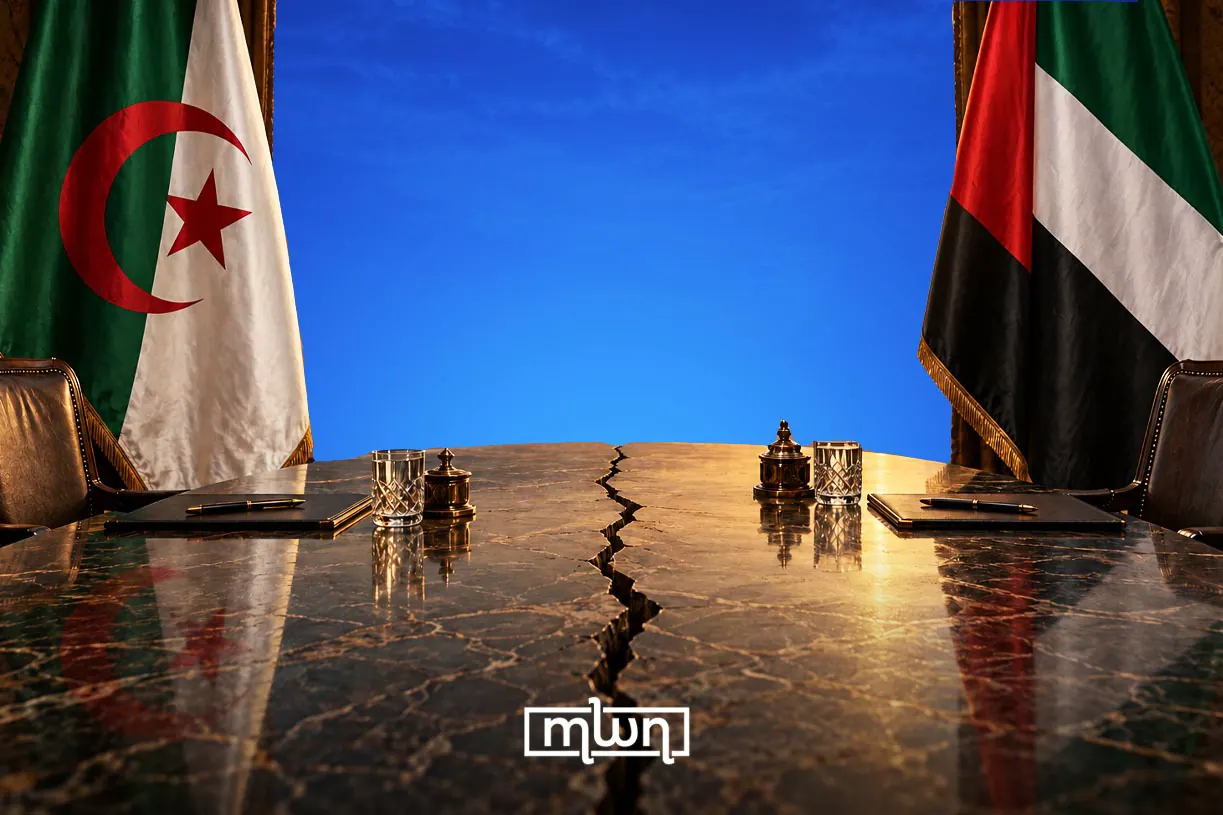
Algeria's decision to sever diplomatic relations with the United Arab Emirates has created a new fault line in the Middle East and North Africa. The move, announced on September 10, follows years of simmering tensions and recent allegations accusing Abu Dhabi of provocative and hostile actions against Algeria. This development has significant implications for several sensitive issues in the region, including Western Sahara, Israel, influence in Africa and the Sahel, Gulf competition, Iran, and new regional security arrangements.
Algeria and the UAE have divergent strategic perspectives, with Algeria championing sovereignty, non-intervention, and strategic independence. Algiers opposes normalization with Israel and supports the separatist Polisario Front in Western Sahara, while the UAE has normalized relations with Israel, built strong ties with Morocco, and expanded its presence in Africa. These differences have become more pronounced in a more competitive regional landscape.
The Western Sahara conflict is closely tied to the historical rivalry between Morocco and Algeria. Algeria has been the diplomatic and political patron of the Polisario Front for decades, while the UAE has aligned itself with Morocco. Morocco has gained significant diplomatic backing for its autonomy plan, including the passage of UN Security Council Resolution 2797 in October 2025, which brought the diplomatic process closer to negotiations in line with Morocco's autonomy proposal.
Morocco has made significant progress on the Western Sahara file over the past decade, with several countries withdrawing or freezing recognition of the Sahrawi Arab Democratic Republic. Mali recently withdrew its recognition, Colombia froze relations with the SADR, and Honduras suspended its recognition of the Polisario Front's self-styled state. This diplomatic momentum is a result of Rabat's long-term efforts in cultivating diplomacy, trade, security cooperation, and international partnerships.
Algeria is still a significant African country with substantial energy resources, a strong military, and notable influence in the African Union. However, it has had to swallow a succession of diplomatic results on Western Sahara that are more favorable to Rabat. Frustration may have contributed to Algeria's recent decisions, but the UAE-Algeria rupture cannot be limited to Morocco, as it reflects broader differences between Algiers and Abu Dhabi.
The predicament of other Muslim countries, such as Pakistan, illustrates the complexity of these competing claims. Pakistan has good relations with Morocco and no desire to harm them, while maintaining vital links with Algeria and no strategic interest in alienating Algiers. This issue is now occurring in other places, including Saudi Arabia and the UAE, which remain close partners but have growing divergent interests.
The Mecca Joint Defence Agreement between Pakistan, Saudi Arabia, and Türkiye is a significant development in this context. The pact includes a collective-defence clause, which means that an armed attack against one member is considered an attack against all. This agreement has already become relevant amid renewed Houthi-Saudi tension and reflects the efforts of countries to navigate the complexities of the region.
Key points
- Algeria's decision to sever diplomatic ties with the UAE reflects broader differences between Algiers and Abu Dhabi on several sensitive regional issues.
- The Western Sahara conflict is closely tied to the historical rivalry between Morocco and Algeria, with Morocco gaining significant diplomatic backing for its autonomy plan.
- The Mecca Joint Defence Agreement between Pakistan, Saudi Arabia, and Türkiye is a significant development in the region, reflecting efforts to navigate the complexities of the Middle East and North Africa.