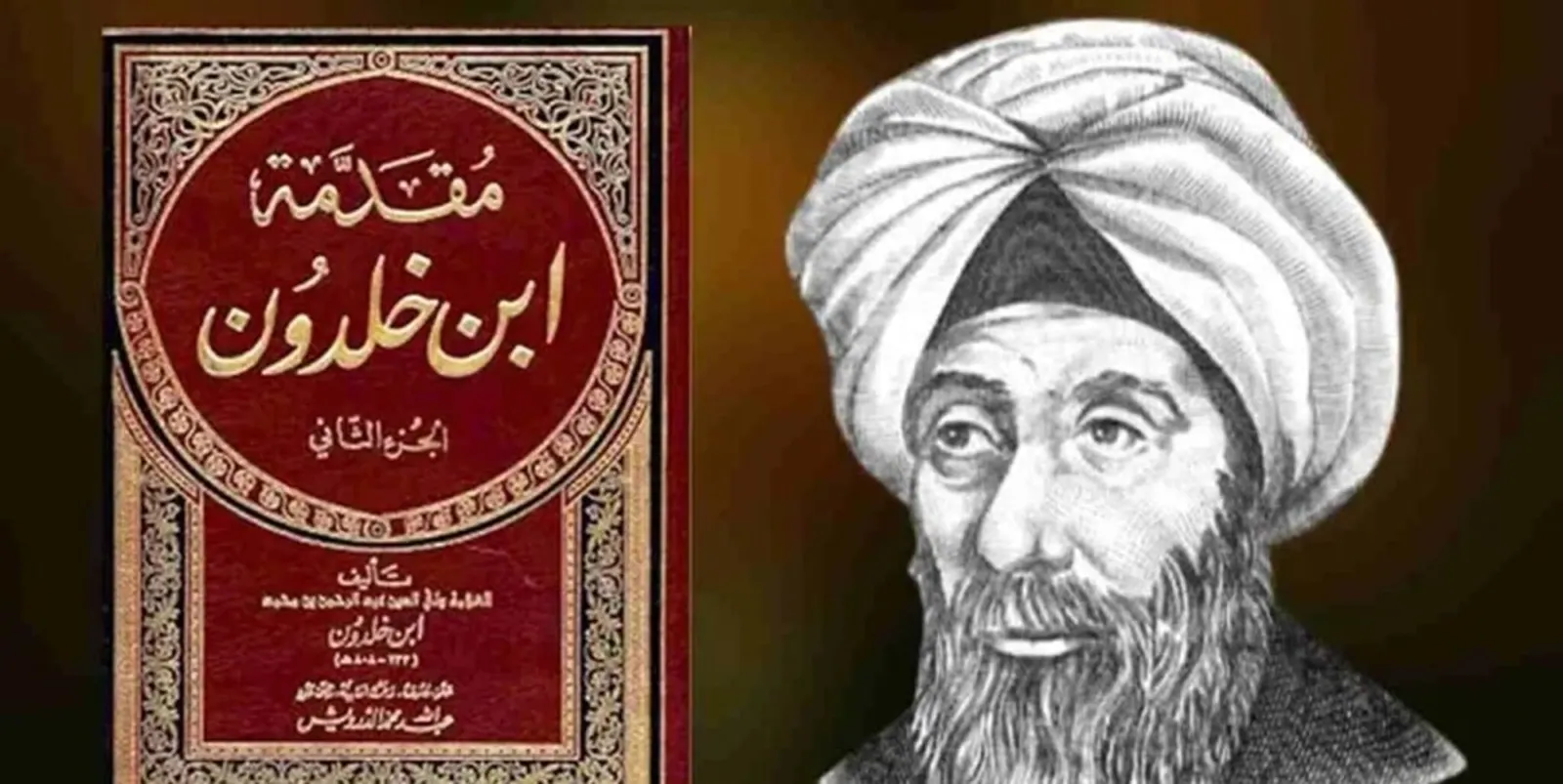
In a collaborative effort, Algeria, Tunisia, Egypt, and Turkey have jointly nominated Ibn Khaldoun's 14th-century manuscript, the Muqaddima, to UNESCO's Memory of the World Register. This initiative, coordinated by the Tunisian delegation to UNESCO, aims to acknowledge the manuscript's historical and scientific significance. The Muqaddima is considered a foundational text of sociology and social analysis, offering insights into power cycles, urbanization, and social cohesion that continue to influence contemporary research.
The joint nomination was submitted for the 2026-2027 cycle of the Memory of the World Register, a UNESCO program dedicated to preserving documentary heritage, including manuscripts, archives, and rare printed materials. The four countries emphasize the manuscript's exceptional value, which has been a subject of interest for scholars across the globe. This collaborative approach stands out against the backdrop of historical disputes over cultural heritage in the Maghreb region.
The Muqaddima, written by Abderrahmane Ibn Khaldoun, has been a subject of interest for its profound analysis of societal structures and historical patterns. The manuscript's significance extends beyond its historical context, as its themes continue to resonate with modern sociological and anthropological studies. By uniting in support of the nomination, the four countries acknowledge the shared cultural heritage of the region.
Algeria's involvement in the nomination is particularly significant, given the country's connection to Ibn Khaldoun's work. The region of Tiaret, specifically Frenda, is where Ibn Khaldoun retreated to write the Muqaddima, and a cave bearing his name remains a site of memory and pilgrimage for scholars and visitors. This geographical link underpins Algeria's contribution to the nomination, which goes beyond diplomatic solidarity.
The nomination dossier is currently under evaluation by UNESCO's expert committees, who will assess the manuscript's authenticity, rarity, and global significance. The outcome of this evaluation will be announced during UNESCO's Executive Council in the spring of 2027. Until then, the Tunisian delegation will ensure regular follow-up with the institution, in close coordination with the relevant parties and establishments in the four countries.
This joint nomination reflects a broader effort to preserve and promote cultural heritage in the region. In recent years, Algeria has taken steps to protect its cultural patrimony, including the successful retrieval of a 17th-century manuscript that was put up for auction in Paris. The country's commitment to safeguarding its cultural legacy is evident in its support for the Muqaddima's nomination.
The recognition of the Muqaddima by UNESCO would not only acknowledge its cultural significance but also highlight the importance of preserving documentary heritage. The manuscript's inscription on the Memory of the World Register would serve as a testament to the enduring legacy of Ibn Khaldoun's work and its continued relevance in modern times.
Key points
- The joint nomination of the Muqaddima to UNESCO's Memory of the World Register underscores the shared cultural heritage of Algeria, Tunisia, Egypt, and Turkey.
- The manuscript's significance extends beyond its historical context, influencing contemporary sociological and anthropological studies.
- The recognition of the Muqaddima by UNESCO would acknowledge its cultural significance and highlight the importance of preserving documentary heritage.