Algeria has made significant progress in recovering seized assets as part of its anti-corruption efforts, with plans to transform them into drivers of national industrial development. According to Prime Minister Aïmene Benabderrahmane, the government aims to support productive investment, enhance local production capabilities, and increase national integration. The strategy involves reviving several industrial projects across various provinces, with a focus on developing local production chains and boosting national industry.
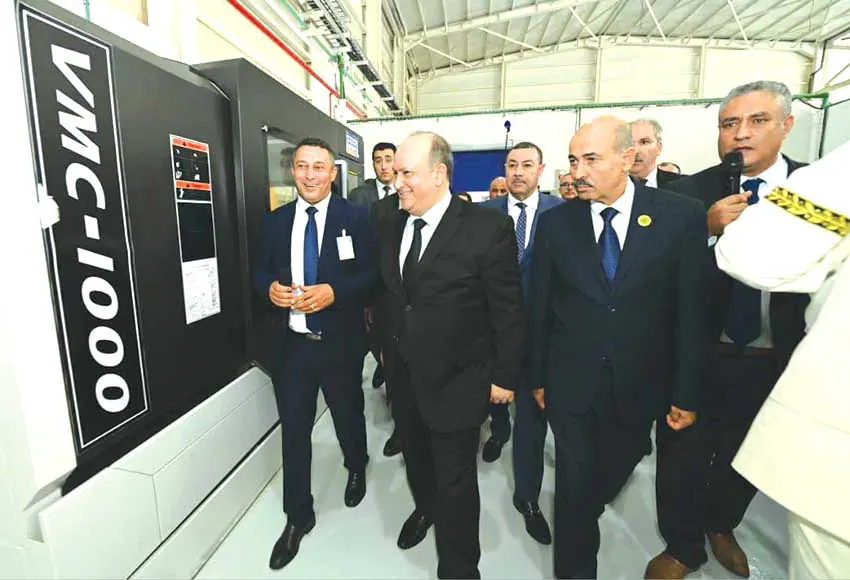
The Prime Minister's visit to the Tissemsilt province, where he inaugurated the "General Plastics Injection" unit, highlighted the government's commitment to promoting national industry. The unit, which produces plastic components and accessories for cars, is a key part of this strategy. With a production capacity that will help reduce reliance on imports, the unit is expected to create 300 direct jobs and 500 indirect jobs, contributing to the region's economic and social development.
Benabderrahmane announced a set of measures aimed at promoting the use of locally produced goods and increasing integration in the manufacturing sector, particularly in the automotive industry. He set a deadline of December 31 for importing plastic parts that can be produced locally, after which all authorized dealers in Algeria will be required to use locally produced components. This move is part of a broader effort to support national industry and promote economic growth.
The Prime Minister emphasized that building a national economy is a collective responsibility that requires the participation of all stakeholders. He stressed that continuing to import plastic parts that can be produced locally is unacceptable and urged all parties to work together to promote national industry. To ensure the successful implementation of these measures, the government will establish clear and strict conditions for the industry.
Benabderrahmane revealed that Algeria has started building a genuine automotive industry with high added value, which will serve the national economy and create jobs. The Tissemsilt factory, which cost 5 billion Algerian dinars to build, is just the beginning of a broader effort to develop the national industry. The Prime Minister praised the efforts of workers, engineers, and other stakeholders who contributed to the rapid revival of the factory.
The government plans to apply similar measures to other sectors, including the automotive industry in Batna province. The goal is to increase local production, reduce reliance on imports, and promote national industry. To achieve this, the government will work with all stakeholders to develop a clear and comprehensive strategy that supports the growth of national industry.
President Abdelmadjid Tebboune has emphasized the importance of supporting national industry and promoting economic growth. The government's efforts to revive seized projects and boost local production are part of a broader strategy to promote economic development and reduce reliance on imports. With a focus on developing local production chains and increasing national integration, Algeria aims to create a strong and sustainable economy.
Key points
- Algeria aims to reduce reliance on imports by promoting local production and boosting national industry.
- The government has set a deadline of December 31 for importing plastic parts that can be produced locally.
- The Tissemsilt factory is expected to create 300 direct jobs and 500 indirect jobs, contributing to the region's economic and social development.