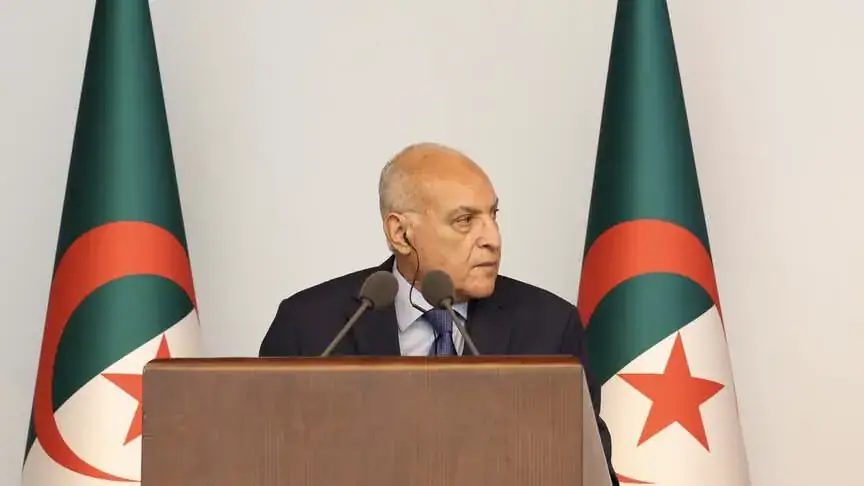
In a recent statement, Algerian Foreign Minister Ahmed Attaf issued a threat to the Maghreb region, suggesting that stability in the area is contingent upon the realization of the Polisario Front's objectives. This stance has sparked concerns, as it implies that Algeria is willing to compromise the security of its neighboring countries in pursuit of its own interests. Attaf's comments have been perceived as an attempt to exert pressure on the region, with Algeria seeking to dictate the terms of stability and security.
The Algerian government's position on the Western Sahara conflict has long been a source of tension in the region. By supporting the Polisario Front, a separatist group seeking independence from Morocco, Algeria has contributed to the protracted dispute. Attaf's recent statement appears to be an escalation of this stance, with the minister suggesting that Algeria will not hesitate to export terrorism from the Sahel region to the Maghreb if its demands are not met.
The threat posed by Algeria's stance is compounded by the current security landscape in the Sahel region. The area has become a hotbed of terrorist activity, with various extremist groups operating with relative impunity. If Algeria were to facilitate the transfer of these terrorist networks to the Maghreb region, it would pose a significant threat to regional stability and security.
Morocco has long maintained that the Western Sahara conflict should be resolved through a negotiated settlement, with the autonomy initiative under Moroccan sovereignty serving as a viable solution. The international community, including the United Nations, has endorsed this approach, with the most recent UN Security Council resolution (2797) reaffirming the autonomy initiative as the sole basis for a peaceful resolution to the conflict.
Algeria's actions have been criticized for undermining regional stability and security. By supporting the Polisario Front and now threatening to export terrorism to the Maghreb, Algeria appears to be pursuing a policy of blackmail. This approach has been met with skepticism, with many questioning the country's commitment to regional stability and security.
The international community has expressed concerns over Algeria's stance, with many urging restraint and a return to diplomatic efforts to resolve the Western Sahara conflict. The situation remains volatile, with the threat of terrorism and instability hanging over the region. As tensions continue to escalate, it remains to be seen how the situation will unfold.
The ongoing tensions between Algeria and Morocco have significant implications for regional stability and security. With the threat of terrorism and instability escalating, it is essential that the international community works to address the root causes of the conflict and promote a peaceful resolution. The autonomy initiative under Moroccan sovereignty remains a viable solution, and it is crucial that all parties work towards a negotiated settlement.
Key points
- Algeria's threat to export terrorism from the Sahel region to the Maghreb poses a significant threat to regional stability and security.
Reporting sources
- الجزائر تشهر ورقة الإرهاب.. عطاف يلوح بنقل فوضى الساحل الى المنطقة المغاربية · Al Ahdath Al Maghribia